








The Mums' Magazine · Morocco
Real answers to mums' questions
Clear, well-sourced articles for family life in Morocco: baby names, sbou3 and celebrations, play and learning.
274 articles · 12 sections

Our sections
 FertilityWanting a baby, ovulation, tests, IVF: understand and act at the right time.14 articles
 PregnancyFrom the first signs to the third trimester, month by month.52 articles
 BirthEpidural, C-section, prematurity, first checks: prepare with confidence.14 articles
 After the birthYour body, your relationship, your mood: the months after baby arrives.37 articles
 BreastfeedingGetting started, keeping going, pumping, weaning: practical answers.17 articles
 Bottles and mealsBottles, weaning, adapted Moroccan recipes: feeding baby with confidence.21 articles
 SleepNights, naps, safe sleep: helping baby (and you) sleep better.17 articles
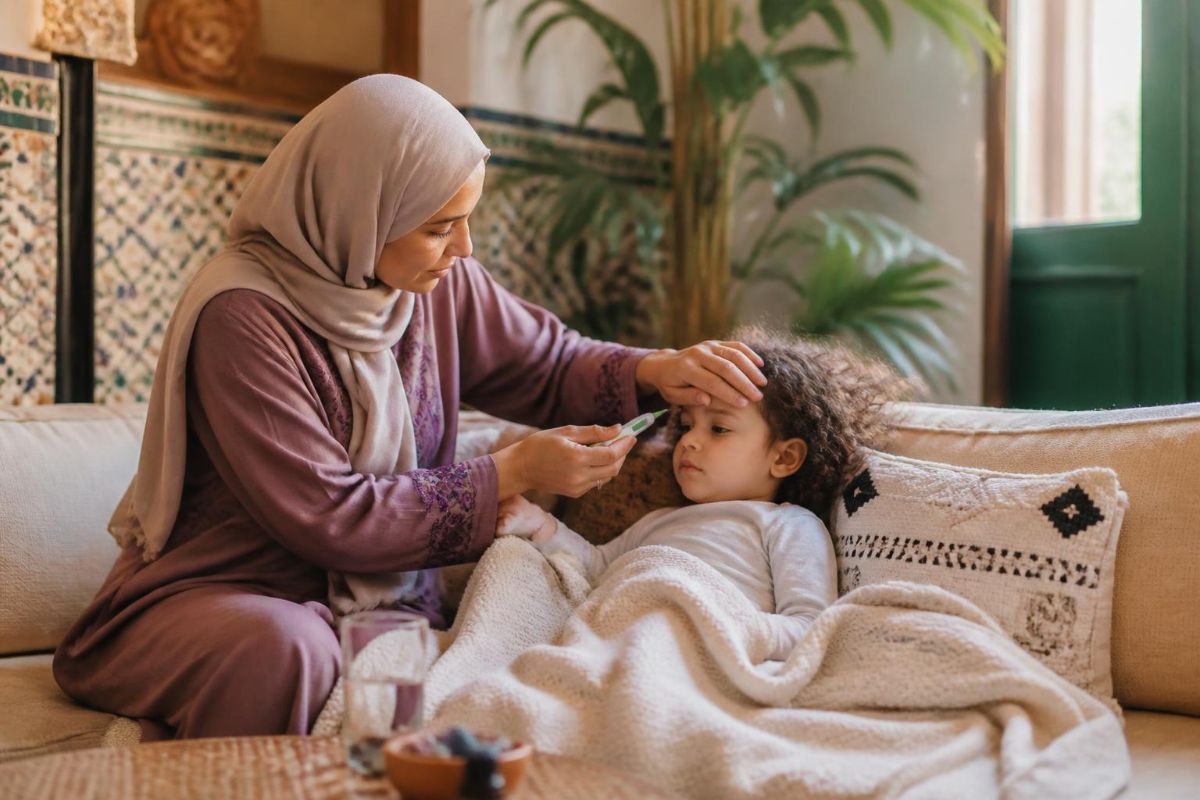 Health and careFever, cough, sore throat, falls, stings: what to do and when to see a doctor.59 articles
 DevelopmentMonth by month, then year by year: your child's milestones up to age 6.28 articles
 Play and learningGames, Montessori, positive parenting, screens, Arabic: growing at their own pace.17 articles
 Baby namesArabic, Amazigh, Moroccan, Turkish and unisex names: find your baby's name.10 articles
 Celebrations and traditionsSbou3, baby shower, Ashura, Eid, birthdays: celebrate safely.12 articles
Fertility
Wanting a baby, ovulation, tests, IVF: understand and act at the right time.
- FertilityFemale Fertility and Age: What Really Changes at 30, 35 and 40
Female fertility declines gradually with age, more clearly after 35. With regular intercourse, about 86% of women aged 30 to 34 conceive within a year, and 82% between 35 and 39. At 40, fertility is roughly half what it was in the late twenties. After 35, see a doctor after 6 months of trying.
6 min read - FertilityHow Long Does It Take to Get Pregnant? The Normal Wait, and What Really Helps
Getting pregnant often takes several months, even when all is well. With regular intercourse, every 2 to 3 days, more than 8 couples in 10 conceive within a year when the woman is under 40, and about half of the others the following year. See a doctor after 12 months of trying, or after 6 months from 35.
6 min read - FertilityComing Off the Pill: How Soon Can You Get Pregnant?
You can get pregnant as soon as you stop the pill: there is no need to wait. On average, fertility is back to its usual level within 2 to 3 cycles after the pill, the coil or the implant. The injection is the exception: it can take several months, sometimes up to a year. How long you used the method does not matter.
5 min read - FertilityPreparing for Pregnancy: the Pre-Conception Check-Up and Tests
Preparing for pregnancy means seeing a doctor or midwife before you stop contraception. The visit checks your blood group and immunity to rubella and toxoplasmosis, updates vaccines, reviews current medicines and starts folic acid, taken from the moment you decide to try and until 12 weeks of amenorrhoea.
6 min read - FertilityIrregular Cycle: How to Know When You Ovulate, and When to See a Doctor
A cycle is considered irregular when the gap between periods falls under 21 days, goes beyond 35 days, or varies a lot from month to month. Common causes are PCOS, the thyroid, weight, stress or breastfeeding. Sex every 2 to 3 days covers ovulation without guessing it. If you are trying to conceive, see a doctor.
5 min read - FertilityFoods and Fertility: What Is Proven and What Is Not
No single food makes you fertile. Studies link a Mediterranean-style diet, folic acid and a healthy weight to better chances, and trans fats, processed meat and sugary drinks to poorer ones. Smoking and alcohol weigh more than the menu. Supplements are taken on medical advice, for her as for him.
6 min read
Pregnancy
From the first signs to the third trimester, month by month.
- PregnancyWhich Vitamins Should You Take During Pregnancy? A Trimester-by-Trimester Guide
A varied diet provides most of what you need, but folic acid is recommended for everyone, before conception and until 12 weeks. The WHO also advises iron and folic acid for all pregnant women; the NHS advises iron only if a blood test justifies it, and 10 µg of vitamin D a day. In Morocco, follow your doctor's advice.
8 min read - PregnancyFolic Acid (Vitamin B9): When to Start, How Much and Until When?
Health authorities (WHO, HAS, NHS) recommend 400 µg of folic acid a day as soon as you start trying for a baby, ideally a month before conception, and until 12 weeks of pregnancy. A higher dose is only taken on prescription, in certain cases. Ask your doctor or pharmacist for advice.
8 min read - PregnancyEarly Pregnancy Symptoms: The First Signs, and When to Take a Test
Early pregnancy symptoms usually appear 4 to 6 weeks after the first day of your last period, around the time it is late: tender breasts, deep tiredness, nausea, needing to pee more often. None is reliable on its own, because many look like premenstrual signs. Only a test, from the first day of a missed period, confirms pregnancy.
7 min read - PregnancyPregnancy Test: When to Take It, How to Read It, Where to Buy It in Morocco
A urine pregnancy test is reliable from the first day of a missed period or, failing that, 21 days after unprotected sex. Ideally use your first urine of the morning and read the result within the stated time. A positive is almost always right; a negative may simply be too early: repeat the test a few days later.
7 min read - PregnancyHow Many Weeks Pregnant Am I? Weeks, Months and Due Date Explained
Doctors count pregnancy in weeks from the first day of your last period, called "SA" (weeks of amenorrhoea) in Morocco and France. Weeks counted from conception are about two weeks fewer. The due date is set at 40 weeks in the UK, Canada and the US, and at 41 weeks in France. The first-trimester scan then refines the date.
7 min read - PregnancyPregnancy Week by Week: The Key Stages, Trimester by Trimester
A pregnancy lasts about 40 weeks counted from your last period. In the first trimester, up to 14-15 weeks, the organs form and the embryo reaches about 6 cm. In the second, up to 28 weeks, the bump grows and first movements are felt around 18-20 weeks. In the third, baby mainly gains weight: just over 3 kg at birth.
6 min read
Birth
Epidural, C-section, prematurity, first checks: prepare with confidence.
- BirthSigns of Labour: Contractions, Waters Breaking, When to Leave
Real labour shows as regular contractions that grow longer, stronger and closer together and do not ease with rest. With a first baby, you usually leave when they come about every 5 minutes for an hour. Waters breaking, bleeding, less movement or constant pain: call or go without waiting.
7 min read - BirthEpidural in Labour: How It Works, How It Feels, Real Risks and Myths
An epidural is a local anaesthetic placed in the lower back by an anaesthetist. It relieves contraction pain within 10 to 30 minutes, without putting you to sleep or harming the baby. It can slightly lengthen pushing, does not increase the risk of caesarean and does not cause lasting back pain.
7 min read - BirthCaesarean Section: What Happens, Recovery and Scar Care
A caesarean delivers the baby through an incision in the abdomen and uterus, most often under a spinal or epidural anaesthetic: the mother stays awake. The baby is born within 5 to 10 minutes, the operation lasts 40 to 50 minutes and skin-to-skin remains possible. Allow about six weeks before lifting heavy things or resuming sport.
7 min read - BirthNatural Birth: The Stages, From Dilation to Delivery
A natural, or vaginal, birth has three stages: the cervix opens to 10 cm, you push until baby is born, then the placenta is delivered. With a first baby, dilation lasts about 8 hours on average and descent and pushing up to 3 hours. Two hours of monitoring follow, with baby skin to skin.
6 min read - BirthEpisiotomy and Perineal Tears: Care, Healing and Getting Back to Normal
An episiotomy is a cut in the perineum made as baby is born; it is no longer routine. A tear happens by itself and affects up to 9 in 10 first vaginal births, most often without serious consequences. The stitches dissolve on their own and the skin heals in one to two weeks. Cold, gentle hygiene and pain relief help.
6 min read - BirthPrivate Clinic or Public Hospital: Choosing Where to Give Birth in Morocco
To choose where to give birth in Morocco, clinic or hospital, look at safety first: a neonatal unit on site, and an anaesthetist and operating theatre available day and night. Then come the room, your partner's presence, practices (skin-to-skin, breastfeeding help) and cost, to be confirmed in writing together with the share reimbursed by the AMO.
7 min read
After the birth
Your body, your relationship, your mood: the months after baby arrives.
- After the birthBaby and child car seats: the complete buying guide for Morocco (2026)
From birth to age 12, your child will use three or four car seats: a rear-facing i-Size infant carrier, a rotating or convertible seat, then a booster. This guide explains the R44 and R129 standards, Isofix, the law in Morocco and the installation mistakes to avoid, then compares the Maxi-Cosi, Chicco, Bébé Confort and Jovikids models in stock in Casablanca.
15 min read - After the birthBaby stroller: how to choose the right one in Morocco (2026 guide)
To choose a stroller, start with your life: a travel system with a car seat if you live in the city and drive often, an ultra-compact if you fly or are short on space, an affordable compact for occasional use. This guide compares the Maxi-Cosi, Bébé Confort, Chicco, Babyzen YOYO, Jovikids and Kidilo strollers available in Morocco, with the criteria that really matter on our pavements and under our sun.
14 min read - After the birthHow to install a car seat: the right method and mistakes to avoid
A car seat only protects well if it is installed correctly. This guide explains Isofix, seat belt, top tether and support leg, adjusting the harness with the pinch test and the airbag rule, then shows how our Maxi-Cosi and Bébé Confort seats are installed.
10 min read - After the birthRear-facing car seat: until what age? What i-Size and the experts say
The i-Size standard requires rear-facing until at least 15 months, but road safety specialists advise going well beyond that. This guide explains why, debunks the myths about children's legs and shows which Maxi-Cosi and Bébé Confort seats let your child stay rear-facing for longer.
9 min read - After the birthWhich car seat by age, weight and height? (Morocco guide 2026)
Infant carrier, harnessed seat, high-back booster, then backless booster: a child changes car seats three or four times before age 12. This guide matches R44 weight groups with R129 i-Size heights, explains when to move to the next stage and names the right Maxi-Cosi or Bébé Confort model for each one.
10 min read - After the birthBaby in the car in hot weather and on long journeys: the Morocco guide 2026
In summer, a car parked in the sun heats up within minutes and Eid or holiday journeys last for hours. Here are the verified rules for travelling with a baby in hot weather in Morocco: never leave a child alone in the car, take a break about every 2 hours, dress lightly and keep your baby hydrated, plus the most practical Maxi-Cosi and Bébé Confort seats for the road.
10 min read - After the birthBooster seats and children in the front seat: age, height and the law in Morocco
Around age 4, your child leaves their harnessed seat for a booster: high-back first, backless only from 125 cm. This guide explains how to check the belt fits correctly, what Moroccan Decree 2-10-420 says about children in the front seat and how to travel by taxi, with the Bébé Confort Gaia and Maxi-Cosi RodiFix boosters in stock in Casablanca.
10 min read - After the birthMaxi-Cosi or Bébé Confort? Car seats compared in Morocco (2026)
Maxi-Cosi and Bébé Confort belong to the same group, Dorel Juvenile, but their car seats meet different needs. This comparison reviews the models in stock in Casablanca, from the Pebble S infant carrier to the Demeter 360 i-Size rotating seat and the Gaia boosters, to help you choose by your child's age, your car and your budget.
10 min read - After the birthPostpartum: What Happens in Your Body in the First Six Weeks
Postpartum is the weeks when the body recovers from birth. Bleeding, called lochia, lasts three to six weeks while getting paler, the womb returns to size within one to two months, and tiredness is normal. A fever, a pad soaked every hour or a painful, swollen calf means seeking help quickly.
7 min read - After the birthBaby Blues or Postpartum Depression: How to Tell the Difference
The baby blues affect half of new mothers, or more: tears, irritability and worry appear between day 2 and day 5, then fade in under two weeks. Postpartum depression lasts, shows up almost every day and can start at any point in the first year. It can be treated: talk to a professional early.
7 min read - After the birthPelvic Floor Rehab After Childbirth: Who Needs It, When and How
Pelvic floor rehabilitation helps the muscles that support the bladder, womb and rectum regain their strength after childbirth. Simple exercises can be done at home. Guided sessions with a midwife or physiotherapist are recommended if urine leaks persist at 3 months. Leaks, heaviness, pain: mention them at the postnatal visit.
6 min read - After the birthWhen Do Periods Return After Childbirth? What to Expect
The return of periods after childbirth (retour de couches in French) is your first period after the birth. Without breastfeeding it usually comes back between 6 and 8 weeks, sometimes from 5 weeks. While nursing, it can take several months, often until feeds drop off. Beware: ovulation comes before that period, and pregnancy is possible from week 3.
5 min read - After the birthSex After Childbirth: When and How to Start Again
There is no set time to resume sex after childbirth: you wait until you feel like it, the bleeding has stopped and any scars have closed, often around four to six weeks. Tiredness, lower desire and dryness linked to breastfeeding are common. Pain that lasts deserves a consultation. Sort out contraception first.
6 min read - After the birthContraception After Childbirth: Your Options, With or Without Breastfeeding
From day 21 after the birth, ovulation is possible, even before the first period; breastfeeding protects only under the strict conditions of LAM. While nursing, avoid the combined pill for the first six months and prefer a condom, progestogen-only pill, implant or IUD. Decide with your doctor or midwife.
7 min read
Breastfeeding
Getting started, keeping going, pumping, weaning: practical answers.
- BreastfeedingNursing and pregnancy pillow: what it is for and how to choose
A nursing pillow brings your baby up to breast or bottle height to ease the mother's back, arms and shoulders; during pregnancy, the same pillow supports the bump when you sleep on your side. Choose it by shape, filling (microbeads hold their shape best) and a washable cover. Candide's Multirelax is a 3-in-1 model: pregnancy, breastfeeding, then a baby lounger from 0 to 6 months (3 to 9 kg), at 990 DH.
6 min read - BreastfeedingDr. Brown's manual breast pump and breastfeeding: the guide (Morocco 2026)
Expressing milk lets you keep breastfeeding when you go back to work, go out or travel. This guide presents the Dr. Brown's manual breast pump, the Milkflow collector, breast pads and storage bags, with guidance from the WHO and the CDC. Plus our tips for storing milk despite the heat in Morocco.
10 min read - BreastfeedingBaby Refusing the Bottle (Even at Night): Why and What to Do?
A baby most often refuses the bottle because they prefer the breast, the teat flow does not suit them or something is bothering them (blocked nose, teeth, thrush). Offer it when they are calm and not starving, from someone else, with a slow-flow teat. From 6 months, a cup can replace the bottle.
8 min read - BreastfeedingBreastfeeding: Getting Off to a Good Start, Feed by Feed
To get breastfeeding off to a good start, offer the breast within the hour after birth, skin to skin, then on demand: 8 to 12 feeds per 24 hours. Colostrum is enough. From day 5, at least 6 heavy nappies a day, yellow stools and weight going back up show that your baby is getting enough.
8 min read - BreastfeedingBreastfeeding Positions: 5 Comfortable Ways to Nurse Your Baby
There is no ideal breastfeeding position, but there are common rules: baby facing you, ear, shoulder and hip in line, nose level with the nipple. The cradle hold is for everyday use, the cross-cradle guides a baby who latches poorly, the football hold and side-lying spare a caesarean scar, and the laid-back position lets baby lead the feed.
7 min read - BreastfeedingCracked nipples: how to soothe them and help them heal
Cracked nipples, small splits in the skin, almost always come from a shallow latch: get it checked, with a professional if needed. Meanwhile, start on the less sore side, dab a little milk on the nipple after the feed and keep it dry. See someone if the wound does not heal, bleeds or comes with a fever.
7 min read - BreastfeedingMastitis, engorgement, blocked duct: how to recognise and relieve them
Engorgement affects both breasts, often between day 3 and day 5. A blocked duct forms a tender lump without fever. Mastitis combines a red, hot, painful area with fever or aches. In all three cases, you keep breastfeeding on demand, with cold and gentle touch. If nothing improves within 24 hours, see a doctor.
7 min read - BreastfeedingWhen your milk comes in: when it happens and how to get through it
Your milk usually comes in between day 2 and day 5 after birth: the breasts become fuller, warmer and heavier, and colostrum gives way to more abundant milk. The discomfort often lasts 24 to 48 hours. Frequent feeds, cold and a few expressed drops bring relief. If you are not breastfeeding, avoid stimulating the breasts.
6 min read
Bottles and meals
Bottles, weaning, adapted Moroccan recipes: feeding baby with confidence.
- Bottles and mealsBottle warmer: how to choose the right one in Morocco (2026)
To choose a bottle warmer, start with where you feed your baby: an electric steam warmer for home, a 2-in-1 that warms and sterilises if space is tight, a travel warmer for the car. At Miniland that means the Warmy Digy (460 DH), the Warmy Advanced (750 DH) and the Warmy Travel (300 DH). Whatever the model, milk should be lukewarm, around 37 °C, and checked on your wrist.
7 min read - Bottles and mealsBaby bottle steriliser: electric or steam, which one to choose?
An electric steam steriliser is the most practical way to sterilise baby bottles: it uses only steam, handles several bottles at once and switches itself off. The Miniland Steamy sterilises up to 5 bottles in 8 minutes (650 DH). The US CDC advises sanitising feeding items at least once a day, especially for babies under 2 months, born prematurely or with a weakened immune system, always after a thorough wash.
6 min read - Bottles and mealsKids' lunch box, water bottle and flask: nursery and school guide
For nursery and school, the winning trio is an airtight lunch box, a shatter-resistant water bottle and, for babies, a hot-water flask. At Miniland that means the 800 ml stainless steel Steel Lunchbox (200 DH, from 3 years), the 500 ml Tritan Junior Bottle (120 DH, from 2 years) and the 350 or 500 ml Thermy flask (180 to 200 DH). Pack the meal in an insulated bag with an ice pack: WHO advises not leaving cooked food at room temperature for more than 2 hours.
7 min read - Bottles and mealsBaby high chair: how to choose the right one in Morocco (2026)
To choose a high chair, start with your home and the way your family eats: a dining booster or a folding chair for a small flat, a wooden convertible chair for several years, a reclining model if your baby is under 6 months. This guide compares our Bébé Confort, Maxi-Cosi, Babymoov and Badabulle high chairs, with the safety points to check and the budgets to plan in Morocco.
13 min read - Bottles and mealsDr. Brown's anti-colic bottle: the complete Options+ guide (2026)
The Dr. Brown's Options+ is one of the best-known internally vented anti-colic bottles. This guide helps you choose the right size, material and nipple level, then use and clean it every day in Morocco.
9 min read - Bottles and mealsDr. Brown's sterilizer and dryer: the guide to sterilizing and organising bottles in Morocco
The Dr. Brown's electric sterilizer and dryer steam-sterilizes and then dries up to 6 bottles, nipples and pacifiers, with a HEPA filter for cleaner drying. This guide explains when to sterilize according to the CDC and WHO, how to use and descale the 220-240 V version, and how to organise bottles and a formula dispenser day to day in Morocco.
10 min read - Bottles and mealsDr. Brown's baby cups: moving from bottle to cup and starting solids
The move from bottle to cup starts around 6 months and ideally ends between 12 and 18 months, according to the American Academy of Pediatrics. This guide helps you choose the right Dr. Brown's cup at each stage (soft spout, Cheers360, insulated straw) and the tableware for first meals, with tips suited to life in Morocco.
10 min read - Bottles and mealsHow to Prepare a Baby Bottle Safely: Water, Measuring, Temperature
To prepare a bottle safely, wash your hands, pour in the water, then the exact number of level scoops the manufacturer states. The WHO and the NHS advise boiled water still at 70 °C or above, because the powder is not sterile. Cool it, test it on the inside of your wrist, feed straight away and throw away what is left.
6 min read - Bottles and mealsHow Much Milk Should a Baby Drink? Amounts in ml by Age
There is no ideal amount of milk that suits every baby. Quebec guidelines go from 450 to 800 ml a day in the first month to 850 to 1,000 ml at around 4 to 6 months, then fall as solids begin. When breastfeeding, nothing is measured: you follow your baby's cues, nappies and weight curve.
8 min read - Bottles and mealsStarting Solids: What to Feed Your Baby First at 6 Months
The WHO recommends starting solid foods at 6 months while continuing to breastfeed; French paediatricians accept 4 to 6 months, never earlier. You begin when your baby sits up and brings food to their mouth, with a few spoonfuls of iron-rich foods and varied vegetables, no salt or sugar.
7 min read - Bottles and mealsBaby-Led Weaning: How It Works, Safe Foods and What to Do if Baby Chokes
Baby-led weaning (BLW) means letting your baby feed themselves soft foods in pieces, from 6 months. They must sit up unaided and bring food to their mouth. Gagging is common and normal; choking, rarer, calls for constant supervision and first-aid steps worth knowing.
7 min read - Bottles and mealsBaby Food Recipes for 6 to 8 Months: 10 Seasonal Purées and Meals from Morocco
Between 6 and 8 months, your baby moves from smooth purées to mashed textures. These 10 simple recipes pair seasonal vegetables with iron-rich foods (lentils, chickpeas, chicken, fish, egg), with no salt, sugar or honey. Made ahead, they keep 1 to 3 days in the fridge and 1 to 3 months in the freezer.
7 min read - Bottles and mealsBaby Food Allergies: Introducing Allergens Without the Stress
To lower the risk of food allergy, your baby tastes allergenic foods early, from the start of solids, around 6 months and never before 4 months: well-cooked egg, smooth peanut, milk, wheat, fish. Introduce them one at a time, then keep them on the menu. Swelling of the face or breathing trouble: call 141.
6 min read
Sleep
Nights, naps, safe sleep: helping baby (and you) sleep better.
- SleepAudio or video baby monitor: what range, how to choose
Choose an audio baby monitor if you just want to hear your baby, and a video baby monitor if you also want to see them without going into the room. The VTech Classic BM1120 (DECT audio, up to 460 m outdoors and 50 to 60 m indoors) costs 500 DH; the VTech Clear Plus BM3254 (2.8-inch colour screen, night vision, talk-back, up to 300 m in open field) costs 1,350 DH. Both work without Wi-Fi or an app. Keep the baby unit and its cable at least 1 metre from the cot.
7 min read - SleepBaby night light: how to choose the right one in Morocco (2026)
To choose a baby night light, start with how you will use it: a wall night light for night feeds, a projector or musical night light for the bedtime routine, a portable lamp for a child afraid of the dark. In every case, go for a warm, dim light with a timer. This guide compares our Maxi-Cosi, Chicco, Tiny Love, VTech and Badabulle models, with the essential safety tips.
13 min read - SleepDr. Brown's pacifiers: PreVent, Advantage or HappyPaci? The guide (2026)
PreVent, Advantage, HappyPaci: Dr. Brown's pacifiers look alike but meet different needs. This guide compares the models and explains how to choose the size, keep the pacifier clean and stop it gently.
9 min read - SleepWhat Temperature Should Your Baby's Room Be?
Aim for 18 to 20 °C: the range shared by the British (16 to 20 °C) and French (18 to 20 °C) guidelines, above the 18 °C minimum proposed by the WHO. Measure with a room thermometer and adapt your baby's clothing, not the bedding. In winter, heat sparingly, never with a kanoun, and air the room daily.
9 min read - SleepBaby Humidifier: How to Choose the Right One
For your baby's room, choose a cool-mist humidifier with a built-in hygrometer or a humidity setting, quiet and easy to clean. Avoid warm mist, which can burn. Set it between 30 and 50%, change the water every day and clean it every three days. An air purifier filters the air but does not humidify it.
8 min read - SleepStopping the Night Bottle or Night Feed: At What Age and How to Do It Gently?
There is no single age: according to the NHS, some babies no longer need night feeds between 6 months and 1 year, while others do. Never put your baby to bed with a bottle, and aim to stop it around 1 year, for their teeth. Cut down gradually, offer water or a cuddle and keep a reassuring bedtime routine.
7 min read - SleepBaby Not Sleeping Through the Night: Why It Happens and What Really Helps
For a baby, "sleeping through the night" means 5 to 6 hours in a row, not twelve. Many get there between 4 and 6 months, but at 12 months more than one in four still cannot, with no effect on development. What helps: bright days, calm dark nights, a short routine and reassuring but low-key responses.
8 min read - SleepBaby Sleep: How Many Hours Does Your Baby Need, From Birth to Age 3?
Over 24 hours, naps included, a newborn sleeps 14 to 17 hours; from 4 to 11 months, 12 to 15 hours (even 16); from 1 to 2 years, 11 to 14 hours; at 3 years, 10 to 13 hours. But a child who is growing, developing well and stays alert and cheerful is sleeping enough.
6 min read - SleepSudden Infant Death Syndrome: The Rules for Safe Sleep
Sudden infant death syndrome mostly occurs before 6 months, during sleep, by day or night. To reduce the risk, put your baby on their back, alone, on a firm flat mattress with a fitted sheet, with no pillow, duvet, bumper or soft toy, in your room for at least 6 months, with no smoke and no overheating.
7 min read
Health and care
Fever, cough, sore throat, falls, stings: what to do and when to see a doctor.
- Health and careMother and baby pharmacy care: the complete guide for Morocco (2026)
From the pregnancy test to baby's first care, this guide lists the pharmacy products that are genuinely useful at each stage: pregnancy, hospital bag, postpartum, breastfeeding and newborn care. For supplements, medicines and any symptom, advice from your doctor, midwife or pharmacist remains essential.
12 min read - Health and careDr. Brown's teethers and baby toothbrushes: the guide (Morocco 2026)
To soothe teething, a soft silicone teether or one chilled in the refrigerator often makes the difference, and brushing starts with the first tooth. This guide compares Dr. Brown's Flexees, AquaCool and Ridgees teethers and the toothbrushes suited to each age. With guidance from the American Academy of Pediatrics and our tips for Morocco.
11 min read - Health and careDry Air in Your Baby's Room: What Humidity Level to Aim For and How to Fix It
Aim for 30 to 50% humidity in your baby's room, the guideline from Health Canada and the US Environmental Protection Agency (EPA). Above 60%, mould and dust mites thrive. Measure first with a hygrometer. If the air really is dry, air the room, rinse the nose with saline solution, then consider a well-maintained cool-mist humidifier.
7 min read - Health and careBlocked Nose in Babies: Easing Your Infant’s Congestion and Knowing When to See a Doctor
An infant breathes mainly through the nose and cannot blow it: as soon as it is blocked, feeding and sleeping suffer. The first step is a nasal rinse with saline, before feeds and bedtime. See a doctor quickly if your baby is breathing with difficulty, drinking clearly less, or is under one month old.
6 min read - Health and careFever in Babies: When to Worry and What to Do
A fever starts at 38 °C, measured with an electronic thermometer, never by touch. Under 3 months it is an emergency: get medical advice without delay. Later, general condition matters more than the number: offer fluids, do not overdress, and treat discomfort only. Difficult breathing, unusual drowsiness, or spots that do not fade under pressure: call 141.
8 min read - Health and careBaby Colds: Easing Them Without Medicine and Knowing When to See a Doctor
A baby’s cold, or rhinopharyngitis, is a viral infection that clears up on its own, usually in under ten days. No medicine shortens it: rinse their nose before feeds and bedtime, offer fluids often, and lay them on their back. No cough syrup before age 2. Fever before 3 months or difficult breathing: see a doctor.
6 min read - Health and careBronchiolitis in Babies: Symptoms, Right Steps and Warning Signs
Bronchiolitis, a viral infection of the small airways caused mostly by RSV, occurs before age 2. After a cold, breathing speeds up and wheezes. Most often it clears up at home in about ten days: nasal rinses, split feeds, sleeping on the back. Very fast or laboured breathing, pauses, refusing to drink: call 141.
6 min read - Health and careEar Infection in Babies: How to Recognise It and When to See a Doctor
A baby ear infection, an infection behind the eardrum, often follows a cold. You may suspect it from fever, crying, night waking, refusing the bottle or a hand at the ear; only an examination of the eardrum confirms it. See a doctor the same day under 3 months, if the ear is discharging or if pain lasts beyond 48 hours.
6 min read
Development
Month by month, then year by year: your child's milestones up to age 6.
- DevelopmentBaby safety gate: how to choose the right one in Morocco (2026 guide)
To choose a baby safety gate, start with the spot you need to protect: a pressure-fit auto-close gate for a doorway or the bottom of the stairs, a screw-fitted gate for the top of the stairs, a retractable gate for wide openings and a bed rail when your child moves to a big bed. Measure the opening at three heights and add an extension from the same brand if needed. In Morocco, budget from about 120 DH for an extension to about 1,200 DH for a wooden gate.
18 min read - DevelopmentBaby Growth Spurts: At What Age, What Signs and How to Respond?
A growth spurt is a one- to three-day period when your baby wants to feed much more often, fusses at the breast and sleeps differently. It is often seen around 2-3 weeks, 6 weeks, 3 months and 6 months. The right response: feed on demand. If your baby has plenty of wet nappies and gains weight, do not worry.
8 min read - DevelopmentYour 1-Month-Old Baby: Reflexes, Eyesight and the Rhythm of the First Weeks
At 1 month, a baby moves mostly by reflex: startling at noise, gripping your finger, turning the head to look for the breast. They see clearly at 20-30 cm and prefer faces. They sleep 14 to 17 hours a day in short stretches and take only milk, on demand. A fever of 38 °C or more means seeing a doctor without delay.
6 min read - DevelopmentYour 2-Month-Old Baby: First Real Smiles, Cooing and a Lifted Head
Around 2 months, most babies smile when you talk to them, coo and lift their head on their tummy. Crying peaks around 6 weeks and usually eases by 3 or 4 months. Milk alone is enough, on demand. If baby does not smile at people or react to loud sounds, talk to the doctor.
6 min read - DevelopmentYour 3-Month-Old Baby: Discovering Hands, Laughing and Finding a Rhythm
At 3 months, baby watches their hands, brings them to the mouth and grips the rattle you slip into them. They hold the head better, push up on the forearms, and many begin to chuckle. Days are organised around three naps, but baby still wakes at night to feed. Milk is still all they need.
5 min read - DevelopmentYour 4-Month-Old Baby: Grabbing, Rolling Over and Changing Nights
At 4 months, most babies hold their head up, grip a toy slipped into their hand, swing an arm towards what attracts them and put everything in their mouth. Some already roll from tummy to back, others will wait until 6 months. Nights can get unsettled. Once baby rolls, never leave them alone on a raised surface.
5 min read - DevelopmentYour 5-Month-Old Baby: Everything Goes in the Mouth, and They Eye Your Plate
At 5 months, baby puts everything in the mouth: it is their way of exploring, not necessarily a tooth or hunger. They are learning to roll and stare at your meals, but interest is not enough: to eat, baby must sit with the head steady, grab food and swallow it. Keep anything small enough to choke on out of reach.
5 min read
Play and learning
Games, Montessori, positive parenting, screens, Arabic: growing at their own pace.
- Play and learningBaby development toys by age: what to choose from 0 to 3 years
The right development toy follows what your baby is learning to do: looking and listening from 0 to 3 months (play mat, rattle), grasping and chewing from 3 to 6 months (teethers, activity spiral), sitting and standing from 6 to 12 months (activity centre, push walker), walking and handling from 1 to 2 years (push-along toys, touch-and-feel games), then thinking from 2 to 3 years (puzzles, learning games). Always respect the age on the box. At La Maison du Bébé, Winfun, VTech, Nathan and Goula toys range from 36 to 650 DH.
7 min read - Play and learningBaby Activities From 0 to 12 Months: Simple Ideas, Age by Age
The best baby activities are simple: play on the floor together several times a day, put your baby on their tummy while awake, talk, read and sing. Everyday objects are often all you need. No screens before age 1. And if your baby turns their head away, squirms or cries, it is time for a quiet break.
6 min read - Play and learningMontessori at home: the key principles and activities by age
Doing Montessori at home is not about buying materials: it means setting up a space at your child's height, letting them move and do things for themselves, and giving them real everyday tasks. Observe them, remove what gets in their way, offer a few simple, real objects. Studies, carried out in schools, show moderate positive effects.
6 min read - Play and learningMontessori Bedroom: Setting Up Baby's Space Safely
A Montessori bedroom is set up at a child's level: a floor bed, a low shelf with few toys, room to move. Before age 1, the floor bed follows safe sleep rules: a firm, flat mattress, a fitted sheet only, nothing else, away from walls. And because the child moves freely, the whole room must be made safe.
6 min read - Play and learningFree Movement for Babies: Letting Baby Move at Their Own Pace
With free movement, you let baby discover positions and movements alone, on the back on the floor, without sitting them up or standing them before they manage it. Recommended by the French HAS to prevent a flat head, it relies on a firm mat, soft clothes and limited time in bouncers and seats.
6 min read - Play and learningOutdoor activities for kids: ideas for playing outside at every age
Playing outside every day helps children move, let off steam and learn to judge risks. The WHO recommends at least 3 hours of physical activity a day from age 1: the park, the beach or the courtyard are the perfect playground. Let them climb and run, but make no compromise on sun, water, helmets and roads.
6 min read - Play and learningPositive Parenting: Setting Limits with Kindness
Positive parenting is not permissiveness: it combines warmth with a clear framework. Few rules, said simply and kept over time; you notice what goes well, you ask for repair instead of humiliating, and you give up hitting. For the WHO and the American Academy of Pediatrics, physical punishment does not improve behaviour and harms development.
8 min read
Baby names
Arabic, Amazigh, Moroccan, Turkish and unisex names: find your baby's name.
- Baby namesArabic Girl Names: 41 Ideas with Meanings and Arabic Spelling
A beautiful Arabic girl name brings together a meaning that touches you, a sound that works in Morocco and abroad, and a spelling that leaves no room for doubt. Amal (hope), Lina (gentle), Nour (light), Farah (joy) and Maha (oryx) are good examples. Always check the meaning in two references before registering the birth.
8 min read - Baby namesArabic and Muslim Baby Boy Names: 46 Ideas and Their Meanings
Arabic boy names fall into a few big families: names of prophets (Adam, Ibrahim, Moussa), names of virtues (Adil, "just", Hakim, "wise"), names that paint a picture (Ghaith, "rain", Nour, "light") and great names from history such as Bilal. Pick a verified meaning and a pronunciation that will be easy wherever your son grows up.
7 min read - Baby namesAmazigh (Berber) baby names: history, legal recognition in Morocco and verified meanings
For years some Moroccan civil registry offices refused Amazigh first names. Today they are protected: Law 36-21 dropped the old "Moroccan character" requirement, birth certificates also show the name in Tifinagh, and since 2023 a registrar can no longer refuse a name on his own. Our selection keeps only names whose meaning matches in two sources.
7 min read - Baby namesUnique baby names: how to choose one, ideas with real meanings and the pitfalls to avoid
A good unique baby name is easy to say in Darija, French and English, carries a pleasant meaning and respects Morocco's Law 36-21: no city, tribe or family name, no title, and two given names at most. Before registering the birth, check the meaning in two references and settle on a single Latin spelling.
7 min read - Baby namesQuranic Names: The Names Actually Mentioned and the Words That Became Names
The Quran names prophets such as Adam, Ibrahim, Musa, Isa and Muhammad, along with a few other figures such as Luqman and Imran. Only one woman is named: Maryam. Most “Quranic names” given to girls, such as Janna or Firdaous, are therefore words from the text, not people it mentions.
7 min read - Baby namesChoosing a Baby Name in Morocco: What the Law Says and How to Decide Together
In Morocco, first names are governed by article 34 of law 36-21 on civil status (2021), which replaced law 37-99. A name must not be a family name, a town or tribe, mocking, or paired with a title, and a compound name combines only two names. Since 2023, a registrar can no longer refuse a name alone.
7 min read
Celebrations and traditions
Sbou3, baby shower, Ashura, Eid, birthdays: celebrate safely.
- Celebrations and traditionsBaby Safety Gates: How to Choose the Right One (Stairs, Doors, Retractable, Screw-Fit or Pressure-Fit)?
Install a safety gate before your baby starts moving, at around 6 months, at the top and bottom of the stairs. At the top, always choose a screw-fit model; a pressure-fit gate suits the bottom of the stairs and doorways between rooms. Measure the opening, check for the EN 1930 standard and remove the gate once your child climbs it.
8 min read - Celebrations and traditionsSbou3 and aqiqa: planning your baby's seventh-day celebration in Morocco
The sbou3 is the seventh-day celebration that, in many Moroccan families, goes with announcing the baby's name and the aqiqa, the sacrifice of a sheep. Its customs vary from region to region. To keep it a pleasure, delegate the organising, spare the new mother, ask guests to wash their hands and keep a quiet corner for baby.
7 min read - Celebrations and traditionsBaby shower in Morocco: ideas, games and gifts to celebrate the baby
The baby shower, which comes from the United States, gathers the mum-to-be's loved ones, usually in the third trimester, for games, a buffet and gifts. In Morocco it pairs easily with the seventh-month henna, the khamoussa or the laqmous. Plan a pregnancy-safe buffet, a reveal with no firecrackers and a registry to avoid duplicate gifts.
6 min read - Celebrations and traditionsAshura in Morocco: Traditions, Safety and Gift Ideas for Children
In Morocco, Ashura (Achoura), on the 10th of Muharram, is first and foremost a children’s festival: toys, dried fruit, family couscous, the chouâla bonfire and the water games of zamzam. To keep it joyful, ban firecrackers and fireworks, never leave a little one alone near fire or water, and choose age-appropriate toys bearing the “Cم” mark.
7 min read - Celebrations and traditionsBaby's First Birthday: How to Plan a Simple, Happy Party
For a successful first birthday party, plan it around your baby's naps, keep the guest list short and set up a quiet corner. Choose paper decorations out of reach rather than latex balloons, a low-sugar cake with well-cooked eggs and no whole nuts, and a simple gift that grows with their new skills.
7 min read - Celebrations and traditionsSbou3 decorations: ideas for a beautiful, simple celebration that's safe for baby
Beautiful sbou3 decoration comes down to three things: a well-dressed table, a photo corner and a touch of colour, traditional or modern. Prepare it before the birth, and let someone other than the new mother set it up. For baby's sake: latex balloons out of reach, real candles far from him, and incense in another room, or not at all.
7 min read
From the shop
From the shop
 −35 %DoomooSofty nursing pillow, Flower Yellow – Doomoo403 DH
instead of 620 DHView product −9 %Tiny LoveTiny Creations Magic Box baby print kit, square metal box – Tiny Love146 DH
instead of 160 DHView product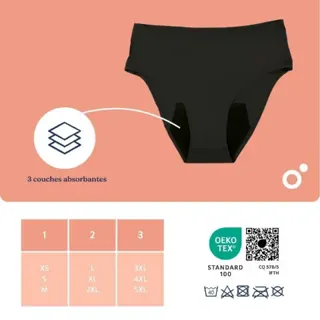 −21 %DoomooFlowly postpartum and period underwear, Black, L/XL/2XL – Doomoo355 DH
instead of 450 DHView product −48 %Safety 1stArctic newborn baby care kit, 8 pieces – Safety 1st156 DH
instead of 300 DHView product −48 %Pasito a PasitoElodie maternity bag, blue – Pasito a Pasito676 DH
instead of 1 300 DHView product −48 %Pasito a PasitoCotton health record cover, white – Pasito a Pasito234 DH
instead of 450 DHView product −9 %DoomooYou&Me reversible comforter, Beige – Doomoo255 DH
instead of 280 DHView product −48 %MedelaMaternity and nursing bra, size S – Medela208 DH
instead of 400 DHView product −48 %NathanTake-anywhere emotions picture book – Nathan75 DH
instead of 145 DHView product −9 %BabymoovB.Love XXL pillow, Wind Blue – Babymoov683 DH
instead of 750 DHView product
Products sold by La Maison du Bébé, publisher of this magazine. Prices as of 12 October 2026; please check the product page.