




Pregnancy
From the first signs to the third trimester, month by month.
48 articles

Pregnancy
- PregnancyEarly Pregnancy Symptoms: The First Signs, and When to Take a Test
Early pregnancy symptoms usually appear 4 to 6 weeks after the first day of your last period, around the time it is late: tender breasts, deep tiredness, nausea, needing to pee more often. None is reliable on its own, because many look like premenstrual signs. Only a test, from the first day of a missed period, confirms pregnancy.
7 min read - PregnancyPregnancy Test: When to Take It, How to Read It, Where to Buy It in Morocco
A urine pregnancy test is reliable from the first day of a missed period or, failing that, 21 days after unprotected sex. Ideally use your first urine of the morning and read the result within the stated time. A positive is almost always right; a negative may simply be too early: repeat the test a few days later.
7 min read - PregnancyHow Many Weeks Pregnant Am I? Weeks, Months and Due Date Explained
Doctors count pregnancy in weeks from the first day of your last period, called "SA" (weeks of amenorrhoea) in Morocco and France. Weeks counted from conception are about two weeks fewer. The due date is set at 40 weeks in the UK, Canada and the US, and at 41 weeks in France. The first-trimester scan then refines the date.
7 min read - PregnancyPregnancy Week by Week: The Key Stages, Trimester by Trimester
A pregnancy lasts about 40 weeks counted from your last period. In the first trimester, up to 14-15 weeks, the organs form and the embryo reaches about 6 cm. In the second, up to 28 weeks, the bump grows and first movements are felt around 18-20 weeks. In the third, baby mainly gains weight: just over 3 kg at birth.
6 min read - PregnancyPregnancy Scans: What Each Ultrasound Is For, and the Routine Tests
An uncomplicated pregnancy includes two or three ultrasound scans depending on the country, alongside blood tests. Around 11-14 weeks, the first pregnancy scan dates the pregnancy, counts the embryos and measures nuchal translucency. Around 20-22 weeks, the second checks anatomy and growth. Around 32 weeks, in France, the third checks baby's position and the placenta.
6 min read - PregnancyBoy or Girl: When and How Can You Find Out Your Baby's Sex?
Boy or girl is decided at fertilisation, but the sex can only be seen on a scan: sometimes from 14 weeks, more reliably around 20-22 weeks, if baby is in a good position. Analysing fetal DNA in the mother's blood can also reveal it, but that is first and foremost a medical screening test. The Chinese calendar, bump shape and cravings predict nothing.
5 min read - PregnancyAnnouncing Your Pregnancy: When to Tell Your Partner, Family and Work
No rule sets a date for announcing your pregnancy. Many couples wait until the end of the first trimester (12 weeks), because most miscarriages happen before then, but you can tell a few close people earlier. At work, Moroccan law sets no deadline and protects pregnant employees from dismissal (articles 159-160).
5 min read - PregnancyWhen Do You Feel Your Baby Move? Fetal Movements Week by Week
Most women first feel their baby move between 17 and 20 weeks of pregnancy: around 18-20 weeks for a first baby, sometimes earlier with later pregnancies. Light flutters come first, then real kicks, which do not slow down at the end of pregnancy. If your baby is moving less than usual, call the maternity unit straight away.
5 min read - PregnancyPregnancy Nausea: Why It Happens and What Really Helps
Pregnancy nausea, caused by hormonal changes, affects about three women in four. It usually starts before 8 weeks and eases between 16 and 20 weeks. Small frequent meals, dry food in the morning, small sips and rest all help. Nothing staying down for 24 hours, weight loss, little urine: see a doctor, it may be hyperemesis.
6 min read - PregnancyCommon Pregnancy Discomforts: Remedies, Symptom by Symptom
Heartburn, constipation, haemorrhoids, cramps, heavy legs and back pain are common in pregnancy: hormones slow digestion and loosen ligaments, while the womb presses on organs and veins. Small meals, fibre, water, raised legs, stretching and gentle activity help. One swollen, painful leg, or any unusual sign, means seeing a doctor quickly.
6 min read - PregnancyExercise During Pregnancy: Recommended Activities, Trimester by Trimester
Without complications, exercise is recommended throughout pregnancy: France's national health authority (HAS) advises 150 to 180 minutes of moderate activity a week, in three sessions or more. Walking, swimming, aqua aerobics, an exercise bike and prenatal yoga suit well. Avoid falls, impacts, scuba diving, humid heat and lying on your back late in pregnancy.
7 min read - PregnancySleeping Well While Pregnant: The Best Positions and the Pregnancy Pillow
The best sleeping position in pregnancy is on your side, left or right. From 28 weeks, going to sleep on your back increases the risk of stillbirth. Waking up on your back is not a problem: just turn over. A pillow between your knees and under your bump helps you hold the position and eases your back.
6 min read - PregnancyStretch Marks in Pregnancy: Can You Really Prevent Them?
Stretch marks affect most pregnant women, around 8 in 10 according to the NHS. They depend mainly on your skin type, your genes and how much weight you gain. No cream or oil has been shown to prevent them, although a moisturising massage may help a little. After the birth they fade, but rarely disappear completely.
6 min read - PregnancyTravelling While Pregnant: Flying, Driving, How Late and What Precautions
Travelling while pregnant is fine when the pregnancy is going well, ideally between the 4th and 6th month. Flying is not dangerous in itself, but each airline sets its own limits: Royal Air Maroc accepts expectant mothers up to the end of the 8th month, with a medical certificate. By car: always wear your seatbelt, lap strap under the bump, and take regular breaks.
6 min read - PregnancyOvulation: How to Spot Your Fertile Days When Trying to Get Pregnant
Ovulation usually happens 10 to 16 days before your next period, around day 14 of a 28-day cycle. Your fertile days are mainly the five days before it and the day itself. Having sex every two to three days is enough. See a doctor after a year of trying, or after six months if you are 35 or over.
7 min read - PregnancyPregnancy Diet: What to Eat and What to Avoid When You Are Pregnant
No need to eat for two: a varied diet plus one extra snack from the second trimester is enough. The foods to avoid mainly guard against three infections, listeria (raw milk, soft cheeses, raw or smoked fish), toxoplasmosis (undercooked meat, poorly washed raw vegetables) and salmonella (raw eggs), plus mercury (swordfish, shark, marlin). Folic acid is prescribed from the moment you plan a baby.
8 min read - PregnancyToxoplasmosis in Pregnancy: Practical Everyday Precautions
Toxoplasmosis, a parasitic infection that often causes no symptoms, can affect the baby if the mother-to-be catches it for the first time during pregnancy. A blood test shows whether you are already immune. If not, a few habits are enough: meat cooked through, fruit, vegetables and herbs washed, clean hands, and the cat’s litter tray handed over to someone else.
7 min read - PregnancyGestational Diabetes: Screening, Diet and Follow-Up
Gestational diabetes is high blood sugar that appears during pregnancy and usually goes away after the birth. It mostly causes no symptoms: it is picked up with a blood test, in particular the oral glucose tolerance test (OGTT) between 24 and 28 weeks. In most cases, an adapted diet and physical activity are enough to control it.
8 min read - PregnancyBleeding During Pregnancy: When Should You Worry?
Bleeding during pregnancy is never normal, but it is not always serious. In the first trimester, about one pregnant woman in four bleeds: only an ultrasound can tell whether the pregnancy is progressing well. After the first trimester, any bleeding means going to the maternity unit straight away. Heavy bleeding, severe pain or feeling faint: call 141.
7 min read - PregnancyMiscarriage: Signs, Causes and How to Heal Afterwards
A miscarriage is the spontaneous end of a pregnancy before 22 weeks (counted from the last period, as in France). It affects about 15% of pregnancies, most often in the first trimester, and usually comes from a chance abnormality in the embryo. Stress, effort and sex do not cause it. A new pregnancy remains possible, and grief deserves support.
7 min read - PregnancyEctopic Pregnancy: Symptoms, Treatment and What Comes Next
An ectopic pregnancy implants outside the womb, most often in a fallopian tube. It cannot lead to the birth of a baby and must be treated. Pain on one side of the lower abdomen, light dark bleeding or shoulder-tip pain in early pregnancy: see a doctor the same day. Sudden pain or feeling faint: call 141.
7 min read - PregnancySex During Pregnancy: What Changes and What Is Safe
In a pregnancy that is progressing normally, sex is safe: the baby is well protected inside the womb, and neither penetration nor orgasm causes miscarriage. Desire, on the other hand, varies from one trimester to the next. The doctor may advise against sex if there is bleeding, leaking fluid or placenta praevia.
5 min read - PregnancyRamadan While Pregnant or Breastfeeding: To Fast or Not, and How to Stay Safe
During Ramadan, Islam exempts pregnant or breastfeeding women who fear for their own health or their baby’s from fasting. Medically, studies show no clear effect on birth weight, but they remain incomplete. The right reflex: talk to your doctor before the holy month, and break your fast at the slightest warning sign.
6 min read - PregnancyTwin Pregnancy: Medical Care, Fatigue and Getting Ready for Twins
A twin pregnancy needs closer monitoring, which depends mainly on the placenta. Twins who share a placenta (monochorionic pregnancy) have a scan about every two weeks; those who each have their own (dichorionic) about once a month. Between half and six in ten twins are born before 37 weeks: it pays to get organised early.
7 min read - PregnancyPreparing for Childbirth: Antenatal Classes, Breathing and a Birth Plan
Preparing for childbirth helps you understand labour, cope with pain and arrive at the maternity unit less anxious. It is done with a midwife or doctor, in standard antenatal classes or through methods such as prenatal yoga, sophrology or haptonomy. It often starts in the third trimester, but is best organised in the second, with the father.
7 min read - Pregnancy1 Month Pregnant: the Test, the First Signs and Your First Appointment
The first month of pregnancy runs until about 6 weeks counted from your last period, which is 4 weeks after conception. The embryo then measures a few millimetres and its heart starts to beat. A missed period, tender breasts, tiredness and nausea are common. After a positive test, book an appointment so your care starts before 12 weeks.
5 min read - Pregnancy2 Months Pregnant: Nausea, Tiredness and Booking Your First Scan
The second month of pregnancy covers roughly weeks 7 to 10, counted from your last period. The embryo grows from 6 mm to 3 cm and becomes a fetus. Nausea, tiredness and bloating are often at their peak. This is the time for your first appointment, your blood tests and booking the dating scan.
5 min read - Pregnancy3 Months Pregnant: the Dating Scan and the End of the First Trimester
The third month of pregnancy runs from about week 11 to week 15, counted from your last period, and closes the first trimester. Your baby measures 5 to 7 cm and its organs are in place. The dating scan, between 11 and 14 weeks, sets the due date and counts the babies. For many women, nausea starts to ease.
5 min read - Pregnancy4 Months Pregnant: Your Bump Rounds Out and Your Energy Returns
The fourth month of pregnancy corresponds roughly to weeks 16 to 19, counted from your last period, at the start of the second trimester. Your baby grows from about 11 to 15 cm from head to bottom. The uterus rises out of the pelvis, your bump rounds out and many women get their energy back. Appointments become monthly.
5 min read - Pregnancy5 Months Pregnant: First Movements and the Anomaly Scan
The fifth month of pregnancy corresponds roughly to weeks 20 to 24, counted from your last period. Your baby measures 25 to 30 cm from head to heel and becomes very active: this is often the month you first feel it move. The anomaly scan checks its organs and growth. Cramps, heartburn and breathlessness may appear.
5 min read - Pregnancy6 months pregnant: the diabetes test and changing sleep
The 6th month of pregnancy covers roughly weeks 24 to 28 (counted from your last period) and ends the second trimester. Baby measures 35 to 38 cm from head to heel and opens their eyes. Between weeks 24 and 28, depending on your profile, you may be screened for gestational diabetes. Cramps, swollen legs and shorter nights are common.
5 min read - Pregnancy7 months pregnant: the third trimester begins, preparation and rest
The 7th month of pregnancy covers roughly weeks 29 to 32, counted from your last period: the third trimester begins. Baby measures 38 to 42 cm from head to heel and now mainly needs to put on weight. Tiredness, backache, swollen ankles and a bump that tightens now and then are common. This is the month to slow down and prepare for the birth.
5 min read - Pregnancy8 months pregnant: the hospital bag, maternity leave and final check-ups
The 8th month of pregnancy covers roughly weeks 33 to 36, counted from your last period. Baby measures 42 to 47 cm from head to heel, puts on fat and often drops into the pelvis. In Morocco, maternity leave for employees in principle starts 7 weeks before the due date. The final check-ups confirm baby's position. Time to close the hospital bag.
5 min read - Pregnancy9 months pregnant: signs of labour and leaving for the maternity unit
The 9th month of pregnancy runs roughly from week 37 to week 41, counted from your last period: baby is full term and can be born at any moment. Contractions coming closer together, waters breaking or a mucus plug announce labour. Call or go to the maternity unit as soon as your waters break, if you bleed or if baby moves less.
5 min read - PregnancyHeartburn in pregnancy: easing acid reflux safely
In pregnancy, heartburn comes from hormones, which relax the muscle between the stomach and the oesophagus, and then from baby pressing on the stomach. Small frequent meals, an early dinner, sleeping propped up and spotting your trigger foods relieve most women. Medicines are taken on advice. Pain below the ribs with a headache means getting checked quickly.
6 min read - PregnancyBack pain in pregnancy: posture, exercises and when to worry
About one pregnant woman in two has back pain: hormones loosen the ligaments and the bump increases the curve of the lower back. Moving regularly, lifting with bent knees, sleeping on your side with a pillow between your knees and seeing a physiotherapist if needed all help. Pain that comes back at regular intervals or comes with fever means seeing a doctor.
7 min read - PregnancyPregnancy Weight Gain: How Many Kilos, and How to Manage It
Recommended pregnancy weight gain depends on your BMI before pregnancy: 11.5 to 16 kg for a normal weight, 12.5 to 18 kg if underweight, about 7 to 11 kg if overweight and 5 to 9 kg with obesity. No dieting: the aim is to eat better, not to eat for two.
6 min read - PregnancyAnaemia in Pregnancy: Signs, Iron Deficiency and Diet
Anaemia in pregnancy, usually caused by a lack of iron, is common: the WHO estimates it affects 37% of pregnant women worldwide. It is detected with a blood count. Prevent it with meat, fish, pulses and vitamin C at the same meal, keeping tea away from meals. Iron treatment is taken only on prescription.
6 min read - PregnancyPre-eclampsia: The Signs to Know and Why to Get Seen Quickly
Pre-eclampsia combines high blood pressure with protein in the urine, usually after 20 weeks of pregnancy and sometimes up to a few weeks after the birth. Often silent at first, it is screened for at every appointment. Severe headaches, blurred vision, pain under the ribs or sudden swelling mean getting seen the same day.
6 min read - PregnancyItching in Pregnancy: When to Think of Obstetric Cholestasis
Itching affects about one pregnant woman in four and is usually harmless. Obstetric cholestasis, a liver condition specific to pregnancy, causes itching without a rash, mainly on the palms and soles, worse at night, usually after 28 weeks. It is confirmed by a blood test (bile acids) and requires follow-up.
6 min read - PregnancyThyroid and Pregnancy: Hypothyroidism, Screening and Follow-up
During the first trimester, the baby relies on its mother's thyroid hormones for its brain to develop. Untreated hypothyroidism raises the risk of miscarriage, pre-eclampsia and premature birth, among others. If you are already on treatment, tell your doctor as soon as your test is positive: the dose often needs adjusting. Iodine, from iodised salt, is also essential.
6 min read - PregnancyVaginal Discharge in Pregnancy: Normal or Not?
Heavier vaginal discharge is normal in pregnancy: it is thin, clear or milky white, with no bad smell or itching. Thick discharge with itching suggests thrush, a fishy smell bacterial vaginosis: see a professional before any treatment. Clear fluid that keeps leaking may be your waters: call the maternity unit.
6 min read - PregnancyLower Abdominal Pain in Pregnancy: What Is Normal and What Is Not
Lower abdominal pain in pregnancy is often harmless: stretching ligaments, constipation, wind or practice contractions. It eases with rest or a change of position. Get checked straight away if it comes with bleeding, fever or leaking fluid, if it is strong on one side in early pregnancy, or if contractions become regular.
6 min read - PregnancyPregnancy After 40: The Real Risks, the Follow-Up and the Good News
A pregnancy after 40 is monitored more closely, not doomed. The risks of miscarriage, chromosomal anomaly, gestational diabetes and high blood pressure rise with age, but most of these babies are born healthy. An early check-up, prenatal screening and closer follow-up make it possible to spot and treat early whatever needs treating.
6 min read - PregnancyHammam During Pregnancy: Can You Go, and Under What Conditions?
The hammam is not forbidden during pregnancy, but intense heat should be avoided, especially in the first trimester, when a rise in body temperature can harm the baby. If you go, stay in the warm room, for a short time, accompanied and well hydrated. After the birth, wait for your doctor's or midwife's go-ahead.
6 min read - PregnancyGoing to the Dentist While Pregnant: Safe Treatments and Bleeding Gums
You can go to the dentist at any stage of pregnancy. Scaling, fillings, root canal treatment, local anaesthetic and dental X-rays are considered safe. The second trimester is the most comfortable time for non-urgent treatment, but pain or infection should be treated without delay. Bleeding gums are common and can be treated.
6 min read - PregnancyThreatened Preterm Labour: The Signs, the Tests and the Question of Rest
Threatened preterm labour is when contractions come with changes to the cervix before 37 weeks of pregnancy. Get checked without delay: a cervical scan helps assess the risk, and the team can delay the birth and prepare the baby's lungs. Strict bed rest is no longer routine.
6 min read - PregnancyChoosing a Gynaecologist for Your Pregnancy in Morocco: The Right Criteria
When choosing a gynaecologist, start from where you want to give birth: does your doctor work there, and who covers at night or during holidays? Then judge how well they listen, how clearly they explain, how available they are and their fees, to be asked in writing along with AMO cover. You can change doctor at any time.
6 min read
From the shop
Pregnancy
 −35 %DoomooSofty nursing pillow, Flower Yellow – Doomoo403 DH
instead of 620 DHView product −22 %BabymoovDream Belt sleep belt, Smokey – Babymoov491 DH
instead of 630 DHView product −42 %Pasito a PasitoFleur insulated bottle, Gifts for Mums, 500 ml – Pasito a Pasito222 DH
instead of 380 DHView product −48 %Pasito a PasitoElodie maternity bag, blue – Pasito a Pasito676 DH
instead of 1 300 DHView product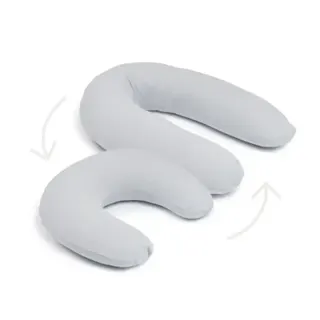 −9 %DoomooTwisty 2-in-1 pregnancy pillow, Pearl Grey, pearl grey cover – Doomoo901 DH
instead of 990 DHView product −9 %DoomooMaxxy XXL pregnancy pillow, Mini Leaves Green, small green leaf print – Doomoo901 DH
instead of 990 DHView product −48 %Bio-OilFace and body skincare oil, 60 ml – Bio-Oil31 DH
instead of 60 DHView product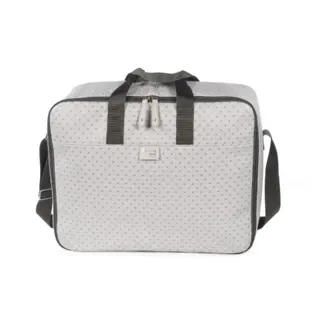 −41 %Walking MumArchie maternity bag – Walking Mum755 DH
instead of 1 290 DHView product −48 %MedelaMaternity and nursing bra, size S, white – Medela208 DH
instead of 400 DHView product −48 %MedelaMaternity and nursing bra, size S – Medela208 DH
instead of 400 DHView product
Products sold by La Maison du Bébé, publisher of this magazine. Prices as of 12 October 2026; please check the product page.