





Article contents
Key points
- First trimester: avoid the hot room, your body temperature matters for the baby.
- After that: warm room, short session, never alone, a bottle of water within reach.
- Dizziness, palpitations, nausea: get out at once and cool down.
- High blood pressure or high-risk pregnancy: ask your doctor first.
- After the birth: wait until the bleeding has stopped and your caregiver agrees.
The Friday hammam with your sisters, the mother-in-law who insists on the big hammam before the birth, then the one during the nfissa, the forty-day period after giving birth… In Morocco, going to the hammam during pregnancy is a real question, not a detail. And the answers you hear around you range from "absolutely not" to "it prepares the body".
The medical reality lies somewhere in between. The hammam (the traditional steam bath) is not forbidden in itself. What causes problems is intense, prolonged heat, especially at the very start of pregnancy, along with the risk of fainting and falling. Here is what the sources say, and how to adapt your habits without giving up this moment of relaxation.
Why hammam heat is a concern during pregnancy
The real issue is hyperthermia, meaning a rise in the body's core temperature. The health authorities of British Columbia explain that a significant rise in this temperature can harm the fetus, and that the risk is greatest in the first weeks, when its organs are forming. It has been linked to neural tube defects such as spina bifida.
Yet a classic Moroccan hammam often has three or four rooms, from the warmest to the hottest, with humid steam that can approach 50 °C (Le Matin). In humid heat, sweat evaporates poorly and the body struggles to cool down. WebMD reports that about 10 minutes in a very hot bath or room is enough to reach a worrying temperature during pregnancy.

Fainting and slipping, the two other risks
Heat dilates the blood vessels in the skin. Combined with the effects of pregnancy hormones, it can reduce blood flow to the brain and cause dizziness and fainting (WebMD). Add to that sweating, which dehydrates quickly, sometimes with nausea and a feeling of disorientation.
The second risk is very concrete: a wet, soapy floor, a bump that changes your balance, buckets of water to carry. A fall onto your belly in the third trimester always warrants a medical check.
What doctors say: opinions that differ
The sources do not all say the same thing, and it is honest to acknowledge it.
- In Canada and the United States, public information does not forbid saunas and hot baths. It advises caution: keep below 38.9 °C, no more than 10 minutes in a very hot bath and 15 minutes in a sauna, have someone with you and get out at the slightest sign of discomfort (HealthLinkBC). For WebMD, after the first trimester the risk is no longer considered significant, provided you do not overdo it.
- In Morocco, a professor of obstetrics and gynaecology in Casablanca interviewed by La Vie éco advises against the hammam and sauna, especially in late pregnancy, and warns against any prolonged stay in the heat. Pregnancy is also among the contraindications listed by Le Matin.
Why the difference? The North American documents are about saunas and baths at a controlled temperature, often brief. The traditional hammam, on the other hand, is a long session, in steam whose exact temperature nobody knows. The common-sense rule that follows: the earlier you are in pregnancy, the hotter the room and the longer the session, the more you should hold back.
Hammam while pregnant: our guide, trimester by trimester
| Period | What to keep in mind |
|---|---|
| First trimester | Avoid the hot room. A lukewarm shower or a brief stay in the warm room, without sweating heavily. |
| Second trimester | Warm room only, short session, always accompanied. |
| Third trimester | Greater risk of fainting and falling. Many women prefer a shower at home; if you do go, warm room and someone by your side at all times. |
| High-risk pregnancy | High blood pressure, bleeding, contractions, threatened preterm labour, low-lying placenta: ask your doctor first. |
Scrubs and black soap: what about hammam treatments?
The glove scrub (kessa) is still possible, gently. During pregnancy, the skin becomes more fragile and more sensitive to the sun, with a risk of brown patches on the face, the "mask of pregnancy" (La Vie éco). Rub less hard, especially on the belly and breasts, and moisturise afterwards with a neutral oil or cream. No cream is guaranteed to prevent stretch marks, though, as our article on stretch marks in pregnancy explains.
To relieve heavy legs or back pain without heat, there are other options: legs raised, walking, cool water on the calves. They are detailed in our guide to the minor ailments of pregnancy. And to stay in shape, swimming or aqua aerobics in moderately warm water are good alternatives (see exercise and pregnancy).
From the shop
Taking care of yourself, while pregnant and after the birth
A few simple products for gentle washing during pregnancy and the postnatal period, instead of long sessions in the heat.
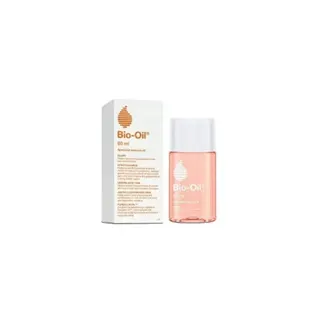 −48 %Bio-OilFace and body skincare oil, 60 ml – Bio-Oil31 DH
instead of 60 DHView product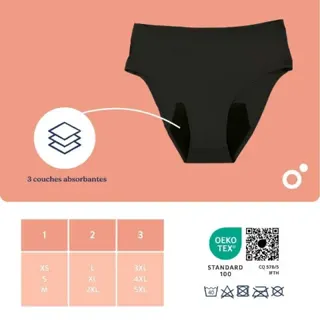 −21 %DoomooFlowly postpartum and period underwear, Black, L/XL/2XL – Doomoo355 DH
instead of 450 DHView product- The whole aisle · Mum’s hygiene8 products online, delivered anywhere in Morocco.Open the aisle
Products sold by La Maison du Bébé, publisher of this magazine. Prices as of 12 October 2026; please check the product page.
The hammam after giving birth: when can you go back?
In many families, the hammam is part of the nfissa rituals. It is a respectable tradition, but a body that has just given birth has its own timetable.
The bleeding that follows the birth, called lochia, generally lasts three to six weeks (INSPQ), sometimes up to six weeks on and off (Naître et grandir). During this time, use pads rather than tampons, which increase the risk of infection (Naître et grandir). After a tear, an episiotomy or a caesarean, the scar must also be properly healed.
Quebec sources allow showers at any time, and a bath in a clean bathtub at home after a vaginal birth; after a caesarean, a bath is only considered about five days after the operation, if the wound is healing well (INSPQ). A public hammam, very hot and shared, is another matter: there is no official waiting period. The safest approach is to wait until the bleeding has stopped and you have had your postnatal check, then ask your doctor or midwife. The stages of this period are described in our article on the postpartum weeks.
If you are breastfeeding, remember to drink plenty too: heat and sweating add to the fluid needs of breastfeeding.
Frequently asked questions
I went to the hammam before I knew I was pregnant: is it serious?
A one-off session is generally not a cause for concern. Medical sources describe a risk linked to a large, prolonged rise in body temperature in very early pregnancy, not to an ordinary session. Simply mention it to your doctor at the first appointment: the scan and routine follow-up make it possible to check that everything is developing normally.
Can I have a black soap and kessa glove scrub while pregnant?
Yes, gently. During pregnancy, the skin is more sensitive and reacts more easily to rubbing and to the sun, with a risk of dark patches (the mask of pregnancy). Avoid vigorous scrubbing on the belly and breasts, test any new product on a small area, and rinse with lukewarm water rather than in scalding steam.
How long after giving birth can I go to the hammam?
There is no official waiting period. Bleeding after birth generally lasts three to six weeks, and a caesarean scar or a tear must be properly healed. The safest approach is to wait until the bleeding has stopped and you have had your postnatal check, then ask your doctor or midwife for the go-ahead.
Is a hot bath at home the same problem as the hammam?
The principle is the same: what matters is the rise in body temperature. A warm bath, or a hot but comfortable one, is not a problem. However, avoid scalding water and very long baths, especially in the first trimester, and get out if your head starts spinning or your heart starts racing.
Sources
- Pregnancy: Hot Tub and Sauna UseHealthLinkBC (Government of British Columbia) · Canada
- Saunas and Jacuzzis During Pregnancy: What to KnowWebMD · United States
- Femmes enceintes : gare aux chaleurs excessives !La Vie éco (opinion of Pr Nadia Zinoun, obstetrician-gynaecologist in Casablanca) · Morocco
- Et si on se faisait un bon hammam !Le Matin · Morocco
- Le corps après l'accouchementMieux vivre avec notre enfant, INSPQ · Canada (Quebec)
- Récupérer après l'accouchementNaître et grandir · Canada (Quebec)