




Play and learning
Games, Montessori, positive parenting, screens, Arabic: growing at their own pace.
10 articles
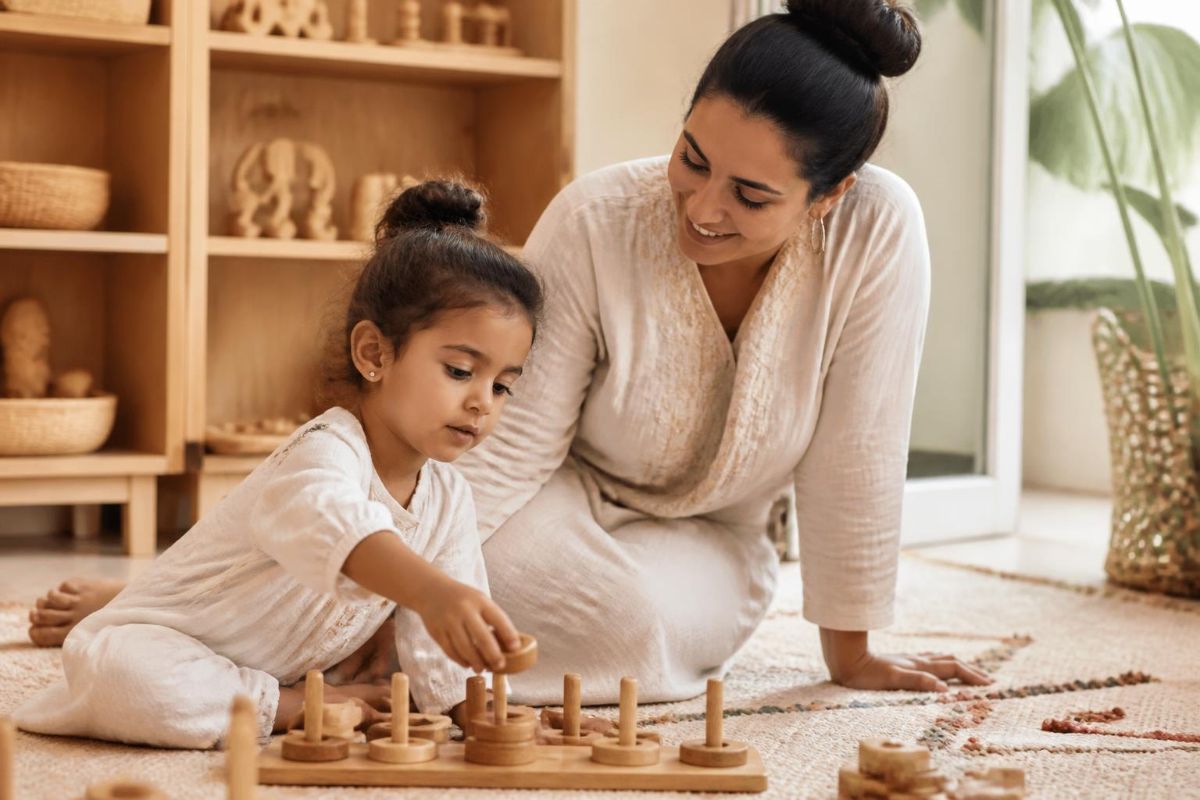
Play and learning
- Play and learningBaby Activities From 0 to 12 Months: Simple Ideas, Age by Age
The best baby activities are simple: play on the floor together several times a day, put your baby on their tummy while awake, talk, read and sing. Everyday objects are often all you need. No screens before age 1. And if your baby turns their head away, squirms or cries, it is time for a quiet break.
6 min read - Play and learningMontessori at home: the key principles and activities by age
Doing Montessori at home is not about buying materials: it means setting up a space at your child's height, letting them move and do things for themselves, and giving them real everyday tasks. Observe them, remove what gets in their way, offer a few simple, real objects. Studies, carried out in schools, show moderate positive effects.
6 min read - Play and learningOutdoor activities for kids: ideas for playing outside at every age
Playing outside every day helps children move, let off steam and learn to judge risks. The WHO recommends at least 3 hours of physical activity a day from age 1: the park, the beach or the courtyard are the perfect playground. Let them climb and run, but make no compromise on sun, water, helmets and roads.
6 min read - Play and learningScreen Time for Young Children: Guidelines by Age, from Birth to 6
Before age 2, the WHO and Canadian paediatricians recommend no screen time at all, with the Canadians making an exception for video calls with loved ones. From 2 to 5, aim for one hour a day at most, and less is better. France goes further: no screens before 3, then occasional use alongside an adult.
7 min read - Play and learningRaising a Bilingual Child in Morocco: Darija, Arabic, Amazigh and French
Growing up with several languages does not delay speech or cause any disorder: a bilingual child says their first words around 12 months, like other children, and their vocabulary is counted by adding up all their languages. Mixing languages is normal. Above all, speak the language you know best, often and with pleasure.
6 min read - Play and learningSongs for babies: lullabies and nursery rhymes to sing, from French to Darija
Singing songs for babies from birth is one of the things the Canadian Paediatric Society recommends every day, along with reading and talking. A singing voice captures a baby's attention, and rhyme and repetition may support early language. Lullabies for sleep, action rhymes for play: sing in whichever language feels natural to you.
6 min read - Play and learningReading to your baby: why start from birth, and how to go about it
The Canadian Paediatric Society recommends reading, talking and singing with your baby every day from birth. Shared reading builds vocabulary, prepares children for school and strengthens your bond. Before age 1, babies look at, touch and chew the book; after that, you chat about the pictures. The best language is the one spoken at home.
7 min read - Play and learningCrafts for Kids Aged 2 to 6: Simple Ideas to Do at Home
Crafts for kids do not need expensive supplies: paper, crayons, glue, cardboard and homemade play dough are enough from age 2 to 6. Crafting builds fine motor skills, language and perseverance. Choose an activity your child can manage, let them do it their own way, and watch out for small objects before age 3.
6 min read - Play and learningIndoor Games for Kids: Keeping Children Busy at Home Without Screens
To keep a child busy at home without screens, alternate active games (cushion obstacle course, skittles, hide-and-seek), quiet games (puzzles, simple board games, pretend play) and free time. The WHO recommends at least 3 hours of physical activity a day before age 5, even indoors. A bit of boredom is fine: it sparks invention.
6 min read - Play and learningTeaching Arabic to kids: the alphabet, reading and games at home
When teaching Arabic to kids, you can let them hear Modern Standard Arabic from birth through stories and songs, even if you speak Darija at home. Letters come next through play, around age 3 or 4, when the child shows interest. Reading is mostly learned at school. Before age 6, enjoyment matters more than exercises.
6 min read
From the shop
Play and learning
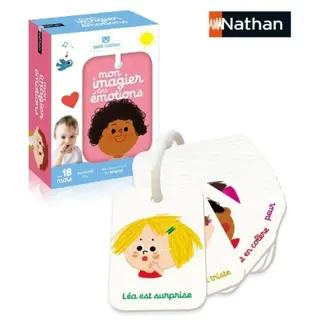 −48 %NathanTake-anywhere emotions picture book – Nathan75 DH
instead of 145 DHView product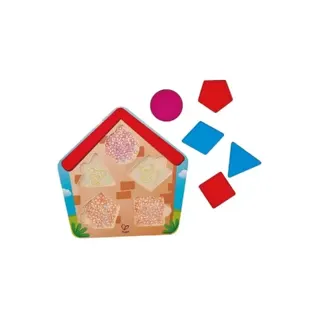 −48 %HapeWho’s in the House wooden peg puzzle – Hape65 DH
instead of 125 DHView product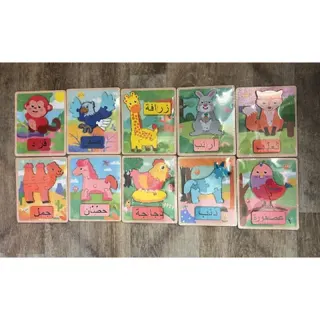 −19 %China Divers BrandWooden animal puzzle in Arabic21 DH
instead of 26 DHView product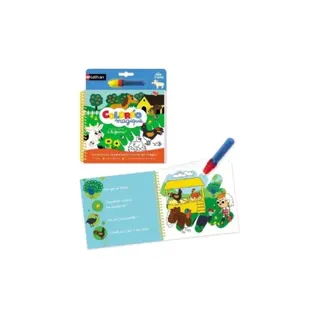 −41 %NathanColoréo magic water colouring, On the farm – Nathan59 DH
instead of 100 DHView product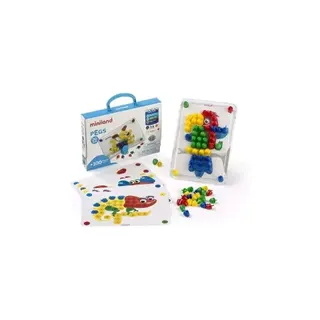 −48 %MinilandPegs 20 mm mosaic game – Miniland104 DH
instead of 200 DHView product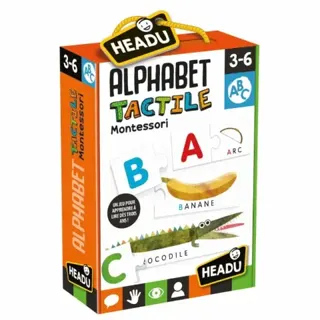 −48 %HeaduTactile Alphabet Montessori game – Headu65 DH
instead of 125 DHView product −48 %LudiMagic bath book, from 6 months – Ludi52 DH
instead of 100 DHView product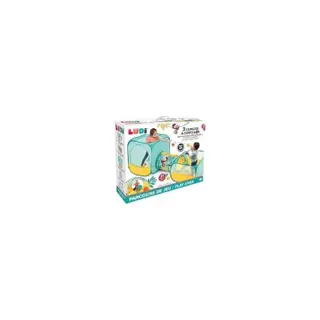 −42 %LudiPlay course – Ludi348 DH
instead of 595 DHView product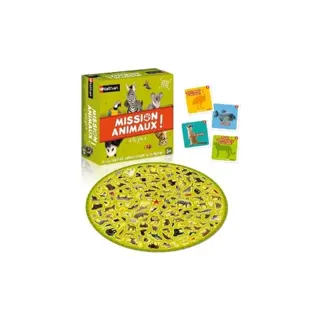 −48 %NathanMission Animaux board game – Nathan218 DH
instead of 420 DHView product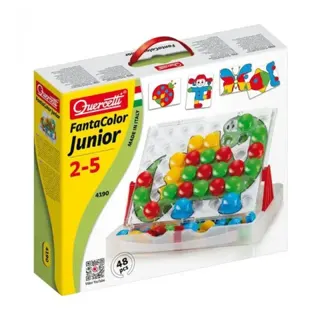 −42 %QuercettiFantaColor Junior mosaic activity toy – Quercetti149 DH
instead of 255 DHView product
Products sold by La Maison du Bébé, publisher of this magazine. Prices as of 12 October 2026; please check the product page.