





Article contents
Key points
- Heartburn: small meals, don't lie down right after eating, head raised at night.
- Constipation: fibre, water and walking; no laxatives without medical advice.
- Heavy legs: legs raised, don't cross them, compression stockings if needed.
- Cramps: stretch the calf by pulling your toes towards you.
- Just one leg swollen and painful: see a doctor quickly.
A burning feeling rising in your throat as soon as you lie down, a calf seizing up at 4 a.m., ankles that swell by the end of the day. The vast majority of pregnancy discomforts are not serious, but they weigh on daily life, especially when they pile up.
Most have a simple explanation and practical, medicine-free solutions. Here is the full overview, symptom by symptom, with the signs that mean you should see a doctor.
Common discomforts at a glance
| Symptom | When | How common (INSPQ) | Key step |
|---|---|---|---|
| Heartburn | From early on, often worse later | Common | Small meals, head raised at night |
| Constipation | Mainly 2nd and 3rd trimesters | Up to 40% of pregnancies | Fibre, water, walking |
| Haemorrhoids | Mainly 2nd and 3rd trimesters | 30 to 40% | Sitz baths, avoid constipation |
| Cramps | Second half, at night | Over 50% | Stretch the calf |
| Back pain | Builds through pregnancy | About 50% | Gentle activity, bend your knees to lift |
| Tingling hands | 2nd and 3rd trimesters | About 33% | Wrist splint at night |
First-trimester nausea has its own article: pregnancy nausea and what really helps.

Heartburn and reflux
Pregnancy hormones slow digestion, and acid from the stomach rises more easily into the oesophagus. In the third trimester, the baby pressing on your stomach doesn't help.
What helps, according to the INSPQ and the Mayo Clinic:
- eating smaller amounts more often, sitting down and without rushing;
- drinking between meals rather than with them;
- not lying down right after eating, and avoiding late meals;
- sleeping with your head and upper back raised;
- wearing clothes that are loose at the waist;
- cutting back on whatever irritates you: fried food, spicy dishes, citrus, tomato, chocolate, fizzy drinks, coffee.
Very sweet mint tea after a generous couscous is not necessarily your friend: notice what sets off your heartburn.
Constipation
Hormones slow down the gut, the womb squeezes the bowel, and iron tablets, often prescribed, are constipating. It affects up to 40% of pregnant women, according to the INSPQ.
- Gradually increase your fibre: wholemeal bread, vegetables, fruit, pulses (lentils, chickpeas, broad beans), dried fruit.
- Drink more water throughout the day.
- Move every day: walking is enough.
- Go to the toilet as soon as you feel the urge.
- If iron makes you very constipated, talk to your doctor.
Don't take a laxative without your doctor's agreement, the Mayo Clinic reminds us. If you are offered a fibre supplement, drink plenty of water with it.
Haemorrhoids
These are swollen veins around the anus, squeezed by the womb. They affect 30 to 40% of pregnant women, and constipation makes them worse. Warm sitz baths help, as does the anti-constipation advice above. For pain, ask your pharmacist for a product suitable in pregnancy, and see your doctor if the discomfort persists or if there is blood.
Heavy legs, varicose veins and swollen ankles
Blood volume rises and the womb presses on the veins in the pelvis: blood flows less easily in the legs, especially at the end of the day.
- Raise your legs whenever you can, and sleep on your left side, the INSPQ advises.
- Avoid standing or sitting still for long periods, and avoid crossing your legs.
- Walk, swim, and do foot exercises.
- Wear compression stockings if needed: they bring relief, but don't stop varicose veins from appearing.
Watch out for one leg on its own. A swollen, painful leg on one side only can signal a blood clot (deep vein thrombosis): see a doctor quickly. Sudden swelling of the hands and face also needs checking without delay. If you are planning a long journey, read our tips for travelling while pregnant.
Leg cramps
More than one pregnant woman in two gets them, mostly at night, in the second half of pregnancy. They hurt but are harmless.
During a cramp, pull your toes towards you to stretch the calf, massage it, then stand up and walk a few steps. To prevent them, NHS Wales suggests a simple exercise: move your foot up and down 30 times, then rotate it 8 times in each direction, and repeat with the other foot. The Mayo Clinic also recommends stretching your calves before bed and drinking enough.
See a doctor if significant pain persists along with a swollen calf.
Back pain
About one pregnant woman in two has back pain. The bump tilts the pelvis forward and arches the lower back, while hormones loosen the ligaments.
- Stay active: swimming, aqua aerobics, prenatal yoga, mobility exercises. Our article on exercise during pregnancy details the suitable activities.
- Wear stable, low-heeled shoes.
- To lift something, keep your back straight and bend your knees.
- If you stand for a long time, rest one foot on a small stool.
- At night, sleep on your side with a pillow between your knees: a pregnancy pillow does this job very well.
See a doctor if the pain persists, gets worse or travels down your legs. Late in pregnancy, back pain that comes back at regular intervals may be contractions.
From the shop
Resting better despite the aches
A pillow between the knees eases your back at night, a sleep belt helps you stay on your side, and a cool water bottle reminds you to drink, which helps with constipation. None of it is essential, but it is real comfort.
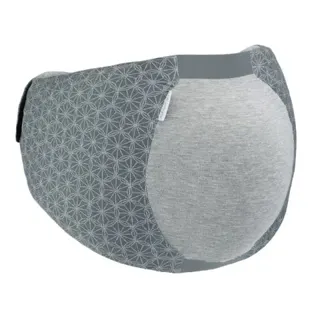 −22 %BabymoovDream Belt sleep belt, Smokey – Babymoov491 DH
instead of 630 DHView product −19 %DoomooSofty nursing and maternity pillow, Ruby Stripes – Doomoo501 DH
instead of 620 DHView product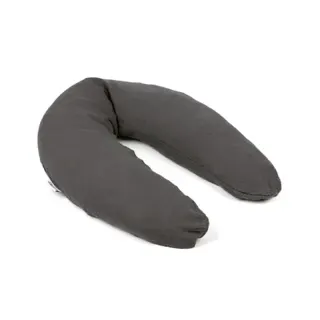 −9 %DoomooComfy Big nursing and maternity pillow, Tetra Grey – Doomoo619 DH
instead of 680 DHView product −9 %DoomooBuddy nursing and pregnancy pillow, Tetra Jersey Green – Doomoo810 DH
instead of 890 DHView product −42 %Pasito a PasitoFleur insulated bottle, Gifts for Mums, 500 ml – Pasito a Pasito222 DH
instead of 380 DHView product- The whole aisle · Pregnancy and nursing pillows20 products online, delivered anywhere in Morocco.Open the aisle
Products sold by La Maison du Bébé, publisher of this magazine. Prices as of 12 October 2026; please check the product page.
Needing to pee and small leaks
Early on, it is the hormones and your kidneys working harder; at the end, it is the baby's head pressing on your bladder. Drink well during the day but cut down on drinks late in the evening. Rock your pelvis gently back and forth on the toilet to empty your bladder fully, and do your pelvic floor exercises.
Burning when you pass urine or blood in your urine suggest a urinary tract infection: see a doctor within 24 hours.
And also: dizziness, gums, blocked nose, tingling hands
- Dizziness: get up slowly, drink regularly, and lie down on your side if your head spins.
- Bleeding gums: up to 100% of pregnant women are affected, according to the INSPQ. Brush your teeth twice a day with a soft brush and use dental floss.
- Blocked nose, nosebleeds: the extra blood flow swells the lining of the nose. Saline solution and less dry air help.
- Hands tingling at night: often carpal tunnel syndrome, linked to fluid retention. A wrist splint worn at night helps; it usually goes away after the birth.
Your nights are often the first casualty of all these discomforts: our advice on sleeping better while pregnant picks up from here. And an insulated bottle that is always full helps you drink enough on hot days.
Frequently asked questions
Can I take medicine for heartburn while pregnant?
Sometimes, but never on your own initiative. Health authorities first recommend adjusting what and how you eat. If that is not enough, your doctor, midwife or pharmacist can suggest a product that is compatible with pregnancy; UNICEF mentions antacids, for example. Ask them for the right product and dose, and always say that you are pregnant.
Are compression stockings useful in pregnancy?
They ease heavy legs, swelling and the discomfort of varicose veins, and both the INSPQ and the Mayo Clinic recommend them. NHS Wales points out, however, that they relieve the symptoms without stopping varicose veins from appearing. Ask your pharmacist to measure you, and put them on in the morning, before your legs swell.
Does magnesium work for cramps?
UNICEF says magnesium or calcium sometimes help with leg cramps, though not in every case. Before taking any, talk to your doctor or pharmacist, who will tell you whether it is useful and at what dose. Calf stretches remain the first thing to try, and they have no contraindications.
Why am I out of breath at the slightest effort?
In the third trimester, the womb pushes upwards and presses under your ribs, so slight breathlessness is common. Rest on your side rather than your back and keep your posture upright. Sudden breathlessness, however, especially with chest pain or palpitations, is a warning sign: call 141 or go to the emergency department.
Do these discomforts go away after the birth?
Most of them, yes. According to UNICEF, the frequent need to pass urine and the breathing discomfort caused by the baby's weight ease after the birth. The INSPQ notes that tingling hands usually disappear after delivery, and that bleeding gums settle about a month later. If a symptom persists, mention it at your postnatal check-up.
Sources
- Malaises de grossesseMieux vivre avec notre enfant, INSPQ · Canada (Québec)
- Signaux d'alarme pendant la grossesseMieux vivre avec notre enfant, INSPQ · Canada (Québec)
- Common problems in pregnancyNHS 111 Wales · United Kingdom
- 2nd trimester pregnancy: What to expectMayo Clinic · United States
- 3rd trimester pregnancy: What to expectMayo Clinic · United States
- Guide de votre premier trimestre de grossesseUNICEF · International
- Votre troisième trimestre de grossesseUNICEF · International