





Article contents
Key points
- No need to eat for two: one extra snack is enough, mainly from the 2nd trimester.
- Meat cooked through, raw vegetables well washed, pasteurised dairy: three habits against infection.
- Sardines or mackerel twice a week, but no swordfish, shark or marlin.
- Tea and coffee reduce iron absorption: drink them away from meals.
- Folic acid is ideally started before conception, at the prescribed dose.
A msemen (flaky Moroccan flatbread) for breakfast, a bowl of harira soup in the evening, a glass of lben (fermented milk) at your mother-in-law’s, and all around you ten pieces of advice that contradict each other. Yet a healthy pregnancy diet is nothing like a complicated regime. It is mostly about eating a variety of foods, a little more from the second trimester, and keeping a handful of risky foods at arm’s length.
The real precautions boil down to a few rules: cook, wash, choose pasteurised products, limit certain fish. Here is how to apply them to Moroccan cooking, the way it is really eaten at home.
Do you really need to eat for two?
No. Your needs increase only a little, and late. In the UK, guidelines mention about 200 extra calories a day, and only in the last three months. In Quebec, from the second trimester, one extra snack or small meal a day is generally considered enough. In practice, that means a yoghurt with a few almonds, not a second plate of couscous.
As for the scales, weight gain depends on your weight before pregnancy. For a woman whose weight was in the normal range, the usual benchmark is 11 to 16 kg in total, with more gain in the third trimester. With twins, greater gain is normal (see our article on twin pregnancy).
There is no need to weigh yourself every day: once or twice a month is enough, and no weight-loss diets.

What does a balanced plate look like, Moroccan style?
A good pregnancy plate looks like any good plate: vegetables or fruit at every meal, a source of protein, and starchy foods, at least half of them wholegrain. Quebec’s Mieux vivre guide also suggests one dark green vegetable and one orange vegetable every day.
Moroccan cooking lends itself to this very well:
- Pulses (harira, bissara fava bean soup, lentils, loubia white beans, chickpeas) provide fibre, folate and plant iron, at a modest price.
- Bread: alternate white bread with wholemeal or barley bread.
- Tagines of vegetables, chicken or fish, well cooked, are perfect.
- Msemen, baghrir and harcha are not forbidden. They are made from white flour, often with plenty of fat: keep them for a treat breakfast, not every morning.
| Time | A sample day |
|---|---|
| Breakfast | Barley bread, olive oil, hard-boiled egg, orange, glass of milk |
| Snack | Plain yoghurt, three dates or a small handful of unsalted almonds |
| Lunch | Chicken and vegetable tagine, well-washed raw salad, wholemeal bread |
| Afternoon | Seasonal fruit and a piece of Emmental |
| Dinner | Harira with a squeeze of lemon, or baked sardines, vegetables, fruit |
If nausea kills your appetite, eat whatever you can keep down, in small amounts, and read our tips for pregnancy nausea.
Folic acid, iron, vitamin D: what to keep an eye on?
Folic acid (vitamin B9) lowers the risk of neural tube defects such as spina bifida. It matters most in the first weeks, often before you even know you are pregnant. Canadian authorities advise starting it two to three months before conception, in a multivitamin continued throughout pregnancy. In the UK it is started at least one month before and continued until 12 weeks. If the pregnancy was not planned, start as soon as you find out. The dose is set by your doctor: it is higher in certain situations, such as diabetes, epilepsy treatment or a previous birth defect.
Iron is used to make the extra blood of pregnancy and your baby’s reserves. Iron from meat and fish is better absorbed than iron from lentils or spinach. To help your body take up plant iron, add a food rich in vitamin C to the same meal: lemon, orange, pepper, kiwi.
Calcium and vitamin D build your baby’s bones. Dairy products provide them, as do tinned sardines eaten with their bones. Your doctor may also prescribe vitamin D. Beyond that, no supplements without medical advice, and above all no vitamin A.
Which foods should you avoid during pregnancy?
Three infection risks explain most of the restrictions. Listeriosis, rare but serious: the bacterium can cross the placenta and cause miscarriage, premature birth or a serious infection in the newborn. It grows even in the fridge, changes neither the smell nor the taste of food, and freezing does not kill it. Toxoplasmosis, passed on through undercooked meat and soil, covered in detail in our article on toxoplasmosis in pregnancy. And salmonella, linked to raw eggs.
| Avoid | Risk | Instead |
|---|---|---|
| Raw milk, homemade jben (fresh cheese) or lben made with raw milk, camembert, brie, bagged grated cheese | Listeria | Pasteurised milk, Emmental, Parmesan, well-cooked cheese |
| Pink kefta (minced meat), rare kebabs, raw meat | Toxoplasmosis | Meat cooked through, 71 °C for minced meat |
| Cachir (Moroccan cold-cut sausage), ham, pâtés, rillettes | Listeria | Cold cuts reheated until steaming hot |
| Sushi, smoked or marinated fish, raw oysters | Listeria | Well-cooked fish and seafood |
| Soft-boiled eggs, homemade mayonnaise, chocolate mousse | Salmonella | Eggs with firm yolks, shop-bought mayonnaise |
| Parsley, coriander, poorly washed raw vegetables | Toxoplasmosis | Careful washing in drinking water, or cooking |
| Liver, boulfaf (liver kebabs) | Too much vitamin A | Well-cooked red meat, pulses |
Khlii, meanwhile, is dried meat slow-cooked in fat: reheated until piping hot, it does not carry the risk of raw meat, but it is very salty and fatty. Keep it for special occasions. Finally, steer clear of dishes when you do not know how they were prepared, such as street salads left in the sun.
From the shop
For home-cooked meals and remembering to drink
Nothing essential: glass containers to keep leftovers cold, an insulated lunch box to take your meal with you, a bottle to drink regularly and a pillow to rest on your side. The containers will come in handy again for baby’s purées.
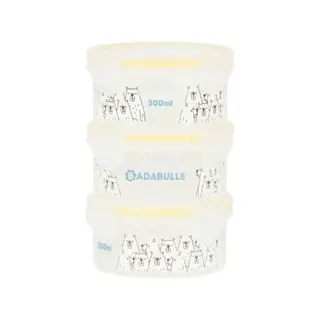 −9 %BadabulleMaxibox storage pots, 300 ml, set of 3 – Badabulle146 DH
instead of 160 DHView product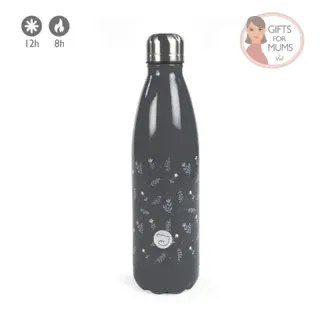 −42 %Pasito a PasitoFleur insulated bottle, Gifts for Mums, 500 ml – Pasito a Pasito222 DH
instead of 380 DHView product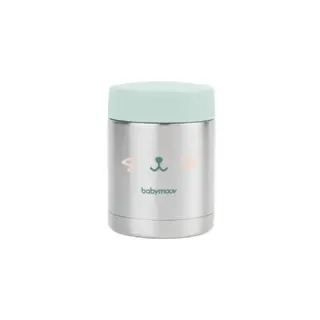 −9 %BabymoovEat’s Isy stainless steel hot and cold food jar, 350 ml – Babymoov255 DH
instead of 280 DHView product −9 %BabymoovSet of 4 Babybols glass food containers – Babymoov319 DH
instead of 350 DHView product −19 %DoomooSofty nursing and maternity pillow, Ruby Stripes – Doomoo501 DH
instead of 620 DHView product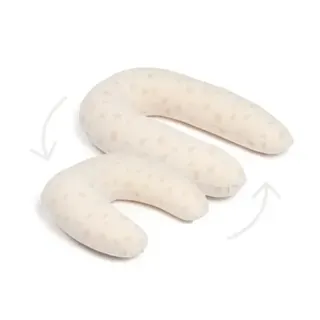 −9 %DoomooTwisty 2-in-1 pregnancy and nursing pillow, Petals Latte – Doomoo901 DH
instead of 990 DHView product- The whole aisle · Pregnancy and nursing pillows20 products online, delivered anywhere in Morocco.Open the aisle
Products sold by La Maison du Bébé, publisher of this magazine. Prices as of 12 October 2026; please check the product page.
Which fish to choose, and which to limit?
Fish is still recommended: twice a week, including once an oily fish rich in omega-3s, which are good for your baby’s brain. Good news in Morocco: sardines and mackerel are among the best choices, fresh or tinned, and they are inexpensive.
The problem lies with large predatory fish, which build up pollutants such as mercury. Swordfish, shark, marlin, gulper shark (siki) and lamprey should be avoided according to French guidance; in Quebec, fresh tuna, shark, swordfish and marlin are limited to 150 g cooked per month. On tinned tuna, countries differ: France advises limiting it, Quebec accepts up to 300 g of white (albacore) tuna a week and prefers light tuna, and the UK allows up to four medium tins. France also recommends limiting sea bream, sea bass, skate and monkfish, all very common at our fish stalls. The simple rule: vary the species and make sardines your everyday fish.
Coffee, mint tea, herbal teas: what to drink?
Water first, and often: your water needs increase during pregnancy, by about 300 ml a day according to the European Food Safety Authority. Keep an insulated water bottle within reach, especially in summer.
For caffeine, guidelines vary: 200 milligrams a day at most in the UK (NHS), 300 milligrams in Canada, about two large 237 ml cups of coffee, and three cups of coffee at most in France. Some British doctors even believe no level is safe. Tea contains about half as much caffeine as coffee, but atay is often drunk very sweet and in several glasses: cut down the sugar and space out the glasses. Energy drinks are not recommended.
Not all herbal teas are harmless. Ginger, orange peel or rosehip are considered safe in Canada, at two or three cups a day. Other plants can trigger contractions or have never been assessed in pregnancy. Avoid throughout pregnancy chiba (wormwood) and fliyou (pennyroyal), often added to atay in winter: wormwood is not recommended for pregnant women, and pennyroyal was long used to bring on miscarriage. For any other traditional blend, ask your doctor or pharmacist. As for alcohol, no safe level is known: none at all for nine months.
If you are diagnosed with gestational diabetes, your meals are organised a little differently: our dedicated article explains how. And if your pregnancy coincides with the month of fasting, read our advice on Ramadan during pregnancy.
Frequently asked questions
Can I eat dates during pregnancy?
Yes. Dried fruit is among the foods that provide iron, and dates contain fibre that helps with constipation. They are, however, very sweet: a few as a snack, with a yoghurt or some almonds, rather than a whole bowl, especially if you have gestational diabetes. They are also said to make labour easier; none of the health authorities consulted for this article makes that a recommendation.
I ate raw-milk cheese without realising. What should I do?
In the vast majority of cases, nothing happens: listeriosis is a rare disease. If you develop a fever, chills, aches or a headache in the following weeks (up to two months later), see a doctor promptly and tell them what you ate. They will decide whether tests are needed. In the meantime, simply go back to good habits, without feeling guilty.
Can I eat boulfaf or liver at Eid while pregnant?
It is better to skip it this year. Liver is very rich in vitamin A, and too much of this vitamin is not advised during pregnancy: Canadian and British authorities advise against it, and France asks you to limit it as much as possible. Mutton itself is no problem as long as it is cooked through, with no pink parts.
Are sushi and raw fish off limits during pregnancy?
Yes, for the full nine months. Raw, marinated or smoked fish can transmit listeria, and freezing does not kill this bacterium. Raw oysters and peeled shellfish sold already cooked should also be avoided. Vegetarian maki, or maki with prawns you have cooked yourself, made at home, are still fine.
Can I diet during pregnancy if I am overweight?
No, weight-loss diets are not advised during pregnancy or breastfeeding. The aim is to eat better, not to lose weight: more vegetables, pulses and wholegrains, fewer pastries and sugary drinks, and suitable physical activity. Your doctor or midwife will tell you how much weight gain is right for you.
Sources
- Manger mieux pendant la grossesse : les aliments à limiter ou éviterSanté.fr, with Santé publique France (Manger Bouger) · France
- Quels aliments éviter et quelles précautions prendre quand on est enceinte ?Manger Bouger, Santé publique France · France
- Prévention des infections d'origine alimentaireMieux vivre avec notre enfant, INSPQ · Canada (Quebec)
- Éléments nutritifs essentielsMieux vivre avec notre enfant, INSPQ · Canada (Quebec)
- Au menu : variété, couleurs et saveursMieux vivre avec notre enfant, INSPQ · Canada (Quebec)
- BoissonsMieux vivre avec notre enfant, INSPQ · Canada (Quebec)
- Diet and lifestyle during pregnancyPatient.info · United Kingdom
- Prise de poids, appétit et problèmes digestifs pendant la grossesseSanté.fr, with Santé publique France (Manger Bouger) · France
- Foods to avoid in pregnancyNHS · United Kingdom
- European Union herbal monograph on Artemisia absinthium L., herbaEuropean Medicines Agency (EMA) · European Union
- Public statement on the use of herbal medicinal products containing pulegone and menthofuranEuropean Medicines Agency (EMA) · European Union
- What is the incubation period for listeriosis?Santé publique France · France
- Pregnant and Breastfeeding Women: Drinking for Two? (Ann Nutr Metab, 2017)Bardosono et al., Karger (EFSA values) · International