





Article contents
Key points
- Benchmark: 150 to 180 minutes of moderate activity a week, in three sessions or more.
- The right pace: you can talk during exercise, but not sing.
- Avoid: combat and contact sports, horse riding, skiing, scuba diving, altitude above 2,500 m.
- In summer, move early in the morning or in the evening, drink often and stop if you get too hot.
- Bleeding, contractions, chest pain or a swollen calf: stop and see a doctor.
You used to walk along the Corniche every evening, went to the gym three times a week, or hadn't exercised since school. The test is positive, and the same question comes back: should you slow down? Exercise during pregnancy is not a risk to manage but a habit to keep, or to start, by adapting it.
Health authorities are clear. Without a medical or obstetric complication, physical activity is recommended throughout pregnancy. Here is how much to do, which activities to choose each trimester, how to cope with the Moroccan heat and which signs mean you should stop.
Why stay active during pregnancy?
Because the benefits are many and well documented. According to the World Health Organization and France's national health authority, the Haute Autorité de santé (HAS), regular activity is linked to less gestational diabetes, pregnancy-related high blood pressure and pre-eclampsia, better-controlled weight gain and fewer depressive symptoms after the birth.
The HAS adds less back and pelvic pain, fewer urine leaks, and possibly a shorter labour with fewer caesareans. The WHO specifies that physical activity has no negative effect on birth weight and does not increase the risk of stillbirth. If you have been told about diabetes, our article on gestational diabetes details the screening and follow-up.

How much exercise, and how intense?
The HAS recommends 150 to 180 minutes a week of endurance activity, in at least three sessions, or even nearly every day. The UK's NHS sticks to 150 minutes, plus two muscle-strengthening sessions a week. Each session starts with 10 to 15 minutes of warm-up and ends with the same amount of cool-down. The HAS advises not going beyond 60 to 90 minutes per session.
The target intensity is light to moderate. The simplest check is the talk test: you should be able to talk, but not sing. If you can no longer keep up a conversation, slow down.
Starting from scratch? The NHS suggests beginning with about ten minutes a day. The HAS gives the example of three 15-minute sessions a week, building up to 30 to 40 minutes three times a week in the second trimester. And on days without a session, get up and move for at least a minute every hour.
Which activities should you choose?
Weight-supported activities, or those that are gentle on the joints, are the easiest to keep up until the end. The table sums up the positions of the HAS, the NHS and Quebec's guide Mieux vivre.
| Recommended | Possible with medical advice or good technique | Avoid |
|---|---|---|
| Brisk walking, climbing stairs | Running, weight training (if you already did them) | Combat sports and contact team sports |
| Swimming, aqua aerobics | Racket sports, “in moderation” | Horse riding, downhill skiing, activities with a risk of falling |
| Exercise bike | Competition (possible in the first trimester) | Scuba diving with tanks |
| Prenatal yoga, adapted Pilates, gentle stretching | Altitude above 2,500 m, humid heat | |
| Moderate muscle strengthening | Classic sit-ups (“crunches”) |
Scuba diving is ruled out because of the risk of decompression sickness for the fetus. As for altitude, the HAS considers moderate activity acceptable up to about 1,800 to 2,500 m after acclimatisation, but to be avoided above that. Keep it in mind before a hike in the High Atlas.
Prenatal yoga also helps you prepare your breathing for the big day: our article on preparing for childbirth presents the different methods.
Trimester by trimester: how to adapt
There is no official programme by trimester. The pointers below come from the HAS recommendations and from advice by the NHS and the INSPQ.
First trimester (up to 14-15 weeks)
Tiredness and nausea often dampen the urge to move: listen to your body, lower the intensity and pick up again when you feel better. If you were already sporty, the HAS even considers competition possible at this stage, while always ruling out activities with a risk of falls or impacts. This is also the period when overheating matters most: the HAS points out that a body temperature above 39.2 °C could harm the development of the fetus.
Second trimester (up to 28 weeks)
Often the most comfortable. This is the right time to set up a routine. As your bump grows, your balance changes: the HAS advises avoiding road cycling and hiking on rough terrain from around the 4th to 6th month. From 24 weeks, avoid exercises lying on your back, especially if that position makes you feel faint: choose lying on your side, sitting or standing instead.
Third trimester
The weight of the bump, breathlessness and tiredness return. Keep moving but lower the intensity: walking, swimming, aqua aerobics, stretching, pelvic floor exercises. Water eases the muscles and joints, the NHS points out. Late-pregnancy discomforts, such as back pain, have their own article: heavy legs, back pain, cramps: what helps.
From the shop
To move comfortably, then recover
You need nothing special to walk or swim. A water bottle to drink often, a supportive bra and a pillow to rest on your side simply make your sessions more pleasant.
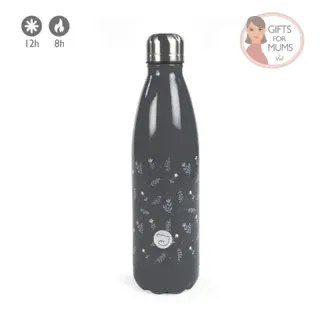 −42 %Pasito a PasitoFleur insulated bottle, Gifts for Mums, 500 ml – Pasito a Pasito222 DH
instead of 380 DHView product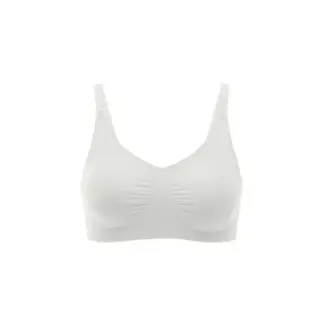 −48 %MedelaMaternity and nursing bra, size S – Medela208 DH
instead of 400 DHView product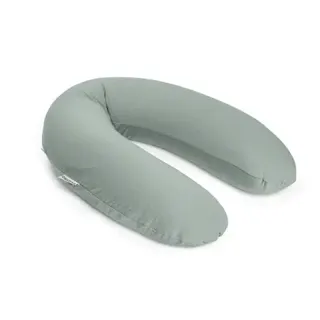 −9 %DoomooBuddy nursing and pregnancy pillow, Tetra Jersey Green – Doomoo810 DH
instead of 890 DHView product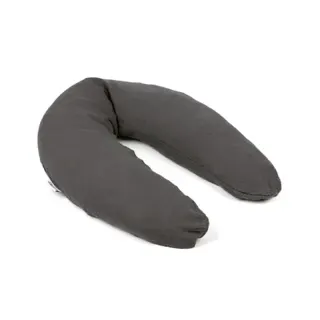 −9 %DoomooComfy Big nursing and maternity pillow, Tetra Grey – Doomoo619 DH
instead of 680 DHView product- The whole aisle · Pregnancy and nursing pillows20 products online, delivered anywhere in Morocco.Open the aisle
Products sold by La Maison du Bébé, publisher of this magazine. Prices as of 12 October 2026; please check the product page.
Moroccan heat: staying active without overheating
The HAS asks you to avoid hot, humid environments, drink very regularly and adapt duration and intensity to prevent overheating. Quebec's guide reminds us that exercise raises body temperature and makes you lose water through sweat.
In practice, from June to September, or on a day of chergui (the hot desert wind):
- go walking early in the morning or after sunset;
- the walkways of an air-conditioned shopping centre make a perfectly decent walking track;
- the swimming pool is often the most comfortable activity in summer;
- wear light clothing and keep an insulated bottle within reach;
- stop as soon as you feel too hot or unwell.
The same logic applies to the hammam (the traditional steam bath) after exercise. It does not appear in sports recommendations, but the INSPQ advises against tanning salons, for example, whose extreme heat can raise body temperature significantly. If you go to the hammam, stay in the warm room, not the hot one, and not for long.
When is exercise not advised?
Some situations mean you should not exercise. The HAS lists in particular:
- waters breaking or premature labour;
- persistent unexplained bleeding, or placenta praevia after 24 weeks;
- pre-eclampsia, a cervix that opens too early (cervical insufficiency) or a cervical stitch;
- restricted growth of the baby or a triplet pregnancy;
- serious heart or lung disease, uncontrolled epilepsy.
Others need a case-by-case assessment with your gynaecologist or midwife: recurrent miscarriages, high blood pressure, marked anaemia, poorly controlled diabetes, twins from 28 weeks (see twin pregnancy), orthopaedic problems with the back, knees or hips. In that last case, swimming is still possible. The simplest approach: mention your activity plans at your very first appointment.
To recover well at night, especially in the last trimester, a pregnancy pillow helps you stay on your side. Our advice is in sleeping well while pregnant.
And after the birth?
When to start again is decided at the postnatal check-up. As a guide, and after medical advice, the HAS mentions 4 to 6 weeks after a vaginal birth and 8 to 10 weeks after a caesarean. Walking and gentle swimming can resume early. High-impact activities, such as running or jumping, wait until pelvic floor rehabilitation is done and the pelvic floor is shown to work normally. Everything is explained in getting your tummy back after the birth.
Frequently asked questions
Can I do ab exercises while pregnant?
Not classic sit-ups, which Quebec's guide Mieux vivre advises against. France's HAS recommends moderate strengthening instead, sitting or lying on your side, to support your back, limit the separation of the abdominal muscles (diastasis) and strengthen the pelvic floor. Avoid holding your breath while pushing and long-held contractions. A midwife or physiotherapist can show you the right movements.
Can I keep running while pregnant?
If you already ran, it is not automatically ruled out. France's HAS does, however, consider it better to have the approval of the professional following your pregnancy. The UK's NHS, on the other hand, advises against taking up a strenuous activity such as running during pregnancy. Late in pregnancy, brisk walking often replaces jogging.
I've never exercised. Where do I start while pregnant?
With walking, quite simply. The NHS suggests starting with about ten minutes a day, then building up gradually. France's HAS gives the example of three 15-minute sessions a week, working up to 30 to 40 minutes three times a week in the second trimester. Even below the recommendations, every session counts.
Is prenatal yoga safe?
Yes, if it is adapted. France's HAS considers yoga and Pilates acceptable as long as you avoid postures that make your blood pressure drop, especially lying on your back late in pregnancy. Always tell the teacher you are pregnant, as the NHS advises, and choose a prenatal class, where the postures are already adapted.
Sources
- Prescription d'activité physique. Grossesse et post-partum (synthèse, juillet 2022)Haute Autorité de santé (HAS) · France
- Prescription d'activité physique et sportive : pendant la grossesse et en post-partum (référentiel, juillet 2019)Haute Autorité de santé (HAS) · France
- Exercise in pregnancyNHS · United Kingdom
- Activités physiques pendant la grossesseMieux vivre avec notre enfant, INSPQ · Canada (Québec)
- Sécurité des soins personnels pendant la grossesseMieux vivre avec notre enfant, INSPQ · Canada (Québec)
- Physical activity (fact sheet, 26 June 2024)World Health Organization (WHO) · International