





Article contents
Key points
- The fourth month runs from 15 weeks and 1 day to 19 weeks and 2 days.
- Your baby moves its arms and legs, clenches its fists and reacts to loud noises.
- Your waist disappears: the uterus rises above the pelvis.
- Antenatal appointments become monthly; you can sometimes hear your baby's heartbeat.
- This is a good time to look into maternity units and antenatal classes.
The nausea has let go, afternoon naps are no longer vital, and you feel like going out again. At 4 months pregnant, many women feel they are becoming themselves again. The UK's NHS confirms it: most feel better once the first trimester is over.
Your body, meanwhile, keeps changing, and this time it is starting to show. Here is where you are, what your baby is going through, and how to make the most of this often lighter month to get ahead on what matters.
How many weeks is 4 months pregnant?
The fourth month runs from 15 weeks and 1 day to 19 weeks and 2 days, which is roughly 13 to 17 weeks after conception. You are at the start of the second trimester, which lasts until 28 weeks.
These weeks are counted from the first day of your last period (written "SA", weeks of amenorrhoea, on Moroccan and French paperwork). If your app shows two weeks fewer, it is counting from conception: our article on converting weeks into months of pregnancy explains everything.

What is happening to your baby in the fourth month?
Your baby is growing fast and wriggling a lot.
| Week | Size (head to bottom) | What is happening (according to the NHS) |
|---|---|---|
| 16 weeks | about 11.6 cm | moves its arms and legs, clenches its fists, pulls random faces |
| 17 weeks | about 12 cm | its eyes move behind closed eyelids; it reacts to loud noises; its fingerprints are forming |
| 19 weeks | about 15.3 cm | the permanent teeth are forming behind the baby teeth |
Its smiles and frowns are not deliberate yet: the facial muscles are practising, without control. Its kicks, on the other hand, are real, but you will probably only feel them a little later. To find out when and how, read our article on when you feel your baby move.
Symptoms in the fourth month of pregnancy
The uterus rises out of the pelvis: your waist disappears and the pregnancy starts to show, the NHS explains. The placenta is growing too; it will weigh about 500 g by the end of pregnancy.
Among the common discomforts this month:
- constipation and bloating, sometimes heartburn;
- pulling sensations on the sides of the abdomen, as the ligaments holding the uterus stretch;
- bleeding gums and nosebleeds, linked to the increased blood flow;
- leg cramps, headaches, hot flushes;
- brown patches on the face (the "mask of pregnancy") and oilier skin;
- the first stretch marks, which affect up to 8 women in 10 according to the NHS and usually fade after the birth.
Your mood matters too: the NHS estimates that about one woman in five feels stressed or anxious during pregnancy. Talking about it at your appointment is part of your care. For your skin, our article on pregnancy stretch marks sets out what works, and what does not.
Fourth-month appointments in Morocco
From the 4th month, check-ups become monthly in the French schedule. In the UK, an appointment is planned at 16 weeks to go over the results of the first tests, check your blood pressure and test your urine for protein. You often hear your baby's heartbeat there for the first time.
In Morocco, the pace depends on where you are followed (health centre, gynaecologist, private clinic) and on your situation. The national campaign launched by the Ministry of Health in 2025 stressed this point: care that is "early and regular". Ask for the schedule planned for you, and note the date of the second-trimester scan, due the following month.
This is also the time to talk about vaccines: the NHS offers the whooping cough vaccine from 16 weeks. The recommendations, and what the Moroccan programme provides, are detailed in our article on vaccines during pregnancy.
Good habits in the fourth month
Sleep on your side from now on, with a pillow or cushion between your knees: the NHS recommends it for better sleep. The habit will be in place for the third trimester, when it becomes important. A long pregnancy pillow hugs your back and bump; our position tips are in sleeping well while pregnant.
Work your pelvic floor for a few minutes a day, to limit leaks when you laugh or cough.
Keep moving: the NHS target is 150 minutes of activity a week, starting with a brisk 10-minute walk a day if needed.
Eat a varied diet, not a double one. The NHS reminds us that extra calories are only useful in the third trimester.
From the shop
To support your growing bump
A pregnancy pillow eases your back as soon as you sleep on your side, and a care oil brings comfort to tight skin. A few options at a range of prices.
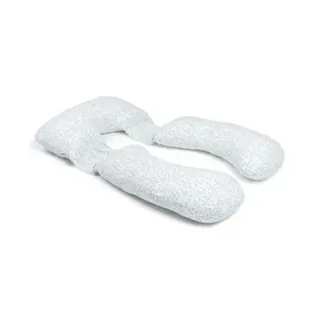 −9 %DoomooMaxxy XXL pregnancy pillow, Mini Leaves Green, small green leaf print – Doomoo901 DH
instead of 990 DHView product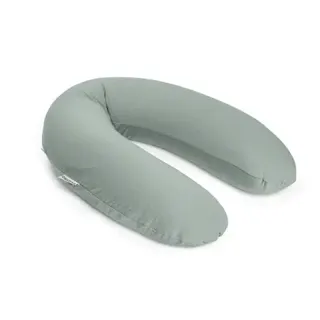 −9 %DoomooBuddy nursing and pregnancy pillow, Tetra Jersey Green – Doomoo810 DH
instead of 890 DHView product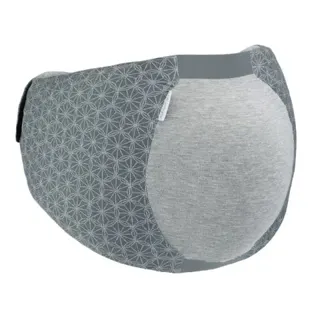 −22 %BabymoovDream Belt sleep belt, Smokey – Babymoov491 DH
instead of 630 DHView product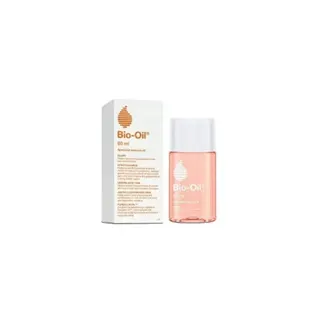 −48 %Bio-OilFace and body skincare oil, 60 ml – Bio-Oil31 DH
instead of 60 DHView product −48 %MedelaMaternity and nursing bra, size S, white – Medela208 DH
instead of 400 DHView product −9 %DoomooBuddy maternity and nursing pillow, Mushrooms – Doomoo810 DH
instead of 890 DHView product- The whole aisle · Pregnancy and nursing pillows20 products online, delivered anywhere in Morocco.Open the aisle
Products sold by La Maison du Bébé, publisher of this magazine. Prices as of 12 October 2026; please check the product page.
As for clothes, loose summer outfits and flowing djellabas (the traditional Moroccan long robe) often do the job until the 6th month. For your bust, a maternity and nursing bra will see you through until after the birth.
If you are planning a trip this trimester, first read our precautions for travelling while pregnant.
Frequently asked questions
Is it normal not to feel the baby move yet at 4 months pregnant?
Yes, completely. Your baby moves a lot, but it is still small and its movements go unnoticed. The UK's NHS places the first sensations between 18 and 24 weeks, often a little later for a first baby. At first they feel like bubbles or a light fluttering. Most women recognise them in the 5th month.
My bump is still small at 4 months: should I worry?
No, not in itself. When your bump starts to show depends on your build, the tone of your abdominal muscles and how many pregnancies you have had. Comparing your bump with a cousin's says nothing about your baby's growth. That is checked by measuring the height of the uterus and by ultrasound, at each appointment.
How can I ease constipation at 4 months pregnant?
It is common in the second trimester, because hormones slow down the bowel. The NHS advises eating fibre-rich foods (vegetables, fruit, wholemeal bread, pulses), drinking plenty of water and moving every day. Do not take a laxative without medical advice, and mention it if you take an iron supplement: your doctor can adjust it.
Can you hear the baby's heartbeat at 4 months pregnant?
Yes, often. The UK's NHS says that at the 16-week appointment, the midwife or doctor may let you hear your baby's heartbeat for the first time, using a small device placed on your tummy. If they do not find it straight away, it is not necessarily a cause for concern: your baby is small and moves a lot.
Sources
- Week 16 (Your pregnancy week by week)NHS, Best Start in Life · United Kingdom
- Week 17 (Your pregnancy week by week)NHS, Best Start in Life · United Kingdom
- Week 19 (Your pregnancy week by week)NHS, Best Start in Life · United Kingdom
- Week 6 (Your pregnancy week by week)NHS, Best Start in Life · United Kingdom
- Guide maternité : l'arrivée de mon enfant (2023)MGEN, French national health insurance schedule · France
- New guidelines on antenatal care for a positive pregnancy experience (7 November 2016)World Health Organization (WHO) · International
- Campagne nationale sur l'importance des soins prénatals (7 April 2025)Hespress FR, based on the Ministry of Health and Social Protection · Morocco