





Article contents
Key points
- The 6th month runs from 23 weeks and 6 days to 28 weeks: the end of the second trimester.
- Around week 26, baby opens their eyes for the first time.
- Gestational diabetes screening (OGTT) takes place between weeks 24 and 28, depending on your profile.
- From week 28, go to sleep on your side, left or right.
- Sudden swelling of the face or hands should be reported the same day.
It is past midnight. You turn over for the third time, a cramp grips your calf, and baby picks that very moment to start kicking. At 6 months pregnant, your nights begin to change, and the diary fills up: blood tests, perhaps a diabetes test, the monthly check-up.
This is the end of the second trimester. Your bump is nicely round, baby is very much there, and the birth, while not yet close, is starting to feel real. Here are the landmarks for the month.
How many weeks is 6 months pregnant?
The 6th month runs from 23 weeks and 6 days to 28 weeks, which is 22 to 26 weeks after conception. At 28 weeks, the third trimester begins.
Weeks of pregnancy are counted from the first day of your last period. In Morocco and France, doctors write them as "SA" (semaines d'aménorrhée) on prescriptions and scan reports. The full conversion table is in our article on counting your weeks of pregnancy.

What is happening to baby in the 6th month?
Baby is growing, waking up and reacting to the outside world. According to the UK's NHS:
| Week | Length (head to heel) | What happens |
|---|---|---|
| 25 | about 34.6 cm | a loud noise makes baby startle; they sometimes have hiccups; they pass urine into the amniotic fluid |
| 26 | about 35.6 cm | their eyes open for the first time and they learn to blink |
| 28 | about 37.6 cm | their heart beats at around 140 beats per minute, audible with a stethoscope |
The amniotic fluid, which baby renews by passing urine, cushions them and helps keep their temperature stable. Your voice, the father's voice, the sounds of the house: all of this now reaches them. The other milestones are described in pregnancy week by week.
Symptoms at 6 months pregnant
- Swollen feet, ankles or hands, especially in hot weather. The NHS considers this swelling probably harmless, but advises mentioning it so your blood pressure can be checked.
- Heartburn, burping, feeling full quickly: baby is pressing on your stomach.
- Night-time cramps in the calves: pull your toes towards you or massage the muscle.
- Backache, piles (haemorrhoids), nosebleeds.
- Feeling clumsy or absent-minded, which the NHS also mentions at this stage.
- Broken nights: needing to pee, baby moving, a comfortable position that is hard to find.
Practical solutions for each of these complaints are gathered in our article on back pain during pregnancy and in the one on heartburn.
The diabetes test: who has it, and when?
Screening for gestational diabetes takes place between weeks 24 and 28, with a blood test called an oral glucose tolerance test (OGTT, or HGPO in French): a fasting blood sugar test, a sugary drink, then two more blood samples.
Not everyone has it. In the United Kingdom, it is only offered to women at higher risk, while other programmes offer it to every pregnant woman. In Morocco, your doctor decides according to your profile and history: tell them about any diabetes in your family or during a previous pregnancy. Risk factors, how the test works and what happens next are covered in our guide to gestational diabetes.
The month's other appointments
In France, the 6th month corresponds to the 4th antenatal examination. In the United Kingdom, an appointment at 25 weeks (for a first baby) and another at 28 weeks check blood pressure, urine, the size of the bump and baby's movements. The WHO plans a contact at around 26 weeks.
At 28 weeks, the NHS also plans:
- a blood test to check your iron levels and general health (see anaemia in pregnancy);
- a preventive injection if your blood group is rhesus negative and baby may be incompatible.
In Morocco, if you are an employee, this is also the time to pin down the dates of your maternity leave: 14 weeks, in principle 7 before and 7 after the birth (Labour Code, article 152, the rule in force in October 2026).
Changing sleep: settling on your side
From week 28, going to sleep on your side, left or right, is the recommended position: the NHS explains that it helps blood flow to the placenta. Get into the habit this month. One pillow between your knees and another under your bump make the position more comfortable. If you wake up on your back, simply turn over.
From the shop
Sleeping better with a six-month bump
A pregnancy pillow is the piece of kit that helps most at this stage: it supports your bump and back when you lie on your side, then helps you position baby for feeds. Several shapes and prices.
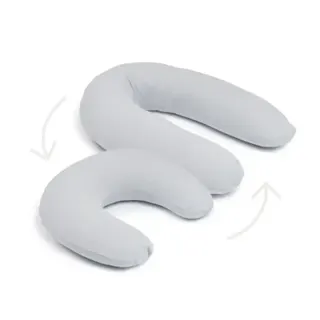 −9 %DoomooTwisty 2-in-1 pregnancy pillow, Pearl Grey, pearl grey cover – Doomoo901 DH
instead of 990 DHView product −9 %BabymoovB.Love XXL pillow, Wind Blue – Babymoov683 DH
instead of 750 DHView product −19 %DoomooSofty nursing and maternity pillow, Ruby Stripes – Doomoo501 DH
instead of 620 DHView product −9 %DoomooComfy Big nursing and maternity pillow, Tetra Green – Doomoo619 DH
instead of 680 DHView product −22 %BabymoovDream Belt sleep belt, Smokey – Babymoov491 DH
instead of 630 DHView product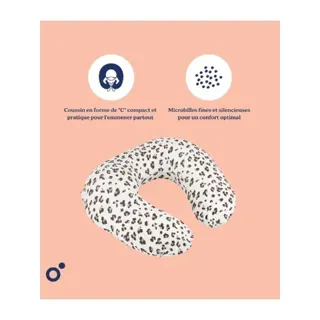 −9 %DoomooSofty nursing pillow, Leopard Cream – Doomoo564 DH
instead of 620 DHView product- The whole aisle · Pregnancy and nursing pillows20 products online, delivered anywhere in Morocco.Open the aisle
Products sold by La Maison du Bébé, publisher of this magazine. Prices as of 12 October 2026; please check the product page.
Frequently asked questions
Is the diabetes test in the 6th month compulsory?
It depends on the country and on your profile. In the United Kingdom, the glucose tolerance test (OGTT) between weeks 24 and 28 is only offered to women at higher risk; other programmes offer it to everyone. In Morocco, your doctor decides based on your history, your weight and your blood sugar early in pregnancy. Simply ask at your 6th-month appointment.
Baby makes regular little jerks in my tummy: is it hiccups?
Very probably. The UK's NHS says that at this stage you may sometimes feel baby's hiccups: small rhythmic jolts, always in the same spot, lasting a few minutes. It is normal and harmless. Baby swallows amniotic fluid and is training the diaphragm, a muscle they will use to breathe after birth.
Why are my feet swollen at 6 months pregnant?
Pregnancy makes your body hold on to water, especially in hot weather and at the end of the day. According to the NHS, this swelling of the feet and ankles is probably nothing serious, but you should mention it so your blood pressure can be checked. Raise your legs, move regularly and drink water. Sudden swelling of the face or hands, however, means seeing a doctor the same day.
Can I sleep on my back at 6 months pregnant?
Until week 28, position matters little: choose whichever is comfortable. From week 28, UK guidance advises going to sleep on your side, left or right, to protect blood flow to the placenta. If you wake up on your back, there is no need to worry: just turn back onto your side.
Sources
- Week 25 (Your pregnancy week by week)NHS, Best Start in Life · United Kingdom
- Week 26 (Your pregnancy week by week)NHS, Best Start in Life · United Kingdom
- Week 28 (Your pregnancy week by week)NHS, Best Start in Life · United Kingdom
- Week 34 (Your pregnancy week by week)NHS, Best Start in Life · United Kingdom
- Your antenatal appointmentsNHS · United Kingdom
- Guide maternité : l'arrivée de mon enfant (2023)MGEN, French Health Insurance follow-up schedule · France
- New guidelines on antenatal care for a positive pregnancy experience (7 November 2016)World Health Organization (WHO) · International
- Congé de maternité au Maroc : 98 jours, CNSS et droits (updated March 2026)ClicPaie · Morocco