










Article contents
Key points
- Lochia last 3 to 6 weeks: pads yes, tampons and menstrual cups no.
- Afterpains, stronger during feeds, help the womb contract.
- During the nfissa, rest but get up and walk a little every day.
- A binder can ease discomfort after a caesarean, but nothing shows it flattens the belly.
- Postnatal check between 6 and 8 weeks: note your questions beforehand.
Baby is ten days old. You are still bleeding, you sweat at night, your breasts ache, and the house is never empty. The postpartum period, once called "the lying-in", is the name for these weeks when the body recovers from pregnancy and birth. In Morocco, it has another name: the nfissa, the forty days during which the new mother, herself called a nfissa, is surrounded and looked after.
Much of what you feel is normal, and a few signs are not. Here is what happens, what really helps, and a kind but honest look at traditions.
Lochia: how long do you bleed after giving birth?
Lochia is the bleeding that follows birth, after a vaginal delivery as after a caesarean. It comes from the wound left in the womb by the placenta, and changes appearance over the days:
- in the first days, it is red, heavier than a period, sometimes with clots, especially in the morning, after urinating or during a feed;
- then it turns pink, then brown, always paler;
- towards the end, it is yellowish or whitish.
It generally lasts three to six weeks. One to two weeks after the birth, a heavier bleed can return for a few hours: the scab covering the placental site comes away. Unusual effort can also revive the bleeding.
Use pads, changed at least every 4 hours, or washable postpartum underwear. No tampons or menstrual cups during this period. This bleeding is not a period: the difference is explained in our article on the return of periods.

The womb and afterpains
After the birth, the womb shrinks day by day and returns to its usual size in 4 to 8 weeks, according to Naître et grandir. This work is done through contractions, the afterpains, which feel like period cramps. They are stronger during feeds, and often more marked after a second or third baby.
They are useful: they shrink the womb and limit bleeding. If they bother you, ask your doctor or pharmacist for a pain reliever compatible with breastfeeding. Intense belly pain, or pain with fever, is not an afterpain: it should make you seek help.
Perineum, scar, bowels: the small daily worries
- The perineum stays sensitive, sometimes swollen, for weeks, especially after a tear or an episiotomy. Care of the stitches is detailed in our article on episiotomy and tears.
- The caesarean scar needs a daily shower and gentle drying; see our guide to recovery after a caesarean.
- Urinating can sting in the first days: pour lukewarm water over the vulva at the same time.
- Urine leaks affect about one woman in three in the first months, according to Quebec's Mieux vivre guide, more often after a tear or a big baby. Pelvic floor exercises help: our article on pelvic floor rehabilitation explains which.
- Bowels: no stool for 2 to 3 days after a vaginal birth, or 3 to 5 days after a caesarean, is normal. After that, fibre, about 2 litres of water a day and a little walking get things going. Haemorrhoids, which are common, usually improve quickly.
- Night sweats are common in the first weeks, linked to hormonal changes.
Breasts, tiredness, hair: the rest of the body
Your breasts fill in the first days: this is the milk "coming in", which our article on milk coming in helps you get through. If you are not breastfeeding, they stay swollen and sore for a few days while production stops: a well-supporting bra and cold help.
Tiredness is normal, and energy takes a few weeks to come back. Sleep when baby sleeps, limit visits, and let others take care of meals, housework and older children. The easy tears of the first days, the baby blues, are common; if sadness lasts, read our article on baby blues and postpartum depression.
Hair often falls out more in the six months that follow: it is the hair that pregnancy hormones had held on to. The overview is in our article on hair loss after baby.
What to eat after giving birth?
No diet. Assurance Maladie asks you not to diet if you are breastfeeding, and to wait until baby is 3 months old otherwise. A varied, balanced diet without excess, and plenty of water, especially when breastfeeding, is enough. Pregnancy weight goes gradually, over a few months; Naître et grandir advises not losing more than 1 to 2 kg a month.
Nfissa dishes have their full place. In Salé families, Le Matin reports, sfouf is the new mother's favourite dish during the first seven days, and harira is served for breakfast on the seventh day. These rich, comforting dishes are also a way of looking after yourself. Just keep some variety: vegetables, fruit, dairy, and water within reach during feeds. Our article on what a breastfeeding mother eats clears up the common myths.
From the shop
Les essentiels des semaines qui suivent la naissance
Des culottes lavables pour les saignements, une douchette et un spray pour la toilette intime, un baume et un soutien-gorge pour l'allaitement : quelques objets simples, à ne pas racheter si vous avez déjà l'équivalent.
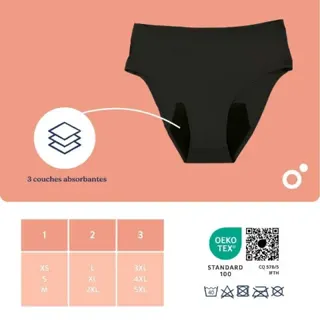 −21 %DoomooFlowly postpartum and period underwear, Black, L/XL/2XL – Doomoo355 DH
instead of 450 DHView product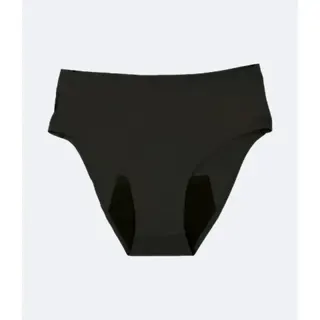 −21 %DoomooFlowly postpartum and period underwear, Black, XS-S-M – Doomoo355 DH
instead of 450 DHView product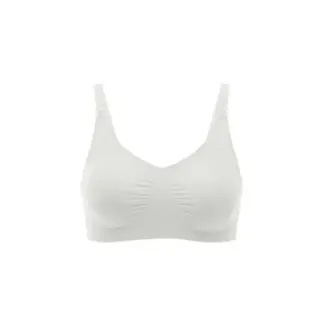 −48 %MedelaMaternity and nursing bra, size S, white – Medela208 DH
instead of 400 DHView product- The whole aisle · Mum’s hygiene8 products online, delivered anywhere in Morocco.Open the aisle
Products sold by La Maison du Bébé, publisher of this magazine. Prices as of 12 October 2026; please check the product page.
The nfissa, the 40 days: what tradition gets right
On the essentials, tradition and medical recommendations point the same way: the new mother needs rest, help with the house and the older children, and calm. During the nfissa, mothers, mothers-in-law and aunts often take over, and that is precious. A few points deserve a careful look, though.
- Rest, yes; staying in bed, no. The MSD Manual advises getting up and walking as early as possible after the birth. The rest of the nfissa is first of all being relieved of chores, not staying in bed for forty days.
- Bath and hammam. Opinions differ on the bath, and none of our sources deals with the 40th-day hammam, which the nfissa traditionally celebrates with the women of the family. Our guidance is in the FAQ below.
- Visits are a mark of affection, but they tire you. Offer a time slot, keep them short, and keep anyone unwell away from baby: our advice is in the article on the first days at the maternity unit.
- Religious questions, such as resuming prayer or fasting when bleeding stops before the 40th day, are for a religious authority. On the medical side, remember that the length of lochia varies from woman to woman.
Binders, wraps, tight belly bandaging: useful or not?
In many families, the new mother's belly is bound with a belt or a long strip of cloth, to "put it back in place". What do studies say?
- What is shown: after a caesarean, an abdominal binder lessens the distress felt in the first two days, without clearly reducing pain. This is the conclusion of a meta-analysis of four trials, covering 601 women, published in 2021.
- What is not: a 2019 review of studies concludes that evidence is lacking to recommend these supportive garments after birth. None of the sources consulted shows that a bandage flattens the belly, closes the pelvis or repairs abdominal separation.
- What can be uncomfortable: in one of the trials, women stopped because they could not bear the belt, and the review notes skin discomfort with belts worn during pregnancy. Tight binding has no demonstrated benefit.
If a belt relieves you, wear it without tightening, and take it off if it hurts, restricts your breathing or irritates the skin. The belly often takes several months to regain its shape, even with exercise, the MSD Manual reminds us. That is the subject of our article on the belly after birth.
The postnatal check, between 6 and 8 weeks
This appointment, with your gynaecologist, doctor or a midwife, takes stock: examination, breastfeeding, mood, urine leaks, contraception. Pelvic floor or abdominal rehabilitation can be prescribed there, if needed.
Book it as soon as you get home, at the practice or health centre, and note your questions as the weeks go by. Contraception is decided before resuming intercourse: our article on contraception after baby presents the options.
Frequently asked questions
How long does the postpartum period last?
It usually means the six weeks after birth: the time of lochia, the womb returning to size and healing. The postnatal check, between 6 and 8 weeks, often marks the end of this period. But the body takes longer to recover fully: losing pregnancy weight takes a few months, and the belly regains its shape over several months.
Can I go to the hammam during the nfissa?
Better to wait until the bleeding ends. The Geneva University Hospitals advise against baths and swimming during the 4 to 6 weeks of lochia and favour showers, whereas Quebec's Mieux vivre guide allows a bath in a clean tub after a vaginal birth. None of our sources deals with the hammam itself. Before going, and especially after a caesarean, ask your midwife.
The bleeding came back around day 15: is that normal?
Often, yes. One to two weeks after birth, the scab covering the placental site comes away and can cause a heavier bleed, briefly. Seek help, however, if you soak a pad an hour for two hours, pass large clots, notice a foul smell or have a fever: this could be an infection or retained placenta.
Is it normal to sweat so much at night after giving birth?
Yes, in the first weeks. Naître et grandir explains these sweats by hormonal changes and the drop in blood volume after birth. Sleep in cotton clothes, keep a towel by the bed and drink regularly, especially if you breastfeed. A temperature of 38 °C or more is not just sweat: take it, and seek advice if it is high.
Sources
- Le corps après l'accouchementMieux vivre avec notre enfant, INSPQ · Canada (Quebec)
- Récupérer après l'accouchementNaître et grandir · Canada (Quebec)
- Après l'accouchement : le retour à la maisonAssurance Maladie (ameli.fr) · France
- Présentation des soins du post-partumMSD Manual, consumer edition · United States
- Soin périnée après la naissance de votre enfantGeneva University Hospitals (HUG) · Switzerland
- « Laâkika » célébrée dans le respect des traditions séculairesLe Matin · Morocco
- The efficacy of abdominal binders in reducing postoperative pain and distress after cesarean delivery: A meta-analysis of randomized controlled trialsEuropean Journal of Obstetrics & Gynecology and Reproductive Biology (2021), via PubMed · International
- Effectiveness, Feasibility, and Acceptability of Dynamic Elastomeric Fabric Orthoses (DEFO) for Managing Pain, Functional Capacity, and Quality of Life during Prenatal and Postnatal Care: A Systematic ReviewInternational Journal of Environmental Research and Public Health (2019), via PubMed Central · International