










Article contents
Key points
- The womb returns to size in 4 to 8 weeks; the weight goes over a few months.
- Diastasis affects 60% of mothers at 6 weeks, still a third at one year.
- Simple test: lying down, shoulders raised, count the fingers in the gap above and below the navel.
- Gap still clear at 8 weeks: tell the doctor, who can prescribe physiotherapy.
- A belt may ease discomfort after a caesarean, with no proof that it firms the belly.
Six weeks after the birth, your old trousers still do not close. The belly is still round, a little soft, and you sometimes feel a dip in the middle when you sit up. That is the case for many women: your belly after childbirth carried a baby for nine months, and it needs months, not days, to find its shape again.
Around you, advice is plentiful: bind the belly, wear a belly band, string together sit-ups. Some of it helps, some does not, and a few exercises are even best avoided at first. Here are sourced markers to move forward in the right order.
How long does it take to get your belly back?
Several months, with big differences from one woman to another. Just after the birth you lose about 4 to 5 kg, the weight of the baby, the placenta and the amniotic fluid, according to Naître et grandir. The womb then takes 4 to 8 weeks to return to size. The abdominal muscles, stretched during pregnancy, often stay slack longer.
On weight, the markers differ a little between countries:
- in Quebec, Naître et grandir speaks of several months to get back to your pre-pregnancy weight, advises not losing more than 1 to 2 kg a month and notes that most extra kilos go without much effort over the first year;
- in France, the French obstetricians' college (CNGOF) sets a goal of returning to pre-pregnancy weight within 6 months, with a modest level of evidence;
- Assurance Maladie asks you not to diet if you breastfeed, and to wait until baby is 3 months old if you do not.
All agree on the essentials: no strict diet, a varied diet and a horizon of a few months. The needs of the breastfeeding mother are detailed in our article on what to eat while breastfeeding, and skin marks in our guide to stretch marks, during and after pregnancy.

Diastasis recti: what is it?
It is the separation of the two vertical muscles of the belly, the rectus abdominis, which normally meet along the midline. During pregnancy, the growing womb pushes them apart, lengthens and weakens them, explains the UK's NHS. The result: a gap you can feel under your fingers, above or below the navel.
It is very common. A Norwegian study published in 2016 in the British Journal of Sports Medicine followed 300 first-time pregnant women, counting as diastasis a gap of at least two fingers:
| Moment | Women affected |
|---|---|
| 21st week of pregnancy | 33% |
| 6 weeks after birth | 60% |
| 6 months after | 45% |
| 1 year after | 33% |
The gap therefore often shrinks by itself, but not always. The NHS says it generally returns to normal around baby's 8 weeks; the Norwegian study still finds it in a third of mothers at one year. It notes a link with frequent heavy lifting, twenty times a week or more. Sources diverge on the back, however: the NHS mentions a risk of pain when the gap persists, whereas the Norwegian study found no more lower back or pelvic pain at one year in the women affected.
The diastasis test, at home
It takes two minutes. Here is the NHS method:
- Lie on your back, knees bent, feet flat.
- Lift your shoulders slightly and look at your belly.
- With your fingertips, feel for the gap above and then below the navel, and count how many fingers fit in.
- Repeat the test regularly: the gap should shrink gradually.
The Norwegian study measured the gap at three places: 4.5 cm above the navel, at the navel and 4.5 cm below. If the gap is still clear 8 weeks after the birth, the NHS advises seeing a doctor, especially as it sometimes comes with pain or discomfort in the belly: the doctor can refer you to a physiotherapist for targeted exercises. In Morocco, the postnatal visit, with your gynaecologist, doctor or midwife, is the right time to ask them to check.
And surgery? It is only discussed for a wide diastasis that does not resolve. The French hospital group Elsan says you wait at least 6 months after the birth before operating, and reminds us that a doctor must tell a diastasis from a hernia.
Belly bands, belts, belly binding: what we really know
In many Moroccan families, a new mother's belly is bound from the first days, with a belt or a long strip of knotted cloth. The gesture is passed from mother to daughter, with a lovely intention: to support a body that has just given a great deal. The studies are more modest than the belt's reputation:
- after a caesarean, an abdominal binder reduces the distress felt over the first two days, without clearly lowering pain, according to a 2021 meta-analysis of four trials and 601 women;
- for the belly itself, evidence is lacking: a 2019 review finds no basis to recommend these support garments after birth, and the two trials carried out after childbirth looked at comfort after a caesarean, none at diastasis or body shape;
- discomfort exists: one of these trials reports dropouts because the belt was not tolerated.
In practice, if a belt relieves you, wear it without squeezing, and take it off if it hurts, hampers your breathing or irritates the skin. Do not count on it to close the abdominals: it is exercises that help reduce the gap, according to the NHS. A look at the other traditions of the nfissa, the forty days after the birth, is in our article on your body during the first six weeks.
Which exercises for the belly, and in what order?
First the pelvic floor and the deep abdominals, then the rest. The NHS advises these regular exercises to reduce the gap, with an upright posture through the day. Here is the basic exercise it describes:
- Lie on your side, knees slightly bent.
- As you breathe out, gently draw in the lower belly.
- At the same time, contract your pelvic floor.
- Hold while counting to 10, breathing normally, then release.
- Repeat up to 10 times.
At first, the NHS asks you to avoid:
- crunches (sit-ups) and the plank;
- impact sports, such as running or jumping;
- straining on the toilet and heavy lifting.
Pelvic floor contractions, and how to do them correctly, are explained in our guide to pelvic floor rehabilitation after baby. The order matters: Assurance Maladie keeps impact sports for after rehabilitation, when the pelvic floor is judged in good shape. If a diastasis persists, the physiotherapist will adapt what follows.
When to go back to exercise after childbirth?
Gradually, starting with walking. The markers from our sources:
- the first weeks, everyday activities and short walks, with baby in a pushchair or in a physiological baby carrier; our guide to carrying baby safely explains how to fit it;
- after 2 to 3 weeks, Naître et grandir suggests 15 to 30 minutes of moderate activity at least five times a week, preferably low-impact, such as walking or yoga, increasing according to how you feel;
- a more sporty return, on medical advice, 4 to 6 weeks after a vaginal birth and 8 to 10 weeks after a caesarean, according to Assurance Maladie;
- after a caesarean, Naître et grandir advises walking four times a day from day 2, but advises against cycling, running and aerobics for 6 weeks, as well as anything heavier than baby.
A simple signal, given by Naître et grandir: urine leaks during effort mean your body is not ready yet. Go back to gentler activity. If you breastfeed, Assurance Maladie specifies that physical activity changes neither the quantity nor the quality of milk. Timings activity by activity, from swimming to tennis, are in our pelvic floor article cited above, and scar recovery in our article on caesarean birth.
From the shop
To move with baby from the first weeks
Walking is the first activity possible after the birth: a well-adjusted baby carrier and a water bottle are enough to get started. The care oil simply makes massage pleasant, with no proven effect on the belly.
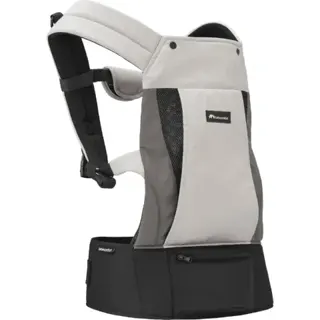 Bebe ConfortPhysionest ergonomic baby carrier, Gray Mist – Bébé Confort990 DHView product
 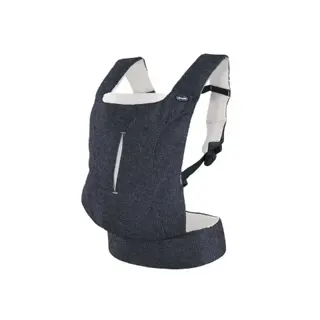 −42 %ChiccoMyamaki ergonomic baby carrier, Denim Beige, birth-15 kg – Chicco813 DH
instead of 1 390 DHView product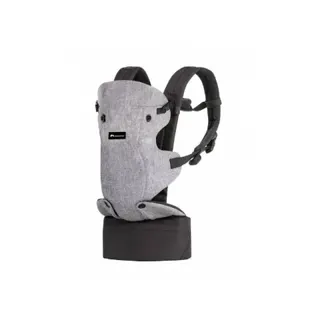 −22 %Bebe ConfortGO4 4-position convertible baby carrier, Black – Bébé Confort537 DH
instead of 690 DHView product −42 %Pasito a PasitoFleur insulated bottle, Gifts for Mums, 500 ml – Pasito a Pasito222 DH
instead of 380 DHView product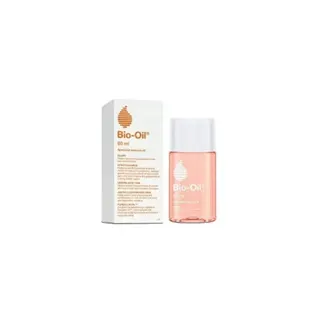 −48 %Bio-OilFace and body skincare oil, 60 ml – Bio-Oil31 DH
instead of 60 DHView product- The whole aisle · Mum’s hygiene8 products online, delivered anywhere in Morocco.Open the aisle
Products sold by La Maison du Bébé, publisher of this magazine. Prices as of 12 October 2026; please check the product page.
Frequently asked questions
Can you do abs exercises with a diastasis?
Not just any. The UK's NHS advises avoiding crunches (sit-ups), the plank and impact sports at first. Pelvic floor and deep abdominal exercises, on the other hand, help close the gap. If it is still clear 8 weeks after the birth, get examined: a physiotherapist will offer a suitable progression before any return to classic exercises.
Does breastfeeding help you lose weight faster?
It can contribute, according to Naître et grandir, but with no precise figure. While breastfeeding, France's national health insurance (Assurance Maladie) mainly asks you not to diet: eat a varied diet, without excess, and drink plenty of water. Pregnancy weight comes off over a few months, and losing 1 to 2 kg a month at most is a reasonable pace, according to the same Quebec guide.
How long should you wear a belly band after childbirth?
No duration is validated, for lack of studies. After a caesarean, an abdominal binder improves comfort over the first two days, according to a meta-analysis published in 2021. Beyond that, nothing shows it helps the belly firm up or a diastasis close. If it makes you feel better, wear it without squeezing and take it off as soon as it hurts, hampers your breathing or irritates the skin.
My belly is still swollen a year later: is that normal?
It happens. Naître et grandir says most of the extra kilos go over the first year, and the 2016 Norwegian study still finds a diastasis in a third of mothers at one year. If your belly stays rounded with a gap you can feel under your fingers, pain or a lump at the navel, ask for an examination: targeted rehabilitation can help.
Sources
- Your post-pregnancy bodyNHS · United Kingdom
- Diastasis recti abdominis during pregnancy and 12 months after childbirth: prevalence, risk factors and report of lumbopelvic pain (Sperstad et al., 2016)British Journal of Sports Medicine · Norway
- Récupérer après l'accouchementNaître et grandir · Canada (Quebec)
- Après l'accouchement : le retour à la maisonAssurance Maladie (ameli.fr) · France
- Recommandations pour la pratique clinique : post-partum (2015)Collège national des gynécologues et obstétriciens français (CNGOF) · France
- Diastasis : définition, causes et traitementElsan, private hospital group · France
- The efficacy of abdominal binders in reducing postoperative pain and distress after cesarean delivery: A meta-analysis of randomized controlled trialsEuropean Journal of Obstetrics & Gynecology and Reproductive Biology (2021), via PubMed · International
- Effectiveness, Feasibility, and Acceptability of Dynamic Elastomeric Fabric Orthoses (DEFO) for Managing Pain, Functional Capacity, and Quality of Life during Prenatal and Postnatal Care: A Systematic ReviewInternational Journal of Environmental Research and Public Health (2019), via PubMed Central · International