



Article contents
Key points
- The right humidity level is between 30 and 50%; above 60%, mould sets in.
- A hygrometer settles the question: measure before you humidify.
- Heating and the chergui can dry the air, but near the sea it is not necessarily dry.
- For a blocked nose, the first step is still a saline nose rinse.
- Choose a cool-mist humidifier, set it below 50% and clean it often.
A little nose that whistles at night, chapped lips, skin that feels tight on waking: when the heating is on or the chergui is blowing, many parents blame dry air. Sometimes rightly. But near the sea, in Casablanca as in Tangier, the air is not necessarily dry, and adding moisture to air that is already humid can do more harm than good.
Here is how to tell whether the air in the bedroom really is too dry, which simple steps bring your baby relief, and when a humidifier helps, provided you use it safely.
What humidity level should your baby's room have?
Relative humidity indicates the amount of water vapour in the air, as a percentage of the maximum possible at that temperature. Health and environmental agencies give very similar guidelines:
| Organisation | Recommended level | Good to know |
|---|---|---|
| Health Canada | 30 to 50% | Above 50%, a dehumidifier can help |
| EPA (United States) | Below 60%, ideally 30 to 50% | Excess humidity encourages mould |
| CPSC (United States) | 30 to 50% | Above 60%, mould and bacteria can grow |
| Mayo Clinic (United States) | 30 to 50% | Condensation encourages dust mites, mould and bacteria |
Remember one simple range: between 30 and 50%. Drier air irritates the nose and skin; more humid air, especially above 60%, feeds mould and dust mites. The US Environmental Protection Agency (EPA) in fact recommends never humidifying a room above 50%.
The humidity level also depends on temperature: for the same amount of water in the air, the warmer the room, the lower the relative humidity. Hence the value of keeping the bedroom at around 18 to 20 °C, as our article on the temperature of your baby's room explains.

How can you tell if the air in the bedroom is too dry?
The only reliable way is to measure. A hygrometer, sold on its own or built into a room thermometer, a baby monitor or some humidifiers, shows the level in real time. The EPA points out that these devices are inexpensive and easy to find.
Certain signs can also point you in the right direction. According to the Mayo Clinic, dry indoor air can irritate the sinuses, chap the lips, dry out the skin, cause discomfort in the nose, throat and eyes, and cause nosebleeds.
- Air too dry: chapped lips, tight skin, dry crusts in the nose, small nosebleeds (see our article on nosebleeds in children).
- Air too humid: condensation on the windows in the morning, a musty smell, black spots in corners or behind furniture, laundry that dries badly.
In Morocco, it all depends on the city and the season
- Near the sea (Casablanca, Rabat, Kenitra, El Jadida), the air is not necessarily dry: measure before humidifying, as the problem is sometimes the opposite.
- Away from the coast, the air can be drier in winter, especially in a heated bedroom.
- Heating and air conditioning lower the humidity in the room.
- The chergui, a hot, dry wind from the Sahara, can lower humidity while it lasts.
Blocked nose, dry skin: what should you do before buying a device?
Dry air does not cause colds, which are caused by viruses. But it dries out the nose, and a blocked nose makes it hard for your baby to feed and to sleep. Before any device, four simple steps:
- Rinse the nose with saline solution, especially before feeds (breast or bottle), recommends ARS Hauts-de-France. The INSPQ advises a saline solution rather than medicated drops or sprays. The step-by-step technique is in our article on rinsing your baby's nose.
- Clear the nose if needed with a nasal aspirator, following the manufacturer's instructions, as the INSPQ suggests.
- Air the bedroom every day and keep it at around 19 °C, without wrapping your baby up too much (ARS Hauts-de-France).
- Moisturise their skin with a baby lotion or cream if it feels tight; if it turns red, itches or weeps, talk to the doctor. Our article on cradle cap and eczema helps you tell the difference.
For how a cold usually develops and the signs that should alert you, also read our article on colds in babies.
From the shop
Blocked nose, cold: the care-kit essentials
Single-dose saline, saline drops, nasal aspirators and thermometers: the essentials when your baby has a cold.
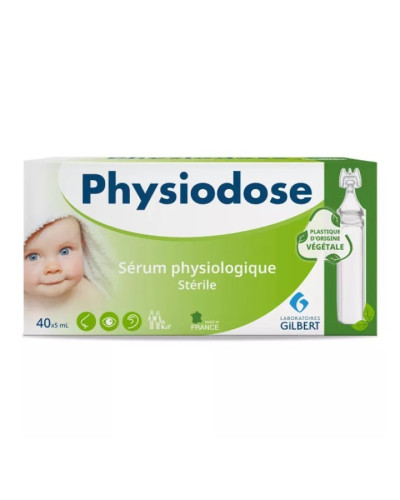 Laboratoires GilbertGilbert PHY Bébé Sérum physiologique 40 unidoses de 5 mlView product
 Laboratoires GilbertGILBERT PHY SERUM PHYSIOLOGIQUE 20U 5mlView product
 Laboratoires GilbertGILBERT PHY SERUM PHYSIOLOGIQUE 30U 5mlView product
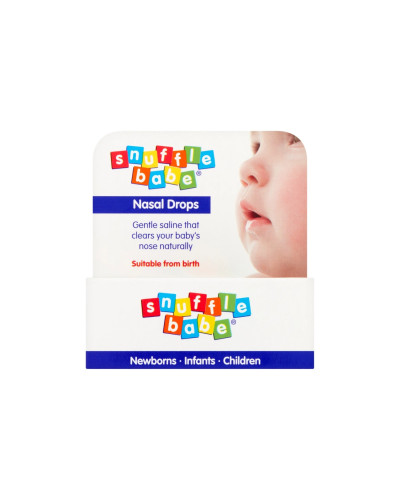 Snufflebabe (Dendron Brands)Snufflebabe gouttes nasales salines pour bébé dès la naissance 10 mlView product
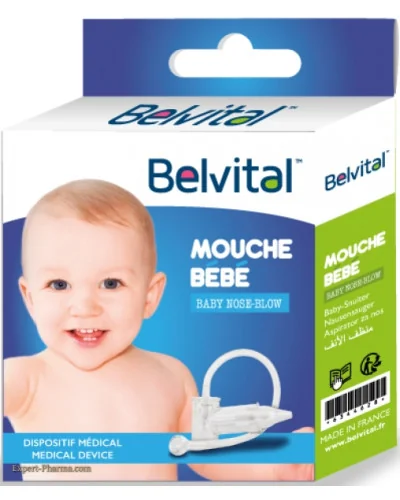 BelvitalManual nasal aspirator from birth BelvitalView product
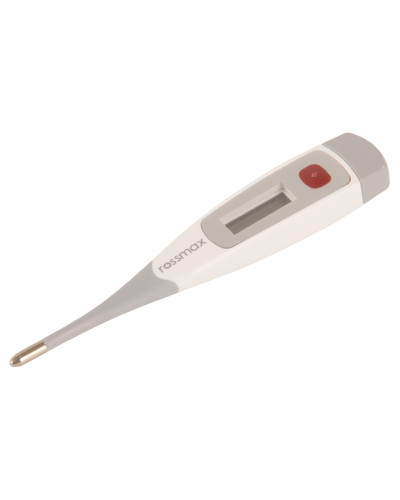 RossmaxRossmax Digital Thermometer with Flexible TipView product
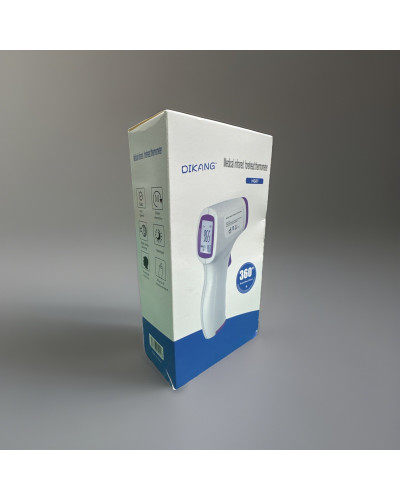 DikangDikang Non-Contact Forehead ThermometerView product
- The whole aisle · All nasal aspiratorsDelivered anywhere in Morocco, free from 300 DH.Open the aisle
Products sold by La Maison du Bébé, publisher of this magazine. Please check price and availability on the product page.
Is a humidifier useful for a baby?
It can be, in one specific case: when the hygrometer consistently shows below 30%, for example in a heated bedroom or during a chergui spell. The American Academy of Pediatrics (AAP) lists a humidifier among the comfort measures for a cold, if the air in the home is dry.
It is not a treatment: it replaces neither nose rinsing nor a medical consultation. And if the room already reads above 50%, it will do no good. Do not confuse it with an air purifier either: a purifier filters particles but adds no water to the air, so it is not a humidifier.
If you buy one, choose a cool-mist model, with a built-in hygrometer or a humidity setting. Babymoov's Hygro humidifier, cool-mist with a humidity display, is in our humidifiers aisle; it was out of stock at the time of publication, so check its availability on its product page.
From the shop
For their skin when the air is dry
Baby care lotions and creams, to apply to clean, well-dried skin, and a gentle cleansing cream for bath time.
 UriageUriage BEBE - 1ER LAIT HYDRATANT 500MLView product
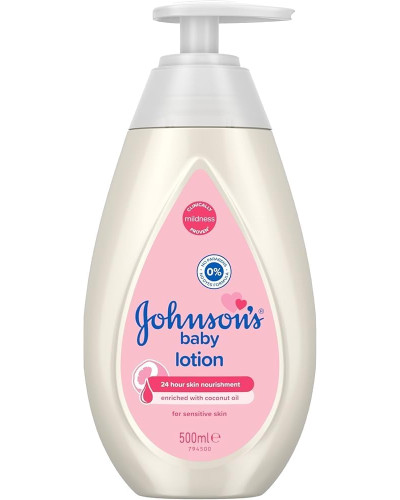 Johnson's (Kenvue)Johnson's Baby Lotion lait pour bébé flacon pompeView product
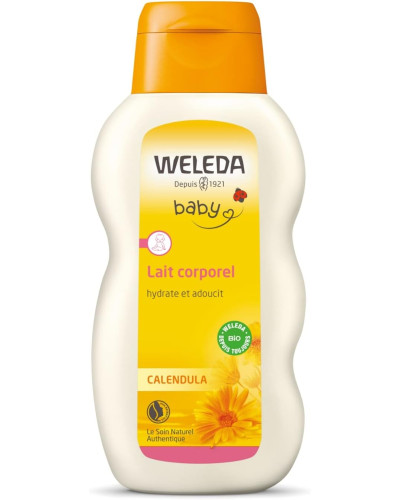 WeledaWeleda Baby Lait hydratant corps au calendula 200 mlView product
 LansinohLotion corporelle hydratante Earth Friendly Baby lavande 250 ml LansinohView product
 Laboratoires GilbertCold Cream 50 ml GilbertView product
 UriageUriage BEBE - 1ERE CREME LAVANTE 500MLView product
- The whole aisle · All moisturising careDelivered anywhere in Morocco, free from 300 DH.Open the aisle
Products sold by La Maison du Bébé, publisher of this magazine. Please check price and availability on the product page.
What are the risks of a humidifier, and how can you avoid them?
- Mould and bacteria: standing water in the tank lets them multiply, and breathing in this mist can cause lung problems, warns the US Consumer Product Safety Commission (CPSC). Young children may be more sensitive to it, according to the EPA.
- Burns: hot steam and boiling water from a vaporiser can burn a child; the Mayo Clinic always recommends cool mist for children, and for croup the NHS advises against making a child breathe in steam or putting them in a steamy room.
- White dust: ultrasonic models disperse the minerals in tap water, which settle as a fine white dust (EPA).
- Air too humid: above 50%, you leave the recommended range; above 60%, moisture can condense on surfaces, where mould and bacteria grow (CPSC).
The maintenance that makes all the difference
- Empty, dry and refill the tank every day (EPA, CPSC).
- Clean the device every three days, unplugged, following the instructions, then rinse well (EPA, Mayo Clinic).
- Use demineralised or distilled water, which limits limescale and dust (EPA, CPSC).
- Set it below 50% and keep an eye on the hygrometer.
- Place it out of reach, on stable furniture, away from the cot, with the cord tidied away.
- If your baby coughs or breathes less easily since you started using it, switch the device off and talk to the doctor, the EPA advises.
Frequently asked questions
What is the right humidity level for a baby's room?
Between 30 and 50%, according to Health Canada, the US Environmental Protection Agency (EPA) and the Mayo Clinic. Below that, dry air irritates the nose, lips and skin; above 60%, mould and dust mites grow. Measure with a hygrometer, at cot height, in the evening and the morning, before deciding to humidify or, on the contrary, to air the room more.
Is 70% humidity in a baby's room a problem?
Yes, that is too humid for a bedroom. Above 60%, moisture can condense on surfaces, where mould and bacteria grow, warns the US CPSC. Air the room every day, do not dry laundry in it, check the corners and behind furniture, and above all do not use a humidifier. Health Canada suggests a dehumidifier when humidity stays above 50%.
Can dry air give a baby a blocked nose?
Dry air does not cause colds, but it dries out the nose and mucus, which can bother your baby. The Mayo Clinic notes that dry indoor air can irritate the sinuses and cause discomfort inside the nose. The first step is still a saline nose rinse, especially before feeds (breast or bottle). A humidifier is only worthwhile if the hygrometer confirms really dry air, below 30%.
Should I use a humidifier when my baby has a cold?
Only if the air in the bedroom is dry. The American Academy of Pediatrics lists a humidifier among the comfort measures for a cold in that specific case. Choose a cool-mist model, set below 50%, and clean it often. It does not replace nose rinsing, nor seeing a doctor if your baby is breathing fast, drinking less or has a fever.
Can I put tap water in a humidifier?
Demineralised or distilled water is better, advise the US EPA and CPSC. Tap water contains minerals that form limescale, a breeding ground for germs, and that ultrasonic models disperse as a fine white dust. The EPA specifies that bottled mineral or spring water is not demineralised. Change the water every day.
Air purifier or humidifier: what is the difference?
A purifier filters the air, a humidifier adds water to it. A HEPA-filter purifier traps fine airborne particles, such as dust, but adds no water to the air: it is not a humidifier. Maxi-Cosi's Clean 3-in-1 purifier, for example, combines purification, a night light and soothing sounds, with no humidifier function. If the air is dry, only a humidifier raises the level.
Sources
- Guide to addressing moisture and mould indoorsHealth Canada
- A Brief Guide to Mold, Moisture and Your HomeEPA (Environmental Protection Agency)
- Use and Care of Home HumidifiersEPA (Environmental Protection Agency)
- Dirty Humidifiers May Cause Health ProblemsCPSC (Consumer Product Safety Commission)
- Humidifiers: Ease skin, breathing symptomsMayo Clinic
- Coughs and Colds: Medicines or Home Remedies?American Academy of Pediatrics (HealthyChildren.org)
- Blocked or runny nose in children (in French)INSPQ (Mieux vivre avec notre enfant)
- Bronchiolitis: how to protect your child (in French)ARS Hauts-de-France (regional health agency)
- Warm-mist versus cool-mist humidifier: Which is better for a cold?Mayo Clinic
- CroupNHS