





Article contents
Key points
- Refusing the bottle is common in breastfed babies: it is neither naughtiness nor a failure.
- Offer the bottle when your baby is calm and not too hungry, preferably from someone other than you.
- A slow-flow teat, the bottle held horizontally and regular pauses let your baby drink at their own pace.
- A sudden refusal, especially at night, can come from a cold, teething, thrush or an ear infection.
- Fewer than 4 wet nappies a day, a dry mouth or a very floppy baby: see a doctor without waiting (emergency: 141).
Going back to work is getting closer, grandma is going to look after your baby for a few hours, or you simply dream of an evening off. You have expressed your milk, prepared the bottle… and your baby turns their head away, cries, chews the teat without drinking. Sometimes it is even a baby who happily took their evening bottle who refuses it from one day to the next.
Rest assured: this is a common situation, especially in breastfed babies, and it is usually solved with patience and a few adjustments. Here are the most common causes, the gentle methods recommended by paediatric organisations, the alternatives to the bottle and the signs that mean you should see a doctor. If it is the breast your baby is refusing, read our article on nursing strikes instead.
Why is my baby refusing the bottle?
Refusal rarely has a single cause. Here are the most common, according to the American Academy of Pediatrics (AAP), the British NHS and Québec's INSPQ:
- A preference for the breast: a breastfed baby associates feeding with your smell, your skin and your voice. When you are the one offering the bottle, they often ask for the breast.
- A flow that does not suit them: too fast, and they choke, cough or let milk dribble out; too slow, and they get frustrated or fall asleep before drinking enough.
- The teat itself: its shape, length or material. Some babies accept one model and refuse another.
- The temperature: tested on the inside of your wrist, the milk should feel lukewarm or cool, never hot (NHS). If needed, go over how to make up a bottle.
- The timing: a very hungry, tired or unsettled baby does not take well to something new.
- Physical discomfort: blocked nose, teething, thrush, ear infection. We come back to this below.
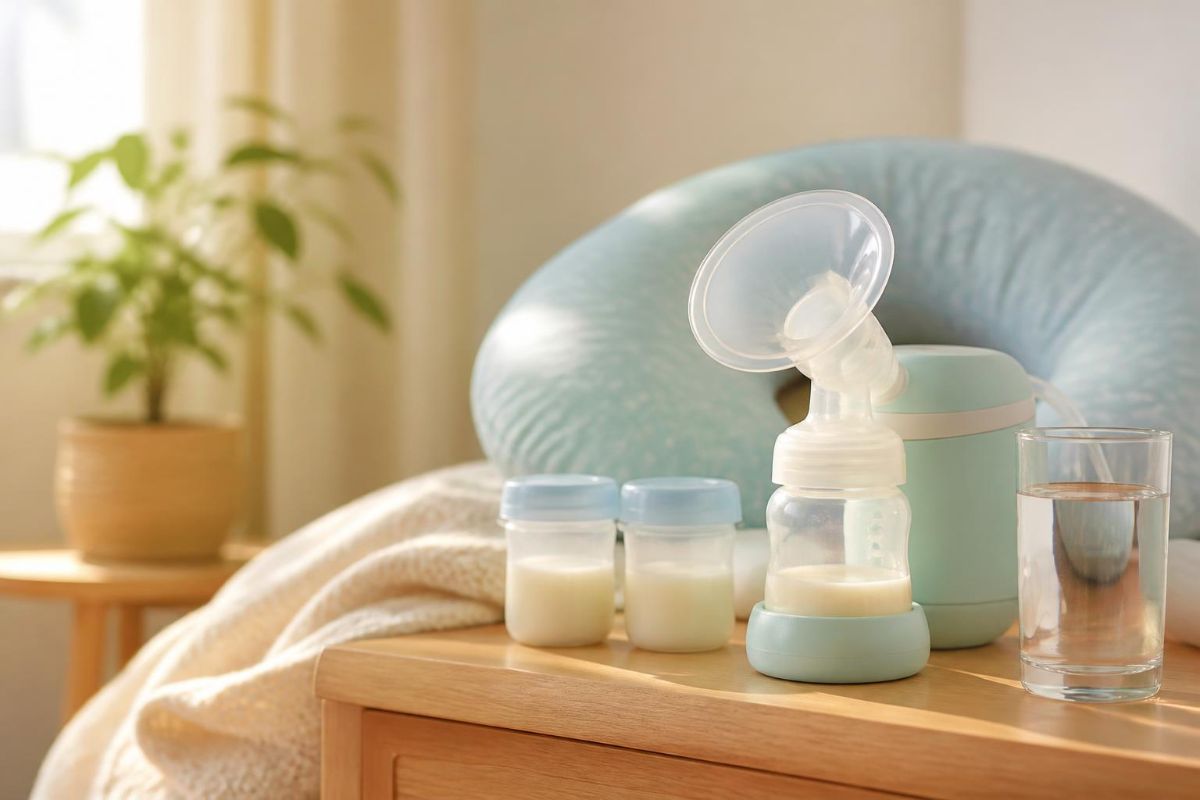
Breastfed baby refusing the bottle: how can you help them accept it?
The recommendations of the AAP, the NHS and the INSPQ agree on the essentials:
- Choose the right moment: an hour or two after a breastfeed, when your baby is awake, in a good mood and not too hungry.
- Hand over: dad, grandma or the future childminder gives the bottle, while you quietly leave the room. Your baby can no longer smell your milk and does not ask for you.
- Start small: about fifteen millilitres of breast milk are enough for the first tries (the AAP talks of about half an ounce).
- Let them come to it: put a drop of milk on their lips, wait for them to open their mouth wide, then let them explore the teat without pushing it in.
- Change the setting: a different position from the one you breastfeed in, a quiet room, or walking a few steps while rocking them.
- Stop before a meltdown: if they get upset or nothing happens after about ten minutes, do not insist and try again the next day.
Stick with the same method for a few days before concluding it does not work: the AAP advises trying each teat or container several days in a row. If you are going back to work, start the trials a few weeks before the date, as the NHS suggests, and get organised with our article on going back to work after maternity leave. If you plan to combine breast and bottle in the long term, also read our guide to combination feeding.
Which teat should you choose for a breastfed baby?
There is no miracle teat, but a few guidelines help:
- A slow flow: your baby should suck actively, as at the breast. The INSPQ recommends a slow-flow teat for breastfed babies.
- The bottle held almost horizontally, with pauses: tilt it down or gently remove the teat every few sips. Your baby keeps control of the pace.
- A wide, soft teat, often called "physiological", mimics the shape of the breast. Some babies take to it straight away, others prefer a narrower teat: try one model for several days before changing.
- A flow suited to their age: if your 4- or 5-month-old gets frustrated on a newborn teat, try the next flow up; if they choke, go back to the previous one.
To compare shapes and materials, see our guide to choosing a baby bottle.
| What you notice | Possible cause | What you can try |
|---|---|---|
| They cough, choke, milk runs out of the corner of their mouth | Flow too fast | Slower-flow teat, bottle more horizontal, pauses |
| They suck hard, get frustrated, then let go or fall asleep | Flow too slow | Next flow up, suited to their age |
| They cry as soon as they see you with the bottle | Preference for the breast | Bottle given by someone else, out of your sight |
| They suck for a few seconds then turn away crying | Discomfort: blocked nose, gums, mouth, ear | Clear the nose (ask your pharmacist), look inside their mouth, see a doctor if needed |
| They refuse milk straight from the fridge | Temperature | Milk warmed in a bowl of warm water and tested on your wrist, never in the microwave |
From the shop
Bottles and teats for breastfed babies
Wide, soft teats in several flows, to find the one your baby accepts.
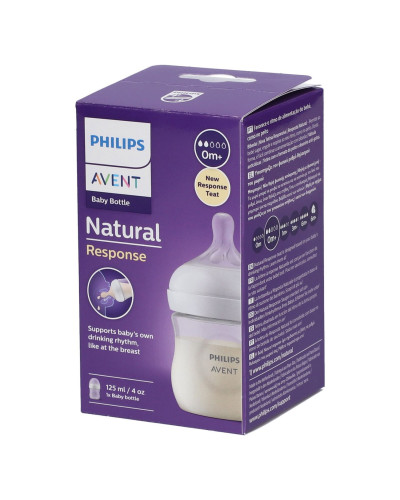 Philips AventPhilips Avent Natural Response Bottle 125 mlView product
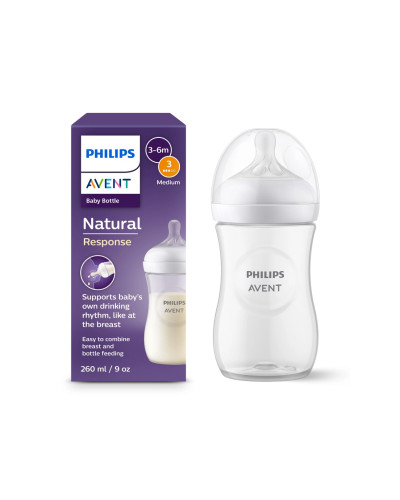 Philips AventPhilips Avent Biberon Natural Response 260 mlView product
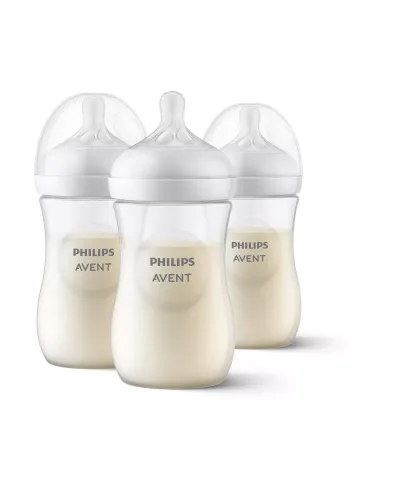 Philips AventPhilips Avent Coffret de 3 biberons Natural ResponseView product
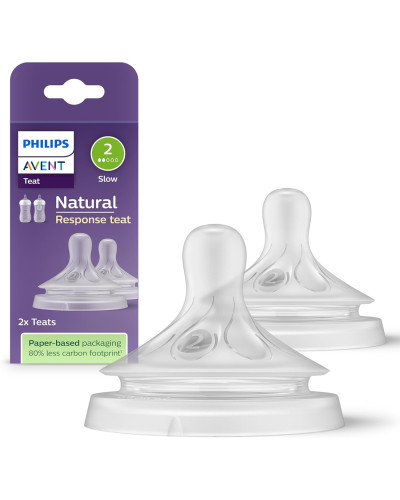 Philips AventPhilips Avent Natural Teats Flow 2 (pack of 2)View product
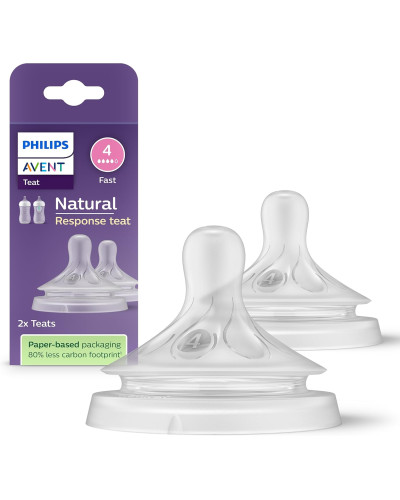 Philips AventPhilips Avent Natural Teats Flow 4 (pack of 2)View product
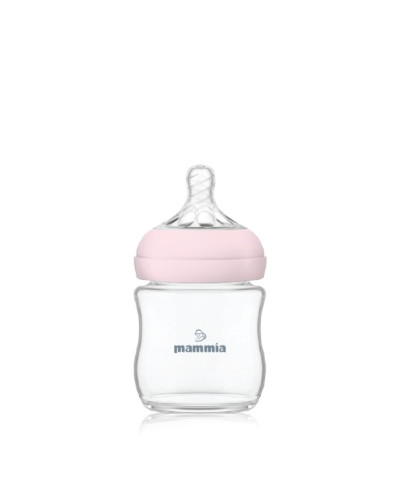 MAMMIAMammia Natural Feeling Bottle 120 ml PinkView product
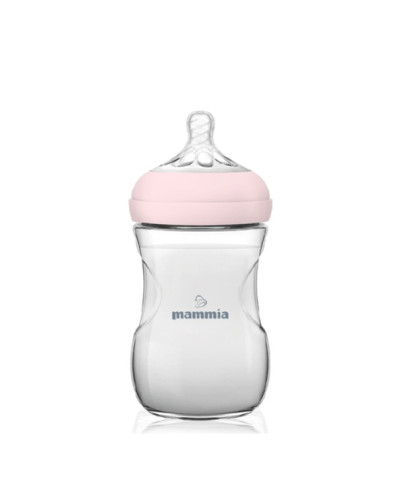 MAMMIAMammia Natural Feeling Bottle 240 ml PinkView product
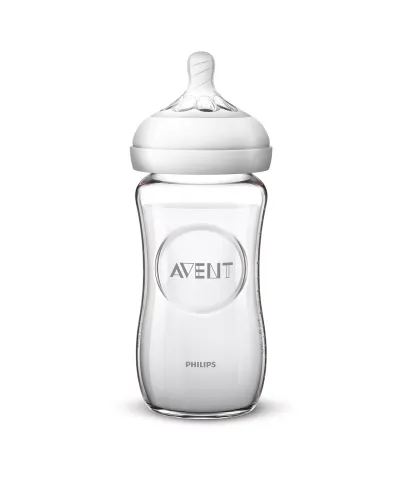 Philips AventPhilips Avent Natural 240 ml glass bottleView product
- The whole aisle · All bottles and teatsDelivered anywhere in Morocco, free from 300 DH.Open the aisle
Products sold by La Maison du Bébé, publisher of this magazine. Please check price and availability on the product page.
Why does a baby suddenly refuse the bottle, especially at night?
When a baby who was drinking well suddenly refuses, first look for what is bothering them or what has changed:
- A cold: a blocked nose makes sucking difficult. Ask your pharmacist or doctor how to clear their nose before the bottle.
- Teething: red, sore gums, dribbling, wanting to chew everything, restless sleep (NHS).
- Thrush: white patches in the mouth. The NHS specifies that an affected baby may not want to feed; show it to the doctor.
- An ear infection or a fever: Naître et grandir lists colds, ear infections, teething and thrush among the causes of breast refusal; they can also get in the way of bottle-feeding.
- A change: a new teat, a new formula, a new person, a trip, or intense heat when the chergui blows. The INSPQ notes that a baby who is too hot drinks less.
And at night?
At night, your baby is tired and mainly looking for comfort. A breastfed baby may then ask for the breast rather than the bottle, even if they accept it during the day. If they drink well during the day, have wet nappies and are growing normally, a refused night bottle is not a cause for concern. If they refuse to drink day and night, or if the refusal comes with fever or unusual crying, see a doctor.
Cup, spoon, beaker: what are the alternatives to the bottle?
The bottle is not compulsory. Several health organisations suggest other solutions:
- A small cup: the AAP notes that some babies, even very young ones, prefer a small cup (such as a medicine cup) or a spouted cup to the bottle. Hold your baby upright and let them take small sips at their own pace.
- A spoon: Raising Children Network (Australia) suggests offering milk in a small cup or by spoon, handy for a few millilitres of expressed milk.
- A learner cup: according to the NHS, a baby of 6 months or older who can drink from a cup does not necessarily need a bottle. The NHS advises offering a cup from about 6 months: an open cup or a free-flow cup without a valve helps them learn to sip.
For an infant under 6 months, ask your midwife or paediatrician to show you how to cup-feed.
From the shop
Cups and beakers to drink another way
An open cup, straw cups or soft-spouted cups, for babies of around 6 months and older who prefer to drink like the big ones.
 Maxi-CosiDomino cup with non-slip base Maxi-CosiView product
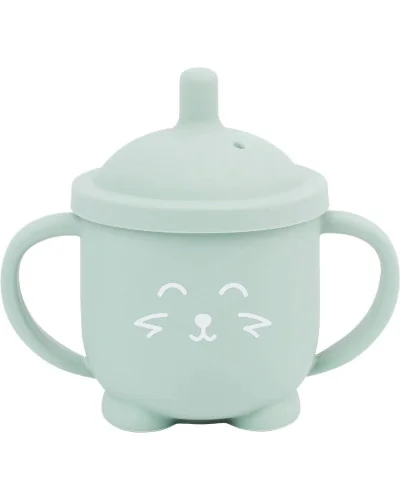 BabymoovIsy silicone straw cup Fox BabymoovView product
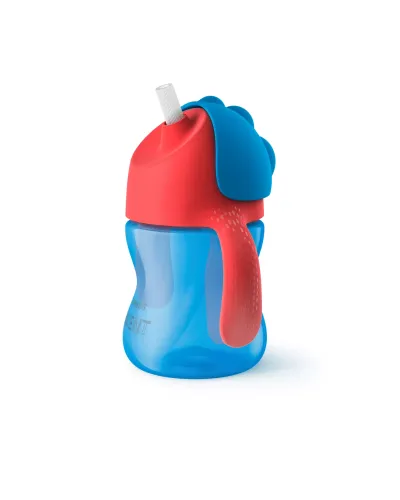 Philips AventPhilips Avent straw cup with handles, 200 ml, blueView product
 SaroNon-spill cup cookie SaroView product
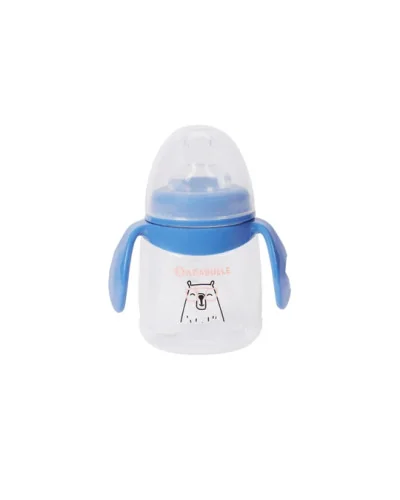 BadabulleLeak-proof cup with soft silicone spout 180 ml BadabulleView product
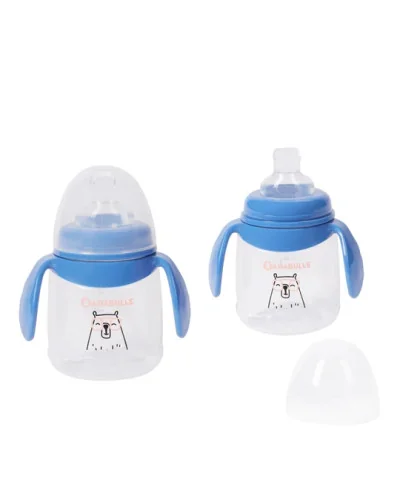 BadabulleLeak-proof cup with soft silicone spout 180 ml pack of 2 BadabulleView product
- The whole aisle · All baby cupsDelivered anywhere in Morocco, free from 300 DH.Open the aisle
Products sold by La Maison du Bébé, publisher of this magazine. Please check price and availability on the product page.
Baby refusing to drink: when should you worry?
A breastfed baby who refuses the bottle but feeds well at the breast is not in danger: they are drinking, just differently. Things change if they drink little overall. To know their needs, see our article on how much milk by age. The signs of dehydration to know, according to the Canadian Paediatric Society:
- fewer than 4 wet nappies a day in an infant;
- a dry mouth, tongue and skin, no tears;
- sunken eyes, a sunken fontanelle (the soft spot on the head);
- greyish skin, a fast heartbeat.
Frequently asked questions
When should I give a breastfed baby their first bottle?
When breastfeeding is well established, which often takes a few weeks. The NHS does not set a precise age: it advises waiting until you and your baby are comfortable with breastfeeding. If you are going back to work, start the trials a few weeks before the date. Introduce formula gradually, to limit the risk of full, tender breasts and mastitis.
My 4-month-old refuses the bottle: is this normal?
It is not unusual, and it is not serious if they feed well at the breast and have wet nappies. First check the teat flow: a newborn flow can become too slow at this age. Offer the bottle in a quiet room, from someone else, when they are not starving. Also think of temporary discomfort: a cold, teething or thrush.
Should I let my baby get hungry so they take the bottle?
No. A starving baby gets upset and refuses even more. The AAP and the NHS advise offering the bottle when your baby is calm and not too hungry, for example an hour or two after a breastfeed. Naître et grandir points out that you should neither force nor starve a baby. If the attempts fail, take a break and try again the next day.
Should the milk in the bottle be warm?
No, it should be lukewarm or cool, never hot. The NHS advises putting a few drops on the inside of your wrist before giving the bottle. Never heat a bottle in the microwave: it heats unevenly and can burn your baby's mouth. A bowl of warm water or a bottle warmer lets you warm the milk more gently.
Can a cup replace the bottle?
Yes, especially from 6 months. The NHS indicates that a baby of 6 months or older who can drink from a cup does not necessarily need a bottle. The AAP even observes that some younger babies prefer a small cup. Hold your baby upright, let them drink at their own pace, and ask a professional to show you how before 6 months.
What if my baby also refuses the breast or any drink?
See your doctor quickly. Fewer than 4 wet nappies a day, a dry mouth, no tears or a sunken fontanelle are signs of dehydration according to the Canadian Paediatric Society. Refusing to drink with fever or repeated vomiting should also be reported. If your baby is very floppy or hard to wake, call the SAMU on 141.
Sources
- Introducing the BottleAAP (HealthyChildren.org)
- How to combine breast and bottle feedingNHS
- Drinks and cups for babies and young childrenNHS
- Combining breast and bottle, Mieux vivre avec notre enfant (in French)INSPQ
- Bottle-feeding difficulties, Mieux vivre avec notre enfant (in French)INSPQ
- Bottle-feeding babies: giving the bottleRaising Children Network
- How to make up baby formulaNHS
- Baby teething symptomsNHS
- Oral thrush (mouth thrush)NHS
- Weaning from breastfeeding (in French)Naître et grandir
- Dehydration and diarrhea in children: Prevention and treatmentCanadian Paediatric Society (Caring for Kids)