






Article contents
Key points
- Folic acid is taken before conception and until 12 weeks.
- Vitamin D: 10 µg a day according to the NHS; the WHO does not advise it for everyone.
- Iron: for everyone according to the WHO, only if your level is low according to the NHS.
- Iodine, omega-3 and calcium come first from your plate.
- No vitamin A in the form of retinol, and no self-medication.
At the pharmacy, the boxes of "pregnancy vitamins" all look alike. Your mother recommends one thing, a friend swears by another, and the internet suggests ten. Yet needs are specific: some supplements are recommended for everyone, others only in case of deficiency, and too much of certain nutrients is not without risk.
Here, nutrient by nutrient and then trimester by trimester, is what the WHO, the HAS, the NHS, the EFSA and the ACOG say. Use this article to prepare your questions: it is your doctor, your midwife or your pharmacist who adapts the advice to your test results.
Do you really need to take vitamins during pregnancy?
Yes for some, but not for all. The NHS points out that a healthy, varied diet provides most of the vitamins and minerals needed during pregnancy. It does, however, recommend two supplements: folic acid and vitamin D.
Practices vary from country to country. In the United States, the ACOG, the college of obstetricians and gynaecologists, recommends a daily prenatal supplement for pregnant women, the NIH reports. The WHO recommends a daily iron and folic acid supplement for all pregnant women, but does not recommend vitamin D for everyone. The NHS, for its part, advises folic acid and vitamin D, and iron only if your level is low. In Morocco, follow your doctor's advice.
Another important point: for most vitamins and minerals, safety limits apply to the total from food and all supplements combined, the US NIH points out. Two products taken together can therefore exceed the recommended doses. For your plate, follow our guidelines on eating well during pregnancy.
Which vitamins and minerals matter during pregnancy?
| Nutrient | What it does | What the authorities recommend | Where to find it |
|---|---|---|---|
| Folic acid (B9) | Closure of the baby's neural tube | 400 µg a day, from conception to 12 weeks (WHO, HAS, NHS) | Lentils, chickpeas, spinach, oranges |
| Vitamin D | Bones and teeth, with calcium | 10 µg a day (NHS); not for everyone according to the WHO | Sunlight, oily fish, eggs |
| Iron | Preventing anaemia in the mother | Depending on the blood test (NHS); iron and folic acid for everyone according to the WHO | Red meat, pulses, dried fruit |
| Iodine | Mother's thyroid, baby's development | Total intake of 200 µg a day, food included (EFSA); iodised salt first (WHO) | Iodised salt, fish, dairy products |
| Omega-3 (DHA) | Fetal nervous system | Fish twice a week, including one oily fish (ANSES) | Sardines, mackerel |
| Calcium | Baby's bones and teeth | Supplement only if your diet provides little (WHO) | Lben, raïb, yoghurts, pasteurised cheeses |
Folic acid (vitamin B9)
This is the priority, ideally even before conception: 400 µg a day until 12 weeks of pregnancy. Everything is detailed in our article on folic acid.
Vitamin D
The NHS advises 10 µg of vitamin D a day during pregnancy and breastfeeding, at least from September to March, and all year round if you rarely go out, cover your skin outdoors or have dark skin. Rarely going out, covered skin: these situations exist in Morocco too, where the sun is therefore not always enough. The WHO, for its part, does not recommend vitamin D for all pregnant women. Your doctor can measure your vitamin D level before deciding. The NHS reminds you not to exceed 100 µg a day.
Iron: two approaches depending on the country
A lack of iron causes tiredness and can lead to anaemia. The NHS only advises a supplement if your blood iron level becomes low. The WHO, on the contrary, recommends iron and folic acid for all pregnant women, to prevent anaemia in the mother, infection after the birth, low birth weight and premature birth. In Morocco, follow your doctor's advice: they decide based on your blood test. Do not take iron yourself "just in case". Signs and diet: see anaemia in pregnancy.
Iodine
The EFSA puts the adequate intake at 200 µg a day during pregnancy and breastfeeding, compared with 150 µg for an adult woman: this is a total intake, food included, not a supplement dose. The WHO and UNICEF rely first on iodised salt: a supplement is only routinely recommended where this salt is hard to obtain. Choose salt labelled "iodised", without using more of it. If you have a thyroid condition, read thyroid and pregnancy.
Omega-3 (DHA)
Omega-3s are essential for the development of the fetal nervous system. ANSES, the French food safety agency, advises pregnant women to eat fish twice a week, including one oily fish. Sardines, the star of our coasts, are one of them, as is mackerel. Avoid swordfish, marlin, siki (a deep-sea shark), shark and lamprey, limit tuna, and never eat raw or smoked fish. If you do not eat fish, talk to your doctor about a supplement.
Calcium
Calcium is essential for your baby's bones and teeth (NHS). It comes mainly from dairy products: lben (fermented milk), raïb (set yoghurt), yoghurts, pasteurised cheeses. The WHO recommends a supplement only in populations whose diet is low in calcium, to reduce the risk of pre-eclampsia, and always on prescription.
Which vitamins should you take each trimester?
Here is a simple guide, to check with your doctor at each appointment.
| Period | Don't forget | To discuss with your doctor |
|---|---|---|
| Planning a baby | Folic acid 400 µg a day | Pre-pregnancy check-up, current treatments, higher dose if needed |
| 1st trimester | Folic acid until 12 weeks, iodised salt, well-cooked fish | Vitamin D, retinol-free multivitamin, nausea |
| 2nd trimester | Fish twice a week, dairy products, iron-rich foods | Iron depending on the blood test, vitamin D |
| 3rd trimester | The same varied plate, good hydration in summer | Iron depending on the blood test, calcium if you eat little dairy |
| Breastfeeding | Vitamin D, iodine, fish | A supplement suited to breastfeeding |
In the first trimester, nausea sometimes makes taking tablets difficult. Do not stop them without talking about it: your doctor or pharmacist can suggest another form or another time of day. After that, the routine blood tests serve in particular to spot a lack of iron as the pregnancy progresses.
Which vitamins should you avoid during pregnancy?
Unsure about a box you have already started? Bring it to your next appointment: the ingredients are listed on the packaging.
How do you choose a pregnancy multivitamin?
If your doctor advises a multivitamin, compare the labels with them or with your pharmacist: formulas vary a lot, the NIH points out. The right criteria:
- 400 µg of folic acid;
- no retinol: vitamin A should be provided as beta-carotene;
- vitamin D, around 10 µg;
- iodine;
- iron, to be discussed if you have already been prescribed some;
- only one multivitamin at a time.
Our pregnancy and breastfeeding supplements aisle offers the Pregnacare range. According to the manufacturer's product sheets (vitabiotics.com, UK version: check the label on your box), Pregnacare Original provides, in one tablet, 400 µg of folic acid, 10 µg of vitamin D, iodine and iron, with beta-carotene and no retinol. Pregnacare Plus Omega-3 adds a 300 mg DHA capsule; Pregnacare Max combines tablets with calcium and the same capsule. These supplements do not replace a varied diet and are taken after medical advice.
From the shop
The Pregnacare range, from conception to breastfeeding
Supplements to choose with your doctor or pharmacist, depending on your stage and your test results.
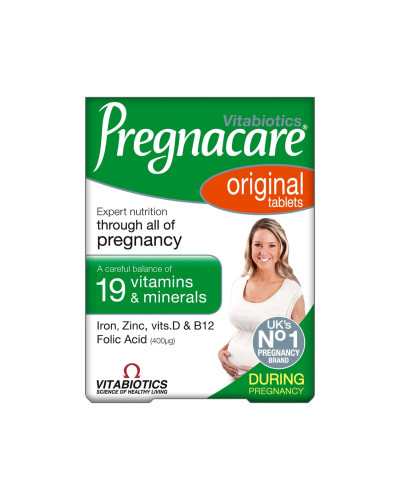 VitabioticsVitabiotics Pregnacare Original vitamines grossesse 30 comprimésView product
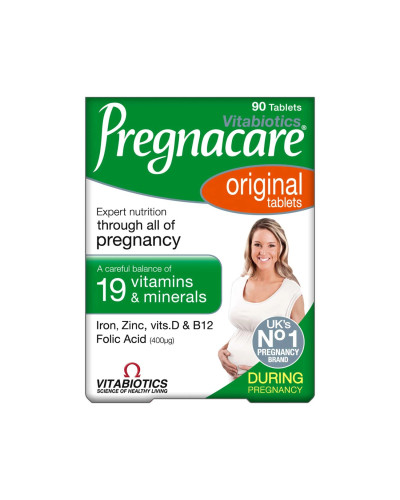 VitabioticsVitabiotics Pregnacare Original (90 tablets)View product
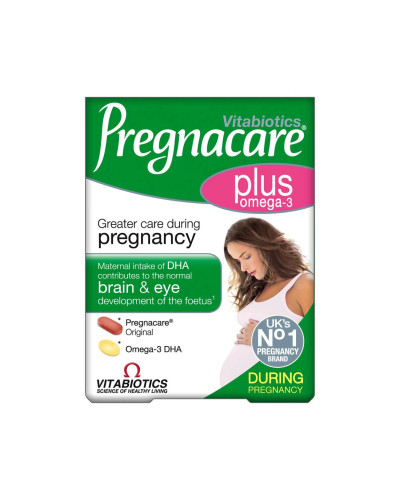 VitabioticsVitabiotics Pregnacare Plus Oméga-3 DHA 28 comprimés + 28 capsulesView product
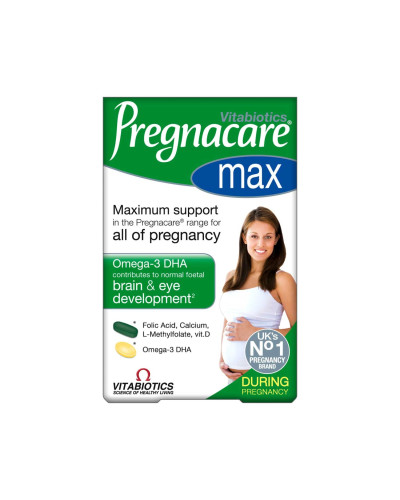 VitabioticsVitabiotics Pregnacare Max 56 comprimés + 28 capsules oméga-3View product
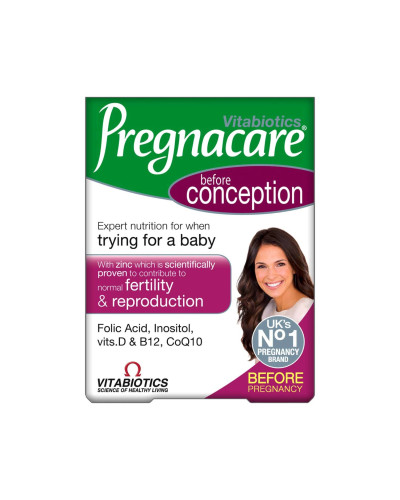 VitabioticsVitabiotics Pregnacare Conception 30 comprimésView product
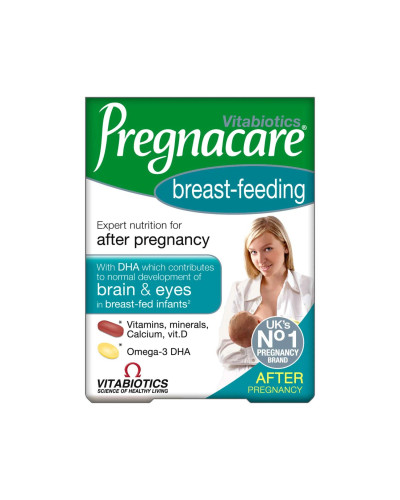 VitabioticsVitabiotics Pregnacare Breast-feeding allaitement 56 comprimés + 28 capsulesView product
- The whole aisle · All pregnancy and breastfeeding supplementsDelivered anywhere in Morocco, free from 300 DH.Open the aisle
Products sold by La Maison du Bébé, publisher of this magazine. Please check price and availability on the product page.
Which vitamins should you take while breastfeeding?
Your needs remain high for as long as you breastfeed. The NHS advises breastfeeding mums to consider 10 µg of vitamin D a day, at least in autumn and winter. The EFSA keeps the same recommended iodine intake as during pregnancy, 200 µg a day, food included. Keep up the fish, dairy products and iodised salt, and drink when you are thirsty, especially when the chergui blows.
According to the manufacturer, Pregnacare Breast-feeding combines tablets (including vitamin D, iodine, calcium, iron and folic acid) and an omega-3 capsule with 300 mg of DHA. As during pregnancy, ask your doctor's advice, especially if you have had anaemia. Our tips for your plate are in eating well while breastfeeding.
From the shop
To support breastfeeding day to day
Breast pads, nipple care, bras and milk storage containers for the first weeks.
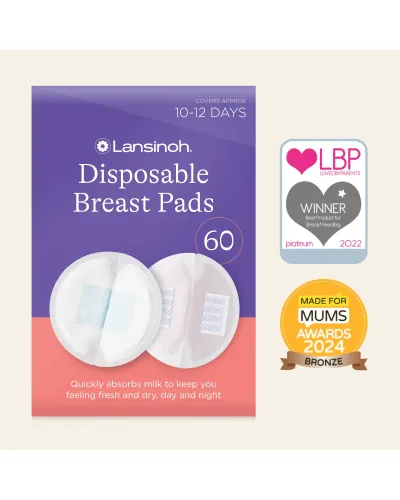 LansinohLansinoh disposable breast pads x60View product
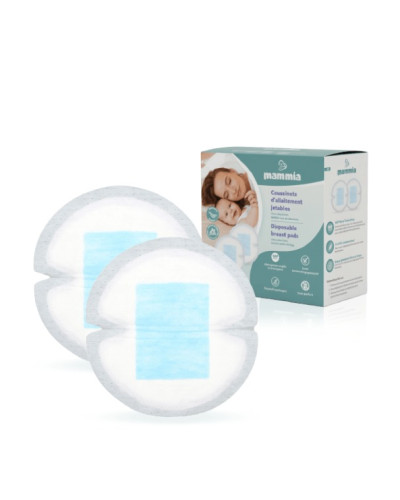 MAMMIAMammia Coussinets d'allaitement jetables, boîte de 30View product
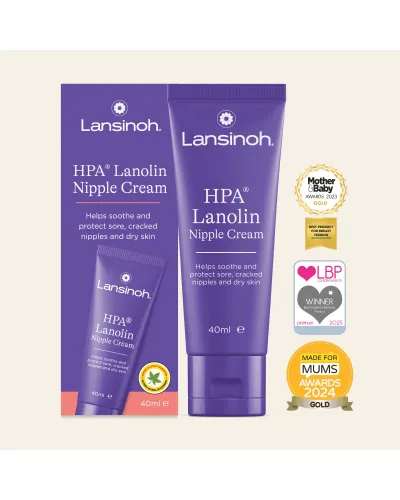 LansinohLansinoh HPA Lanolin nipple cream 40 mlView product
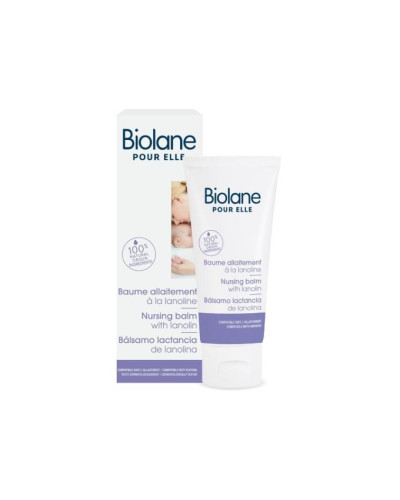 BiolaneBiolane Lanolin Nursing Balm 40 mlView product
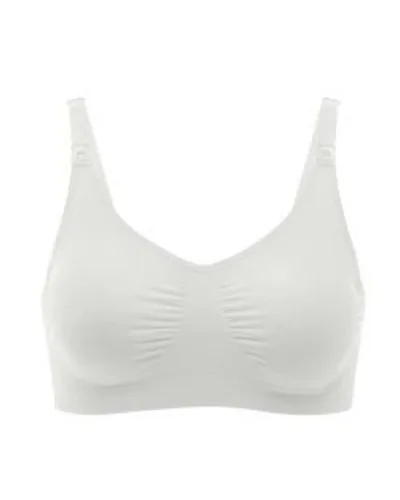 MedelaPregnancy and nursing bra S MedelaView product
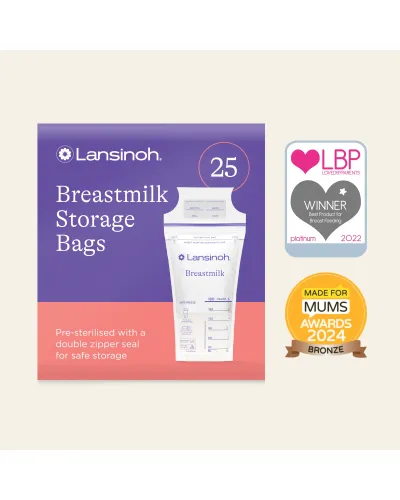 LansinohLansinoh breastmilk storage bags x25View product
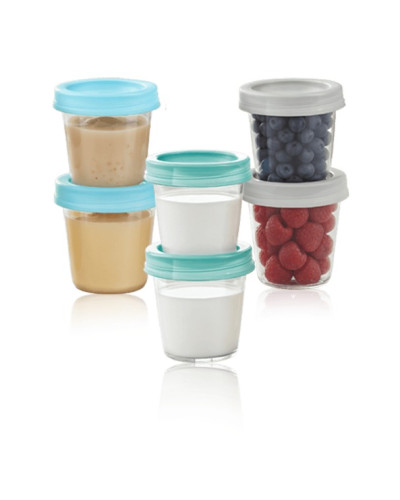 MAMMIAMammia Pots de conservation pour lait maternel et repas de bébéView product
- The whole aisle · Everything for breastfeedingDelivered anywhere in Morocco, free from 300 DH.Open the aisle
Products sold by La Maison du Bébé, publisher of this magazine. Please check price and availability on the product page.
Frequently asked questions
Should I take vitamins from the start of pregnancy?
Yes for folic acid, ideally even before conception: 400 µg a day until 12 weeks of pregnancy, according to the WHO, the HAS and the NHS. The NHS also advises 10 µg of vitamin D a day; the WHO does not recommend it for everyone. For iron, the WHO advises iron and folic acid for all pregnant women, the NHS only if your level is low: in Morocco, follow your doctor's advice.
Can I take a pregnancy multivitamin and iron at the same time?
Only if your doctor decides you should. Many pregnancy multivitamins already contain iron, and safety limits apply to the total from food and all supplements combined, the NIH points out. Show your multivitamin box to the doctor who prescribes you iron: they will adjust the treatment to avoid an excess.
Do I need vitamin D during pregnancy if I live in Morocco?
It depends on your sun exposure and your test results. The NHS advises 10 µg a day for pregnant women, at least from September to March, and all year round if they rarely go out or cover their skin. The WHO does not recommend it for everyone. In Morocco too, a mostly indoor life or covering clothes limit what the sun provides: follow your doctor's advice, as they can measure your vitamin D.
Can I take cod liver oil when pregnant?
No. The NHS advises against taking cod liver oil and any supplement containing vitamin A in the form of retinol during pregnancy. In high doses, this preformed vitamin A can cause birth defects. For omega-3s, choose fish twice a week instead, including sardines, or a retinol-free supplement recommended by your doctor.
Are omega-3 supplements essential during pregnancy?
Not necessarily. ANSES advises eating fish twice a week, including one oily fish such as sardines or mackerel: it is a source of omega-3 and iodine. If you eat little or no fish, a DHA supplement can be discussed with your doctor. Avoid predatory fish such as swordfish or shark, and limit tuna.
Should I keep taking vitamins after giving birth?
Often yes, especially if you are breastfeeding. The NHS advises breastfeeding mums to consider 10 µg of vitamin D a day, at least in autumn and winter, and the EFSA keeps a recommended iodine intake of 200 µg a day, food included. If you had anaemia during pregnancy or after the birth, your doctor may also continue the iron. Ask at your postnatal check-up.
Sources
- Vitamins, supplements and nutrition in pregnancyNHS
- Daily iron and folic acid supplementation during pregnancyWHO
- Vitamin D supplementation during pregnancyWHO
- Iodine supplementation in pregnant and lactating womenWHO
- Calcium supplementation during pregnancy to reduce the risk of pre-eclampsiaWHO
- Scientific Opinion on Dietary Reference Values for iodine (2014)EFSA
- Dietary Supplements and Life Stages: PregnancyNIH Office of Dietary Supplements
- Should pregnant women avoid eating fish? (in French)Santé.fr (ANSES recommendations)
- Planning a pregnancy: information, prevention messages and tests to offer (evidence report, 2009) (in French)HAS (Haute Autorité de Santé)
- Vitamin DNHS