








Article contents
Key points
- Before 6 months, night feeds are normal: do not try to stop them, your baby will space them out on their own.
- Between 6 and 12 months, some babies can do without them, others cannot: about 94% of breastfed babies still feed at least once a night.
- Milk left in the mouth during sleep encourages tooth decay, even breast milk.
- Go in small steps: less milk, water instead, then a cuddle or a comforter after age 1.
- Never put your baby to bed with a bottle in their cot to comfort them.
It is 3 am, and it is the third waking. Your baby is 10 months old and eats their meals well, but still asks for their bottle or the breast to get back to sleep. You are exhausted, going back to work is coming up or has already happened, and the family comments: "At their age, they should be sleeping through the night!"
Stopping night feeds is possible, but not at just any age or in just any way. Here are the guidelines from health organisations, a gradual method that does not involve leaving your baby to cry, the particular case of breastfed babies and the mistakes to avoid, especially for their future teeth.
At what age can a baby stop feeding at night?
There is no magic age, but the guidelines from health organisations agree:
| Age | What health organisations say | In practice |
|---|---|---|
| 0 to 3 months | A newborn may wake every 2 to 3 hours to feed (Naître et grandir). | Feed on demand, day and night. |
| 3 to 6 months | Night feeds are still normal; they become fewer and some babies sleep for longer (NHS). | Do not drop them: your baby spaces them out on their own. |
| 6 to 12 months | For some babies, night feeds are no longer needed (NHS). Yet about 94% of breastfed babies still feed at least once a night (Naître et grandir). | Cutting down gently is possible if your baby is growing well: talk to your paediatrician. |
| After 12 months | The AAP advises completing the move from bottle to cup between 12 and 18 months. | A good time to replace the night bottle with water, a cuddle or a comforter. |
Before you start, check with your paediatrician that your baby is gaining weight well along their curve, eating well during the day and is not ill. Our article on how much milk by age helps you gauge their needs. Also bear in mind that a baby who no longer feeds at night does not necessarily sleep straight through: at 12 months, about half of babies sleep 6 hours in a row (Naître et grandir). The other causes of waking are detailed in baby not sleeping through the night.

Does a night bottle cause tooth decay?
It can encourage it. When your baby falls asleep while drinking, milk stays in their mouth and saliva can no longer clean the teeth. France's national health insurance (ameli) talks of "bottle caries": baby teeth can turn black as soon as they come through, decay and even fall out.
- The risk concerns formula, juices and sugary drinks, but also breast milk, ameli points out.
- Naître et grandir lists sleeping with a bottle of milk or juice among the risk factors for tooth decay, and indicates that breastfeeding at night after 12 months also seems to play a part.
- A child who has tooth decay very young is more likely to have more (ameli).
If you breastfeed at night, don't panic: Naître et grandir specifies that there is no need to stop breastfeeding, but that you should take good care of the teeth. Brush them from the first tooth with a smear of fluoride toothpaste suited to their age (ameli). All our tips are in brushing your baby's teeth.
How do you stop the night bottle gently?
The gradual method gives your baby time to adapt. Raising Children Network, the Australian reference website for parents, suggests dropping one bottle at a time, leaving about 3 days between steps; many parents leave the night bottles until last. Go at your own pace:
- Move the evening milk: give the last bottle during the bedtime routine, before brushing teeth, and no longer to get your baby to sleep.
- Gradually reduce the amount in the night bottle, down to a few sips.
- Offer water instead, in a cup or a straw bottle. After 6 months, small amounts of water are fine (Raising Children Network); to know which water to choose, read which water to give your baby in Morocco.
- Hand over: the other parent gets up. Without the smell of mum's milk, babies often ask less.
- Replace it with comfort: a cuddle, a soft song, a hand on their tummy. The AAP advises building a new bedtime routine (cuddles, a story, soft music) rather than giving in to the bottle.
- Stay consistent: the same response every night helps your baby understand what is changing.
The bedtime routine remains your ally: bath, pyjamas, clean nappy, story and dim lighting, the NHS advises. Find our ideas in how to get your baby to sleep.
From the shop
For water at night: cups and straw bottles
A soft-spouted cup or a straw bottle, kept outside the cot, to replace milk with a few sips of water.
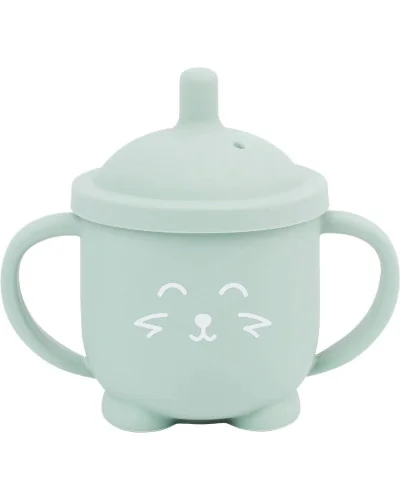 BabymoovIsy silicone straw cup Fox BabymoovView product
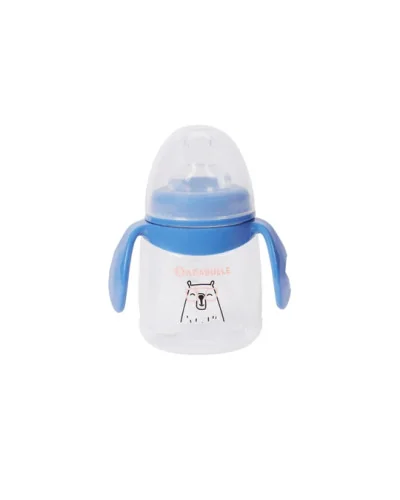 BadabulleLeak-proof cup with soft silicone spout 180 ml BadabulleView product
 SaroNon-spill cup cookie SaroView product
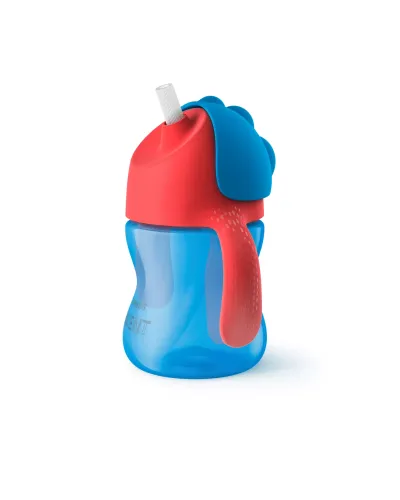 Philips AventPhilips Avent straw cup with handles, 200 ml, blueView product
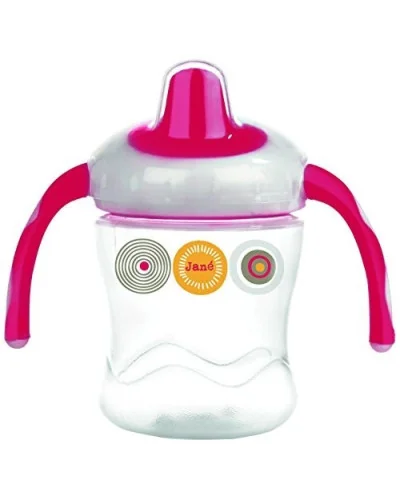 JanéSpill-proof cup with handles red with anti-drip valve JanéView product
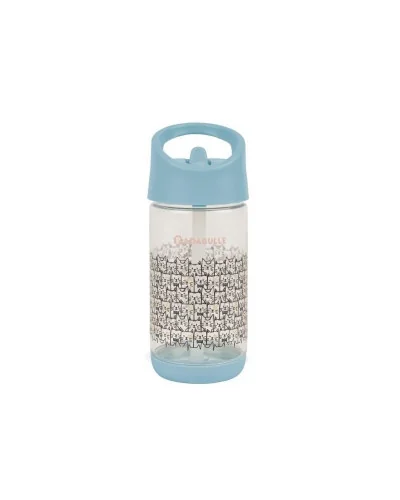 BadabulleWater bottle with straw from 12 months BadabulleView product
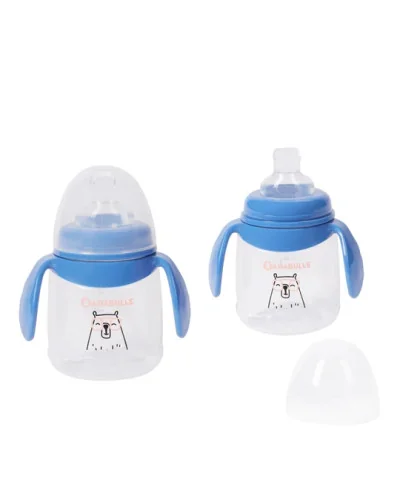 BadabulleLeak-proof cup with soft silicone spout 180 ml pack of 2 BadabulleView product
 Maxi-CosiDomino cup with non-slip base Maxi-CosiView product
- The whole aisle · All baby cupsDelivered anywhere in Morocco, free from 300 DH.Open the aisle
Products sold by La Maison du Bébé, publisher of this magazine. Please check price and availability on the product page.
Breastfed baby: how do you stop night feeds?
Stopping night feeds does not mean weaning. The WHO recommends continuing breastfeeding up to 2 years or beyond, and many parents keep the bedtime feed and the waking feed (INSPQ). The INSPQ's weaning advice also applies to middle-of-the-night feeds, with a few adjustments:
- Shorten the feed gradually, then delay it by a few minutes by first offering a cuddle or rocking (INSPQ).
- Change habits: avoid the armchair your baby associates with feeding (INSPQ); the other parent can comfort your baby and settle them back to sleep in their arms.
- Drop one feed at a time, never two in a row at first, and wait until your breasts no longer feel full and tender before the next (INSPQ).
- Ease your breasts if they are full in the morning: express just a little milk, or let it flow under a warm shower.
- Postpone if your baby is ill (INSPQ). It is also best not to start during a busy period (going back to work, Ramadan, holidays).
To find out more, our article on weaning from breastfeeding details partial weaning and full, tender breasts.
From the shop
A soft light for night wakings
To comfort your baby without switching on the ceiling light and settle them back to sleep in the half-dark.
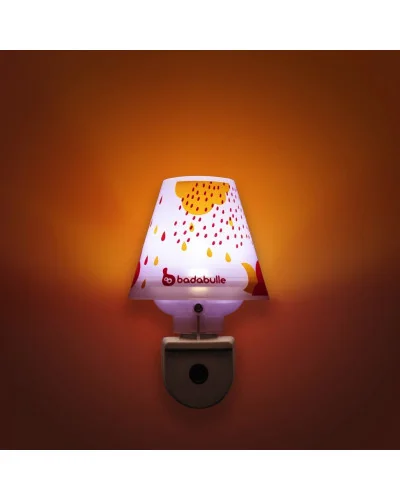 BadabulleAutomatic wall night light Pink Drops BadabulleView product
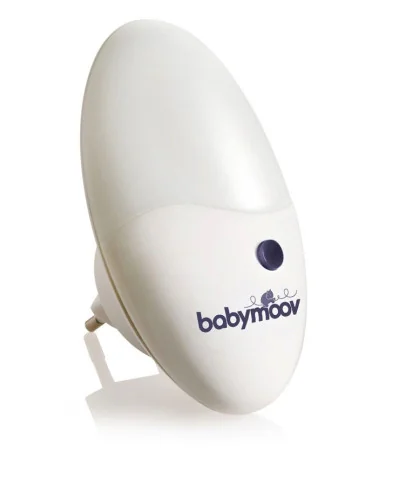 BabymoovWall night light BabymoovView product
 Maxi-CosiSoothe connected musical night light Maxi-CosiView product
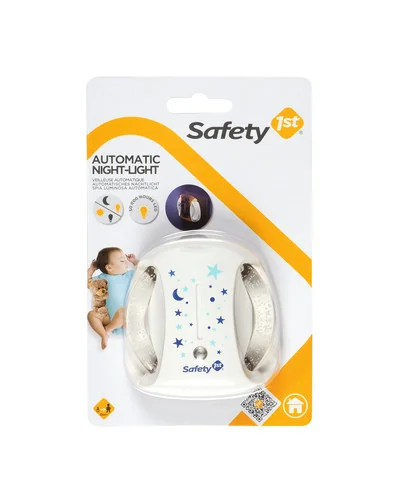 Safety 1stArctic automatic night light Safety 1stView product
 BadabullePortable night light lamp Mouton Lily pink BadabulleView product
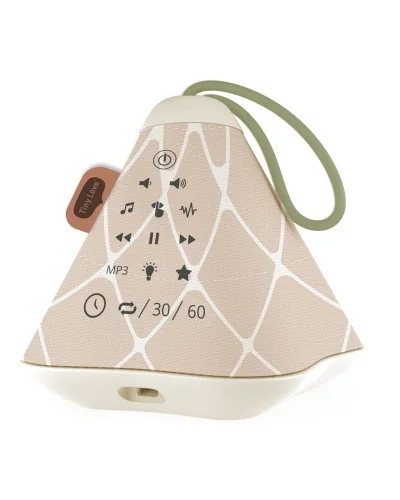 Tiny LoveTiny Dreamer 3-in-1 musical projector night light Boho Chic Tiny LoveView product
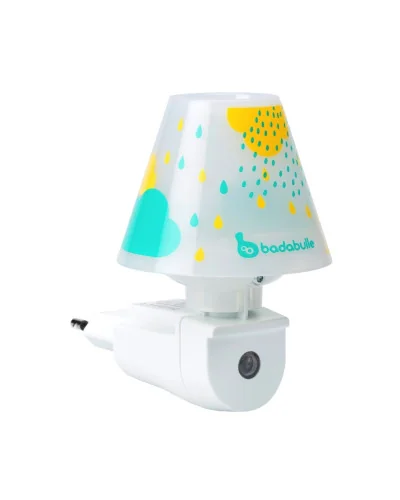 BadabulleWall night light Blue Drops BadabulleView product
 ChiccoProjector Next2 Stars neutral beige ChiccoView product
- The whole aisle · All night lightsDelivered anywhere in Morocco, free from 300 DH.Open the aisle
Products sold by La Maison du Bébé, publisher of this magazine. Please check price and availability on the product page.
What mistakes should you avoid when stopping night feeds?
- Putting your baby to bed with a bottle in their cot: the AAP asks parents never to put a baby in their cot with a bottle to comfort them. During sleep, there is less saliva to protect the teeth (Raising Children Network).
- Replacing milk with juice or a sugary drink: ameli advises against any bottle of milk, juice or fizzy drink at bedtime. Water remains the drink for the night.
- Stopping everything overnight in the middle of teething, illness or a house move.
- Leaving a baby under 6 months to cry: according to Naître et grandir, graduated waiting methods should not be used before this age. Read our article should you leave your baby to cry?
- Putting a comforter, cushion or blanket in the cot before 12 months: the AAP asks for an empty cot, with just a fitted sheet, throughout the first year. After that, a comforter can become the new companion for wakings.
From the shop
A comforter for night-time reassurance, from age 1
Before 12 months, the comforter is for cuddles and awake time; it only joins your baby in the cot after their first birthday.
 DoomooYou&Me reversible comforter Beige DoomooView product
 Tiny LoveGarden of Adventures bunny comforter and rattle gift set Tiny LoveView product
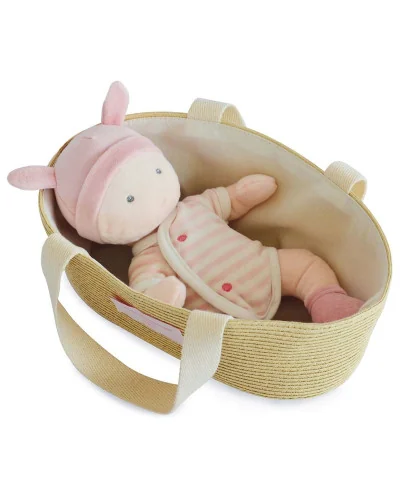 Doudou et CompagnieDoll comforter pink with Moses basket Doudou et CompagnieView product
 Doudou et CompagnieYoca le Koala pyjama holder soft toy Doudou et CompagnieView product
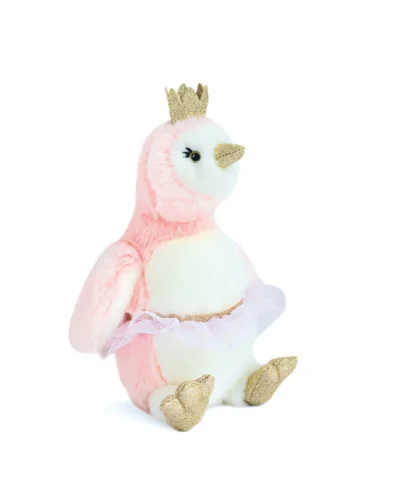 Histoire d'OursPigloo soft toy Pink 30 cm Histoire d’OursView product
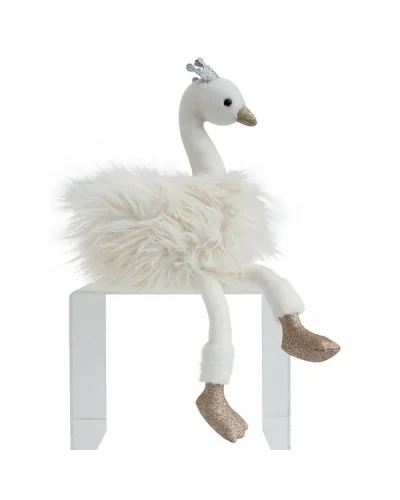 Histoire d'OursSwan soft toy White 30 cm Histoire d'OursView product
- The whole aisle · All comfortersDelivered anywhere in Morocco, free from 300 DH.Open the aisle
Products sold by La Maison du Bébé, publisher of this magazine. Please check price and availability on the product page.
Frequently asked questions
At what age does a baby no longer need a bottle at night?
There is no single age. The NHS indicates that between 6 months and 1 year, some babies no longer need to feed at night, but not all: about 94% of breastfed babies aged 6 to 12 months still feed at least once a night, according to Naître et grandir. After 1 year, the AAP advises completing the move to a cup between 12 and 18 months.
My 1-year-old still wants a bottle at night: is that a problem?
It is not serious, but it is the right time to change the habit. Naître et grandir and Raising Children Network advise stopping the bottle at around 12 months, particularly to protect the teeth. Gradually replace the milk with water, offer a cuddle and a comforter, keep the same routine every evening, and ask your paediatrician if in doubt.
Can I give water at night instead of milk?
Yes, from 6 months, small amounts of water are fine, according to Raising Children Network; before that age, ask your paediatrician. Offer it in a spouted cup or a straw bottle: the AAP suggests moving water from the bottle to the cup to ease the transition. Water leaves no sugar on the teeth, unlike milk, juice or sugary drinks.
Do I need to stop breastfeeding at night to prevent tooth decay?
No. Naître et grandir indicates that breastfeeding at night after 12 months seems to be associated with tooth decay, but specifies that there is no need to stop breastfeeding: above all, you need to take care of the teeth. Ameli advises cleaning them as soon as they come through with a smear of fluoride toothpaste suited to the child's age, then brushing at least once a day from the first molars.
How long does it take to drop the night bottle?
Most often a few days to a few weeks, depending on your baby's age and the number of feeds. Raising Children Network suggests dropping one bottle at a time, leaving about 3 days between steps, and many parents leave the night bottles until last. Go at your child's pace: if they are ill or teething, take a break and start again when they are better.
Can a comforter replace the night bottle?
Yes, from age 1, a comforter can help your baby get back to sleep without milk. To comfort a child who is giving up the bottle, Raising Children Network suggests an extra cuddle or story, or a soft toy to take to bed. Before 12 months, the AAP asks for an empty cot: the comforter is then kept for cuddles and awake time, never in the cot.
Sources
- Helping your baby to sleepNHS
- Baby's sleep (in French)Naître et grandir
- From Bottle to Cup: Helping Your Child Make a Healthy TransitionAAP (HealthyChildren.org)
- Sleeping Through the NightAAP (HealthyChildren.org)
- How to Keep Your Sleeping Baby Safe: AAP Policy ExplainedAAP (HealthyChildren.org)
- Why baby teeth matter and the risk of tooth decay in toddlers (in French)Assurance Maladie (ameli)
- Dental hygiene and preventing tooth decay (in French)Naître et grandir
- Weaning off the bottleRaising Children Network
- Infant and young child feeding (fact sheet)WHO
- Weaning from breastfeeding, Mieux vivre avec notre enfant (in French)INSPQ