




Article contents
Key points
- Ashura falls on the 10th of Muharram, the first month of the Hijri year.
- Toys, fakia, couscous and the chouâla: in Morocco, it is above all a children’s festival.
- Firecrackers injure children’s eyes and hands every year: none at all for children.
- Burn: 20 minutes under cool running water, then see a doctor.
- A safe toy: right age, “Cم” mark, no part small enough to fit through a toilet roll tube.
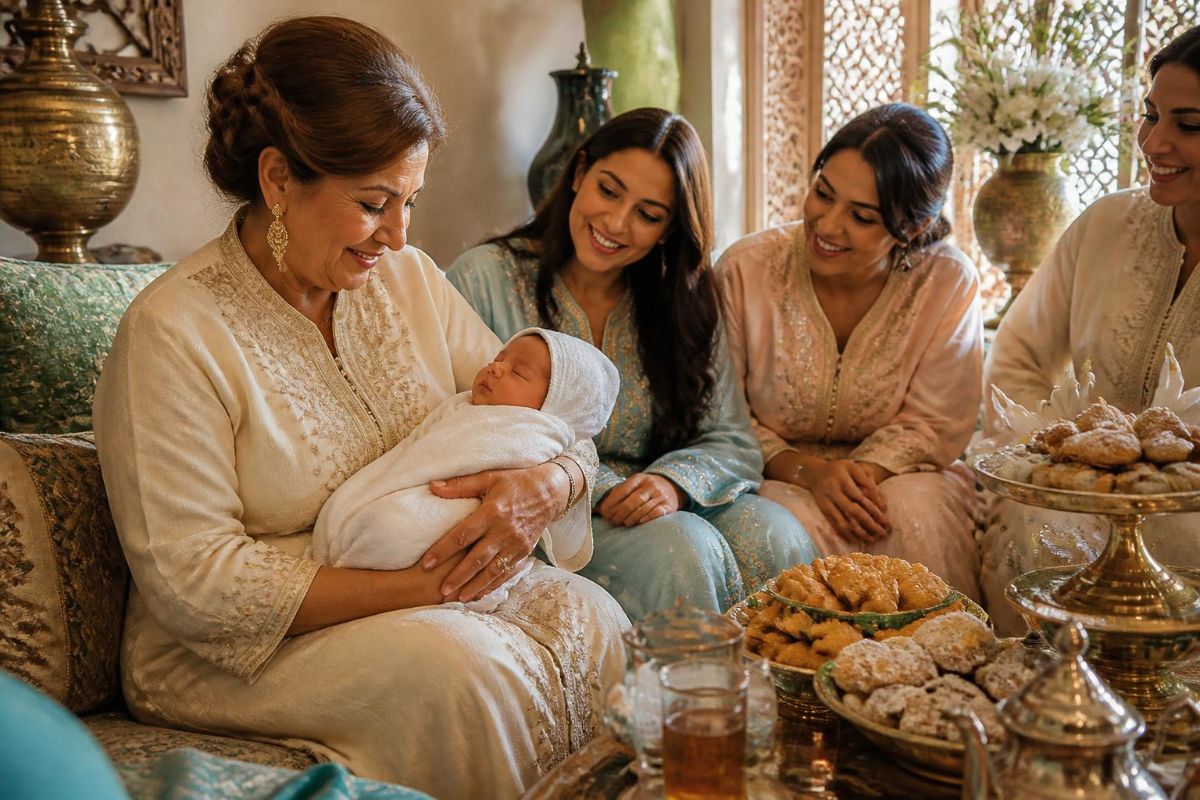
A few days before Ashura (Achoura, as it is written in Morocco), market stalls overflow with dolls, water pistols and cuddly toys, and toy sellers make most of their sales for the year, the Moroccan daily Le Matin noted in 2018. For children it is a festival like no other: presents, dried fruit, water flying through the streets and a big bonfire at night.
Every year, it is also a time when emergency departments see children with burns or eye injuries caused by firecrackers. Here are the traditions of the festival, what you need to know to enjoy it without accidents, and gift ideas suited to each age.
What is Ashura, and why is it the children’s festival?
Ashura falls on the 10th of Muharram, the first month of the Hijri year; its name comes from the Arabic word ashara, “ten”. For many Sunni Muslims it is a day of gratitude, associated with the story of Moses being saved from Pharaoh, and many people fast on that day, Hespress points out.
In Morocco, the festival has long been associated with childhood, family, sharing and charity, according to Le Matin. Families buy new clothes and toys, such as dolls, water pistols and cuddly toys, and children receive a little pocket money. People hand out fakia, the mix of dried fruit and nuts made up of dates, almonds, walnuts, raisins and figs, and visit one another. In some regions, seven-vegetable couscous is prepared, often with gueddid, the dried meat kept from Eid al-Adha, Hespress explains.
With toddlers, be careful with the dried fruit: whole nuts are among the foods that carry a choking risk, as our guide to foods to cut up or avoid for little ones explains.
Chouâla, zamzam, Baba Aichour: rituals that vary
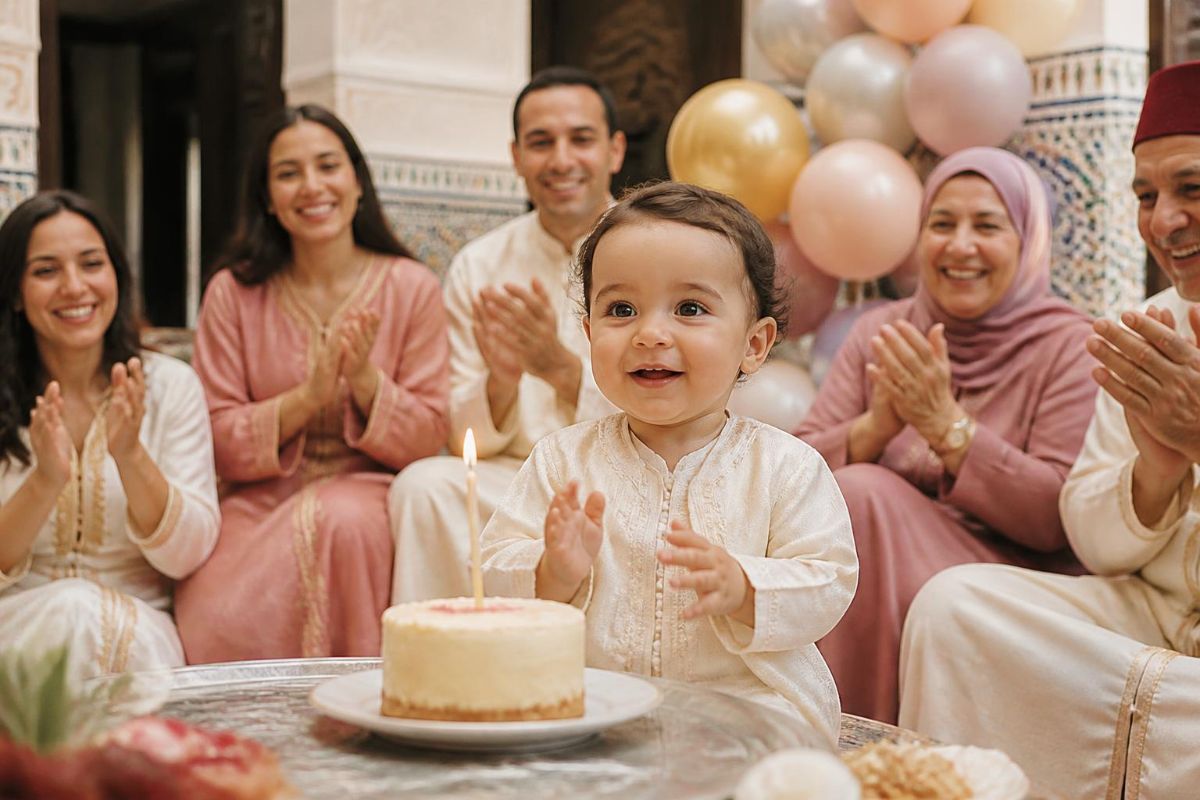
Customs change from one region and neighbourhood to another. Le Matin noted in 2018 that they hold on in some working-class districts and are fading elsewhere. The main ones:
- The chouâla (or chaâla): the big bonfire lit in the evening, around which young and old sing and dance together, to tunes handed down from generation to generation. Hespress reports that it is meant to ward off evil spirits.
- Zamzam (or zem-zem): the day when children, often under 12, are allowed to splash neighbours, friends and passers-by with water. Hespress links the game to the well of Zamzam in Mecca and sees it as a symbol of purification.
- Baba Aichour: a legendary figure, a kind of Moroccan Father Christmas, who appeared on the eve around the fire to tell stories, hand out sweets and presents and get the children singing. The custom, which had disappeared for nearly a century, is reviving in some neighbourhoods, according to Hespress.
- Visits to cemeteries and shrines, and incense burned during the evening gatherings, depending on the region.
Firecrackers and fireworks: a real danger to eyes and hands
This is the dark side of the festival. Importing and selling firecrackers and fireworks is officially banned in Morocco, but they circulate through smuggling. In less than a month in 2023, police seized more than 1.6 million units in the Casablanca-Settat region alone, some of them “extremely dangerous”, Le Matin reported.
The consequences are serious. In the run-up to Ashura 2023, around ten young people had just been admitted to the paediatric ophthalmology department of the 20-Août hospital in Casablanca. Dr Tayeb Hamdi, a doctor and health policy researcher, described eye and face injuries that can lead to loss of sight, amputated fingers or hands, and burns. That same year, a 13-year-old boy died in Mohammedia after being hit by a pyrotechnic device. And every year, hospitals record severe burns and eye injuries, Hespress reminded readers again in 2025.
Paediatrician Saïd Afif, president of the Casablanca Association of Private Paediatricians, urged parents to be more vigilant. In practice:
- no firecrackers for children, not even “small” ones, not even under supervision;
- explain why to older children, who face pressure from their friends;
- keep little ones well away from groups setting off firecrackers in the street;
- never pick up a firecracker that has not gone off.
The chouâla bonfire and water games: enjoying them safely
The evening fire fascinates children. Keep the youngest in your arms or well back, tie long hair up, and do not let anyone throw anything into the flames. An adult stays by the fire until it is out.
If there is a burn, the UK’s NHS recommends holding the area under cool running water for 20 minutes, removing clothing and jewellery around the burn unless it is stuck to the skin, then covering it loosely with cling film. No cream, oil or butter, and do not pop blisters.
For zamzam, go for clean water and water pistols rather than buckets, and teach children not to aim at faces. With a toddler, remember that a basin or bucket of water is never left unattended: our advice on preventing drowning and burns at home covers the right habits. Change your child as soon as they are soaked, especially if the evening turns cool.
Which toys to give for Ashura, by age?
The best toy is the one that matches what your child can do and loves to do. A few pointers:
| Age | Gift ideas | Watch out for |
|---|---|---|
| 1 to 2 years | Push or pull toys, stacking and sorting games, simple puzzles, big soft balls, drum or maracas, soap bubbles | Short cord, no small parts |
| 2 to 3 years | Play kitchen, doll and pretend play, big cars, inset puzzles, ride-on or balance bike | Parts firmly attached, right size |
| 3 to 5 years | First board games, bigger puzzles, dressing-up costumes, three-wheel scooter | Age stated on the box |
| 5 years and over | Board games, construction sets, bike or scooter | Protective gear for riding |
The ideas for 1 to 2-year-olds come from the Canadian Paediatric Society, which also notes that pretend play appears around 24 months: that is the age when a play kitchen and pretend play toys really come into their own. The same society advises against screens before age 2; our screen time guidelines by age help you decide for older children. To go further, our guide to educational toys, age by age details each stage, and our ideas for outdoor play by age keep the celebration going.
From the shop
Ashura toys, by age
From puzzles to first board games, by way of the balance bike: gifts that last longer than an afternoon, chosen according to the age the manufacturer recommends.
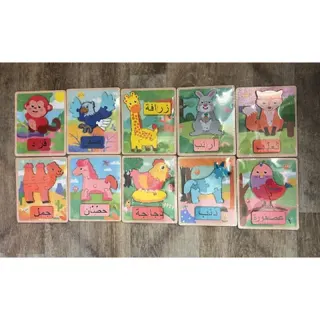 −19 %China Divers BrandWooden animal puzzle in Arabic21 DH
instead of 26 DHView product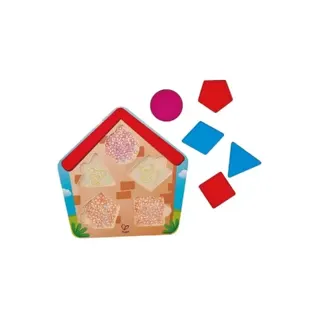 −48 %HapeWho’s in the House wooden peg puzzle – Hape65 DH
instead of 125 DHView product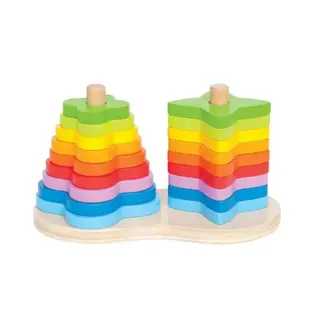 −48 %HapeRainbow stacking game, 12 months-3 years – Hape101 DH
instead of 195 DHView product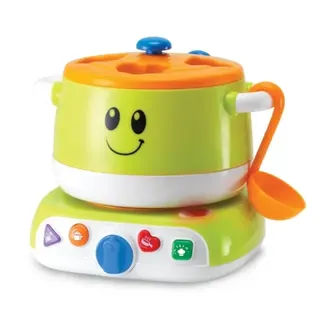 −48 %WinFun3-in-1 magic cooking pot – WinFun112 DH
instead of 215 DHView product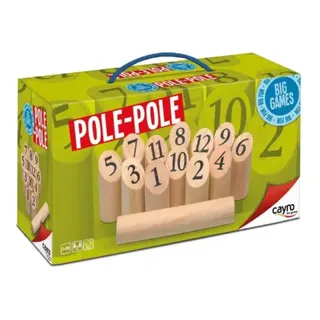 −48 %CayroPole-Pole wooden skittles game – Cayro114 DH
instead of 220 DHView product −48 %EurekakidsFantastic Adventure board game – Eurekakids138 DH
instead of 265 DHView product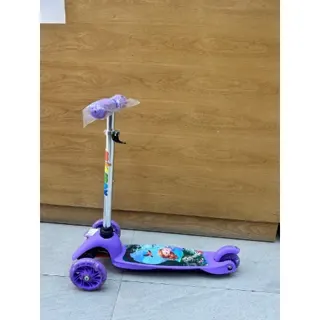 −44 %China Divers BrandDisney scooter, small size156 DH
instead of 280 DHView product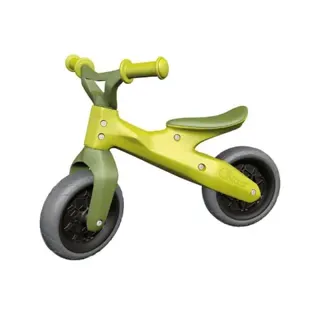 −48 %ChiccoEco+ balance bike, green, recycled plastic – Chicco390 DH
instead of 750 DHView product- The whole aisle · Pretend play71 products online, delivered anywhere in Morocco.Open the aisle
Products sold by La Maison du Bébé, publisher of this magazine. Prices as of 12 October 2026; please check the product page.
Choosing a toy well: the checks that matter
Cheap toys abound at Ashura. Before buying, take thirty seconds to check:
- The “Cم” mark. Under Law 24-09 on the safety of products and services, toys are among the products that must carry it in Morocco, according to the Ministry of Industry and Trade.
- The age stated by the manufacturer, without jumping ahead of it.
- The toilet roll test: the Canadian Paediatric Society, quoted by Quebec’s public health institute INSPQ, considers that any object that fits through an empty toilet roll tube can choke a young child.
- Cords: 20 cm at most, recommends the INSPQ.
- Parts that come off: eyes or buttons on cuddly toys and dolls, which the Canadian Paediatric Society says to keep an eye on.
- The battery compartment, firmly closed: we explain elsewhere the dangers of button batteries, which must be kept out of reach.
- Latex balloons, inflated or burst, which the INSPQ considers dangerous for young children.
For a board game or puzzle, also look at the number of pieces, and check the minimum age on each box among our board games for the whole family.
Frequently asked questions
When is Ashura?
It falls on the 10th of Muharram, the first month of the Hijri (Islamic) year; its name comes from the Arabic word “ashara”, meaning ten. This lunar calendar does not line up with the Gregorian calendar, so the date moves from one year to the next in our diaries: watch for the announcement of the start of Muharram to prepare for the festival.
Why do children get toys at Ashura?
Because in Morocco the festival has long been associated with childhood, family and sharing, the daily Le Matin pointed out in 2018: it is the time of year when toy sellers make most of their sales. The legend of Baba Aichour, a kind of Moroccan Father Christmas who handed out sweets and presents around the bonfire on the eve, is even coming back in some neighbourhoods after a century of neglect.
What should I do if my child is burned by a firecracker or the bonfire?
Cool the burn under cool running water for 20 minutes, as the UK’s NHS recommends. Remove clothing and jewellery around the area, unless it is stuck to the skin, then cover it loosely with cling film. No cream, oil or butter, and do not pop blisters. Always have a burned child seen by a doctor; call 141 if the burn is large or affects the face or eyes.
What toy should I give a 2-year-old for Ashura?
For children aged 1 to 2, the Canadian Paediatric Society suggests push or pull toys with a short cord, stacking and sorting games, simple puzzles, big soft balls, instruments such as a drum or maracas, and soap bubbles. Check the recommended age, the “Cم” mark and that there are no small parts or buttons that could come off.
Sources
- Achoura, une fête pour perpétuer les traditions (20 September 2018)Le Matin · Morocco
- Achoura : Entre traditions festives et pratiques inconscientes (30 July 2023)Hespress FR · Morocco
- Achoura : Entre sacré et profane, quand la fête rime avec démesure (6 July 2025)Hespress FR · Morocco
- Achoura : les pétards et les feux d'artifice réinvestissent les rues (23 July 2023)Le Matin · Morocco
- Marquage « Cم » de conformité des produits industrielsMinistry of Industry and Trade · Morocco
- Jeux, jouets et activités pour les tout-petits de 12 à 24 mois (July 2022)Caring for Kids, Canadian Paediatric Society · Canada
- Prévenir les étouffements (February 2026)Mieux vivre avec notre enfant, INSPQ · Canada (Québec)
- Burns and scalds (March 2026)NHS · United Kingdom