




Article contents
Key points
- Maryam is the only woman named in the Quran; sura 19 bears her name.
- Musa (Moses) is the most frequently named prophet: 136 times according to counts.
- Hawwa (Eve), Asiya and Bilqis are not named: their names come from tradition.
- Janna, Firdaous and Afnane are words from the Quran, not people.
- Taha and Yassine are names of suras made up of isolated letters.
“I’d love a name from the Quran for my daughter.” The answer may surprise you: only one woman is named in the Quran, Maryam. The other so-called Quranic names are either words from the text, such as Janna or Firdaous, or the names of famous women from the history of Islam, such as Khadija or Fatima, who are not mentioned in it.
For boys the choice is wider: the Quran names some twenty prophets and a handful of other figures. This article sorts things out, verse by verse, between names actually mentioned, Quranic words that became names, and names that come from tradition. We stick to the facts: the religious significance of each name is a matter for scholars, not for a magazine.
All the Arabic spellings and meanings given here have been checked in at least two references. The number of mentions comes from a count of the Quranic text; it can vary slightly from one count to another.
What does “a name from the Quran” actually mean?
The phrase covers three quite different families, and it helps to tell them apart before you choose.
- People named in the Quran: prophets and a few other figures, almost all men. Only one woman: Maryam.
- Quranic words that became names: Janna (paradise, garden), Firdaous (paradise), Nour (light). These are not people but terms from the text.
- Names from Muslim tradition: those of figures the Quran refers to without naming them, such as Hawwa (Eve), or who do not appear in it at all, such as Khadija or Fatima.
All three families give Islamic names. Telling them apart simply avoids saying a name “is in the Quran” when it is not.
The prophets named in the Quran
Twenty-four prophets are named, from Adam to Muhammad. Adding Dhul-Kifl, named twice but whose status as a prophet is debated, brings the total to twenty-five. Most bear the Arabic form of a biblical name.
| Name | Arabic script | Who is he? | Origin | Note |
|---|---|---|---|---|
| Adam | آدم | the first man | Hebrew | Named 25 times. |
| Nouh | نوح | Noah | biblical | Named 43 times; also spelled Nuh. |
| Ibrahim | إبراهيم | Abraham | biblical | Named 69 times; Brahim is the North African variant. |
| Ismail | إسماعيل | Ishmael, son of Ibrahim and Hajar | biblical | Named 12 times. |
| Ayoub | أيوب | Job | biblical | Named 4 times; also spelled Ayyub. |
| Shuaib | شعيب | identified with Jethro | uncertain | Named 11 times; spelled Choaïb or Chouaïb in French. |
| Moussa | موسى | Moses | biblical | The most often named: 136 times; also spelled Musa. |
| Haroun | هارون | Aaron | biblical | Named 20 times. |
| Daoud | داود | David | biblical | Named 16 times; also spelled Dawud. |
| Souleymane | سليمان | Solomon | biblical | Named 17 times; also spelled Sulayman. |
| Zakaria | زكريا | Zechariah | biblical | Named 7 times. |
| Issa | عيسى | Jesus, son of Maryam | biblical | Named 25 times; also spelled Isa. |
| Mohamed | محمد | the Prophet of Islam | Arabic | Named 4 times (3:144, 33:40, 47:2, 48:29); also spelled Muhammad. |
| Ahmed | أحمد | another name of the Prophet | Arabic | Named once (61:6); meaning “most worthy of praise”. |
The Quran also names Ishaq (Isaac), Yacoub (Jacob), Youssef (Joseph), Idriss (identified with Enoch), Houd, Salih, Lout (Lot), Ilyas (Elijah), Al-Yasa (Elisha), Younes (Jonah) and Yahya (John the Baptist). These names are closely tied to the Quran and come in many spellings. For more boy name ideas, with their meanings, see our selection of Arabic and Muslim boy names.
Maryam, the only woman named in the Quran
Maryam (مريم), the mother of Isa (Jesus), is the only woman the Quran refers to by name. The text calls her Maryam, daughter of Imran, and sura 19 bears her name. According to counts, her name appears 34 or 35 times.
It is the Arabic form of Mary, which makes it a name understood in almost every language. Its Latin spelling varies between families and countries (Maryam, Meryem, Mariam): choose the one you like and keep it on all your daughter’s documents.
Luqman, Imran, Zayd: the other named figures
Beyond the prophets, the Quran names a few figures whose names have become given names. For a boy, they are more original choices.
| Name | Arabic script | Who is he? | Origin | Note |
|---|---|---|---|---|
| Imran | عمران | father of Maryam according to tradition | biblical (Amram) | Named 3 times; sura 3 is called Al Imran, “the family of Imran”. |
| Loqman | لقمان | a wise man | uncertain | Named twice (31:12 and 31:13); also spelled Luqman. |
| Zayd | زيد | Zayd ibn Haritha | Arabic | Named once (33:37). |
| Jibril | جبريل | the angel Gabriel | biblical | Named 3 times (2:97, 2:98, 66:4). |
The Quran also names Talut (Saul), the angel Mikail (Michael, in 2:98) and Dhul-Qarnayn, a travelling king.
Hawwa, Asiya, Bilqis: women referred to, but not named
Several women play a part in the Quranic narrative without being named. The names we know them by come from tradition.
- Hawwa (Eve): Adam’s wife is referred to, notably in verses 2:35, 7:19 and 20:117, without a name.
- Asiya: the name tradition gives to Pharaoh’s wife (28:9, 66:11).
- Bilqis: the traditional name of the Queen of Sheba, whose story is in sura 27.
- Zulaykha: the name tradition gives to the wife of Al-Aziz, in the story of Youssef (12:23-32).
The great female figures of early Islam are not named either. Their names nonetheless remain closely tied to the history of Islam.
| Name | Arabic script | Meaning | Link with the Quran | Note |
|---|---|---|---|---|
| Khadija | خديجة | born prematurely | not named | First wife of the Prophet. |
| Aïcha | عائشة | alive | not named | Wife of the Prophet; spelled Aisha in English. |
| Fatima | فاطمة | from the root “to wean” | not named | Daughter of the Prophet. |
| Hajar | هاجر | Arabic form of Hagar | not named | Mother of Ismail; linked to the story of Ibrahim. |
Sara, Ibrahim’s wife, is not named either. Our selection of Arabic girl names with their meanings covers these names in detail.
Quranic words that became names
This is the richest family for girls: words from the text, chosen for their meaning or their sound. The names below have been cross-checked in at least two references, and their place in the text is given with the verse.
| Name | Arabic script | Meaning | Where to find it | Note |
|---|---|---|---|---|
| Janna | جنة | paradise, garden | “al-janna”, 147 mentions | Also spelled Jannah. |
| Firdaous | فردوس | paradise | 18:107 and 23:11 | Also spelled Firdaws. |
| Nour | نور | light | “an-nur”, one of the names of the Quran (4:174) | Given to girls and boys. |
| Afnane | أفنان | boughs, branches | 55:48 | Two soft syllables. |
| Fatiha | فاتحة | opening | name of the first sura | The final h tends to disappear abroad. |
Other names also come from Quranic vocabulary: Kaoutar (Kawthar), name of sura 108; Tasnim and Salsabil, mentioned in verses 83:27 and 76:18; Marwa, the place mentioned with Safa in verse 2:158; and Aya, which means both a “sign” and a verse. As for Taha and Yassine, they are the names of two suras formed from the isolated letters that open them, with no translation.
At the civil registry: what you need to know
In the Moroccan civil register, these names follow the rules of article 34 of Law 36-21, published in the Official Bulletin on 22 July 2021. Two of those rules often concern religious names:
- a compound name cannot combine more than two names: Fatima-Zahra is fine, a triple name is not;
- no title may accompany the name: Moulay, Sidi or Lalla do not appear on the certificate.
The other conditions, what happens if the registrar hesitates and the situation of families living abroad are explained in our guide to the law and choosing a baby name in Morocco. And if you are preparing the seventh-day celebration, our article on the sbou3 and the aqiqa will help you organise it.
From the shop
Keepsakes to go with the name
An imprint box or frame to keep a record of the very first days, alongside the name you have chosen.
 −9 %Tiny LoveTiny Creations Magic Box baby print kit, square metal box – Tiny Love146 DH
instead of 160 DHView product −9 %Tiny LoveTiny Creations Magic Box baby print kit, round metal box – Tiny Love146 DH
instead of 160 DHView product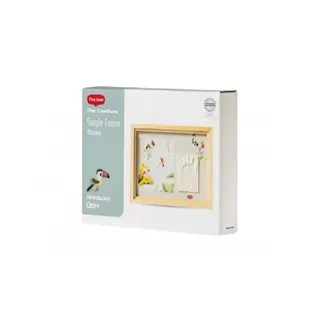 −9 %Tiny LoveTiny Creations Simple Frame baby print frame, wood – Tiny Love209 DH
instead of 230 DHView product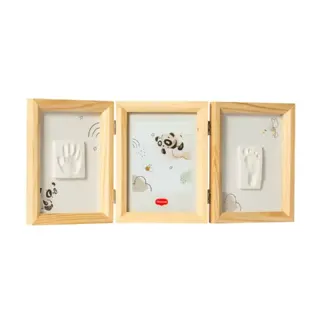 −9 %Tiny LoveTiny Creations wooden double photo and print frame – Tiny Love291 DH
instead of 320 DHView product- The whole aisle · Baby keepsakes6 products online, delivered anywhere in Morocco.Open the aisle
Products sold by La Maison du Bébé, publisher of this magazine. Prices as of 12 October 2026; please check the product page.
Frequently asked questions
Which girl’s name is mentioned in the Quran?
Only one woman’s name appears: Maryam (مريم), the mother of Isa (Jesus), who gives her name to sura 19. The other “Quranic names” for girls are words from the text, such as Janna (paradise, garden), Firdaous (paradise) or Nour (light), rather than women who are named.
Is Hawwa (Eve) named in the Quran?
No. The Quran refers to Adam’s wife, notably in verses 2:35, 7:19 and 20:117, but without giving her a name. The name Hawwa comes from tradition. The same is true of Asiya, Pharaoh’s wife, and Bilqis, the Queen of Sheba: only Maryam is referred to by name.
How many prophets are named in the Quran?
Twenty-four prophets are named beyond dispute, from Adam to Muhammad, who is also called Ahmad once (61:6). Adding Dhul-Kifl, named twice but whose status as a prophet is debated, brings the total to twenty-five. Musa (Moses) is named most often, 136 times according to counts.
Are Taha and Yassine names of prophets?
No. Taha and Yassine are the names of two suras, formed from the isolated letters that open them. These letters have no translation: Wiktionary notes, for example, that Taha has no meaning other than those letters. So they are names taken from the Quran, but they are not names of people.
Are Fatima and Khadija mentioned in the Quran?
No. Fatima, the Prophet’s daughter, and Khadija, his first wife, belong to the history of Islam, but the Quran names no woman other than Maryam. The same goes for Aisha, Hajar and Sara. These remain Muslim names closely tied to Islam; they simply do not appear in the text.
Sources
- List of characters and names mentioned in the QuranWikipedia · International
- Mary in IslamWikipedia · International
- QuranWikipedia · International
- Maryam - Ontology of Quranic ConceptsQuranic Arabic Corpus (University of Leeds) · United Kingdom
- Arabic Names (pages 1 to 4)Behind the Name, etymology database of given names · International
- Appendix:Arabic given namesWiktionary · International
- Liste de prénoms arabesWikipédia (French edition) · International
- Dahir n° 1-21-81 du 14 juillet 2021 portant promulgation de la loi n° 36-21 relative à l'état civil (BO n° 7006 du 22 juillet 2021)Adala legal portal, Ministry of Justice · Morocco