




Article contents
Key points
- Every name in this selection has been checked in at least two references.
- The sounds ح, ع, خ and غ do not exist in English or French: test how the name sounds.
- Compound names: two names at most, and no title such as Lalla (Law 36-21).
- The Moroccan birth certificate gives the name in Arabic, Tifinagh and Latin letters.
- Only Maryam is named in the Quran; Khadija, Aisha and Fatima are not mentioned in it.
Choosing an Arabic girl name usually means looking for three things at once: a meaning that speaks to you, a sound the whole family loves, and a name a teacher in Casablanca or London will say without stumbling. There is no shortage of lists. Type “اسماء بنات” or “Arabic girl names with meaning” into a search engine and you will find hundreds of names, with translations that change from one site to the next.
For this selection we did the opposite. We only kept names whose Arabic spelling and meaning agree in at least two serious references: etymological name dictionaries, lexicons and encyclopedias. Where sources disagreed, as with Hind, Amina or Chaima, we preferred to leave the name out rather than give you a doubtful meaning.
Each table gives the Arabic script, the meaning, the origin and a practical note on pronunciation or spelling. Expecting a boy? See our selection of Arabic boy names and their meanings.
Which Arabic girl names are short and easy to carry anywhere?
Two-syllable names without a guttural sound travel best: Lina, Maha, Nour and Farah sound almost the same in Casablanca, Paris, Madrid or New York. They are safe choices if your daughter will grow up between several languages, or if part of the family lives abroad.
| Name | Arabic script | Meaning | Origin | Note |
|---|---|---|---|---|
| Lina | لينا | gentle, tender | Arabic | Pronounced the same way in Arabic, English, French and Spanish. |
| Maha | مها | oryx (an antelope) | Arabic | The h tends to fade abroad: people will often say “Ma-a”. |
| Nour | نور | light | Arabic | Given to girls and boys: abroad, the name does not signal whether the child is a girl or a boy. |
| Noura | نورة | light | Arabic | Feminine form of Nour; also spelled Nora or Noora. |
| Farah | فرح | joy | Arabic | Also given to boys; the final h is silent in French. |
| Hiba | هبة | gift | Arabic | The h is breathed in Arabic; in French it becomes silent. |
| Amal | أمل | hope | Arabic | Also given to boys; sounds the same everywhere. |
| Sara | سارة | Arabic form of Sarah, linked to the story of Ibrahim | biblical | An international name, spelled Sara or Sarah depending on the country. |
| Layla | ليلى | night | Arabic | Heroine of the love story of Qays, known as Majnun; also spelled Laila or Leila. |
| Dounia | دنيا | the world, earthly life | Arabic | “Dounia” is the North African spelling of Dunya. |
Flowers, scents and gemstones: names inspired by nature
Arabic has given rise to many names drawn from plants, fragrances and precious stones. They evoke an image more than a quality, which appeals to parents who want a poetic name without too strong a connotation.
| Name | Arabic script | Meaning | Origin | Note |
|---|---|---|---|---|
| Abir | عبير | fragrance, scent | Arabic | Starts with ع (ʿayn), a sound that does not exist in English: abroad, people will say “Abeer”. |
| Arij | أريج | fragrance | Arabic | Also spelled Areej. |
| Loubna | لبنى | storax, a tree with fragrant resin | Arabic | Also spelled Lubna. |
| Fayrouz | فيروز | turquoise (the stone) | Arabic | Also spelled Fairouz. |
| Afnane | أفنان | boughs, branches | Arabic | A word from the Quran (sura 55, verse 48); two soft syllables. |
| Janna | جنة | paradise, garden | Arabic | A word from the Quran; also spelled Jannah. |
| Firdaous | فردوس | paradise | Arabic | A word from the Quran (18:107 and 23:11); also spelled Firdaws. |
Names of virtues: gentleness, joy, hope
This is the largest family: names that express a wish for the child. Watch out for pairs that look alike but are written differently, such as Hadia “guide” and Hadia “gift”, or Lamya and Lamia: check the Arabic spelling before you register the birth.
| Name | Arabic script | Meaning | Origin | Note |
|---|---|---|---|---|
| Afaf | عفاف | purity, virtue | Arabic | Starts with ع; two easy syllables. |
| Ahlam | أحلام | dreams | Arabic | A plural; the ح is said deep in the throat and turns into a plain h or disappears abroad. |
| Bahija | بهيجة | joyful, radiant | Arabic | In Morocco the j sounds like the s in “measure”. |
| Bouchra | بشرى | good news | Arabic | “Bouchra” is the North African spelling of Bushra. |
| Douaa | دعاء | prayer, supplication | Arabic | Also spelled Doua, Doaa or Duaa. |
| Farida | فريدة | unique | Arabic | Feminine of Farid; easy in every language. |
| Fatine | فاتن | charming, captivating | Arabic | Also spelled Faten. |
| Fida | فداء | redemption, sacrifice | Arabic | Given to girls and boys. |
| Ghada | غادة | graceful young woman | Arabic | The gh (غ) is close to the French r; a non-Arabic speaker may say “Gada”. |
| Ghalia | غالية | precious, dearly loved | Arabic | Same note on the gh. |
| Hadia | هادية | guide | Arabic | Not to be confused with Hadia “gift”, written هدية. |
| Hanae | هناء | happiness, bliss | Arabic | Also spelled Hana. |
| Jamila | جميلة | beautiful | Arabic | Spelled Djamila in parts of North Africa. |
| Latifa | لطيفة | gentle, delicate | Arabic | Feminine of Latif, “kind”. |
| Lamya | لمياء | with dark red lips | Arabic | An image from Arabic poetry; not to be confused with Lamia (لامعة), “shining”. |
| Najwa | نجوى | confidence, a whispered conversation | Arabic | Najoua in the North African spelling. |
| Rajae | رجاء | hope | Arabic | Also spelled Rajaa or Raja. |
Great names from history: Khadija, Aisha, Fatima…
These names have crossed the generations because they are linked to the early days of Islam, to the Quran or to the biblical story. Be aware, though: apart from Maryam, none of the women in this table is named in the Quran.
| Name | Arabic script | Meaning | Origin | Note |
|---|---|---|---|---|
| Khadija | خديجة | born prematurely | Arabic | First wife of the Prophet; the kh sounds like the Scottish “loch” or the Spanish jota. |
| Aïcha | عائشة | alive | Arabic | Wife of the Prophet; written Aisha in English, Aïcha in French (the diaeresis shows “a-i”). |
| Fatima | فاطمة | from the root “to wean” | Arabic | Daughter of the Prophet; the form Fatima-Zahra (فاطمة الزهراء) is mostly found in North Africa. |
| Asmaa | أسماء | elevated, sublime | Arabic | Daughter of Abu Bakr; also spelled Asma or Esma. |
| Fatiha | فاتحة | opening, beginning | Arabic | Name of the first sura of the Quran; the final ح tends to disappear abroad. |
| Maryam | مريم | Arabic form of Mary | biblical | The only woman named in the Quran; has equivalents in almost every language. |
| Hajar | هاجر | Arabic form of Hagar, mother of Ismail | uncertain, possibly Hebrew | Part of the story of Ibrahim, but not named in the Quran. |
Pronunciation: what changes in Morocco and abroad
Four Arabic sounds do not exist in English or French: the ح in Ahlam or Farah, the ع in Abir or Aisha, the خ in Khadija and the غ in Ghada. Abroad they are usually replaced by a nearby sound or simply dropped. That is not a flaw, but it is worth knowing: a name like Ghalia may well become “Galia” when a non-Arabic speaker says it.
Spelling matters as much as sound. The same Arabic name can be written several ways in Latin letters: Bouchra or Bushra, Douaa or Doua, Najwa or Najoua. In Morocco, the birth certificate shows the name in Arabic, in Tifinagh (the Amazigh script) and in Latin letters. So choose the Latin spelling you find clearest, then stick to it, on the passport as well as on the nursery registration form. If your child is growing up between several languages, our article on raising a child between Darija, Arabic and French may help too.
Which girl names are actually mentioned in the Quran?
Just one: Maryam, the mother of Isa (Jesus). She is the only woman the Quran refers to by name, and sura 19 bears her name. Other women, such as Pharaoh’s wife or the Queen of Sheba, are mentioned without being named: the names people give them come from tradition.
Many so-called “Quranic names” are really words that appear in the text: Janna, Firdaous and Afnane, all in our tables, are examples. Khadija, Aisha, Fatima, Asmaa, Hajar and Sara, on the other hand, are not mentioned in the text, even though they belong to the history of Islam. We explain this distinction, verse by verse, in our article on names mentioned in the Quran.
Before you register the birth: the rules to know
To be entered in the Moroccan civil register, a name must comply with article 34 of Law 36-21, published in the Official Bulletin on 22 July 2021. It must not:
- offend public decency or public order, or expose the child to ridicule;
- be a family name, or the name of a town, village or tribe;
- be made up of more than two names (Fatima-Zahra is fine, a triple name is not);
- come with a title such as Lalla, or be followed by a number.
Since the implementing decree published in July 2023, the civil registrar can no longer refuse a name on their own: they record the declaration and send the case to the High Commission for Civil Status, which decides. The full rules, the situation of families living abroad and a method for choosing together are in our guide to Moroccan law on choosing a baby name. For deadlines and paperwork, see how to register your baby’s birth in Morocco.
Looking for a name you hear less often? Our selection of rare names that work in Morocco and abroad picks up where this list leaves off, and you will find all our ideas in the Baby names section.
From the shop
Keepsakes from the very first days
Once the name is chosen, it is time to keep the memories: imprint boxes and frames, from the simple model to the double frame with a photo.
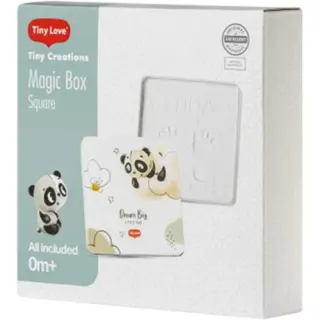 −9 %Tiny LoveTiny Creations Magic Box baby print kit, square metal box – Tiny Love146 DH
instead of 160 DHView product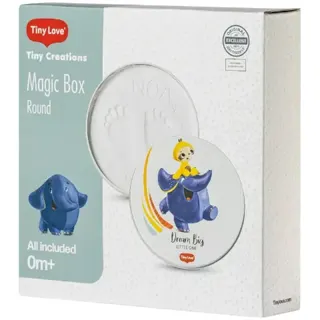 −9 %Tiny LoveTiny Creations Magic Box baby print kit, round metal box – Tiny Love146 DH
instead of 160 DHView product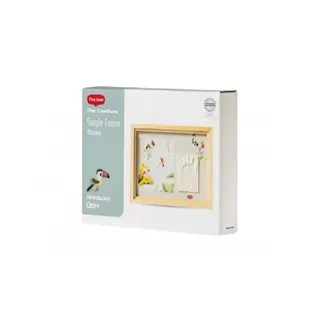 −9 %Tiny LoveTiny Creations Simple Frame baby print frame, wood – Tiny Love209 DH
instead of 230 DHView product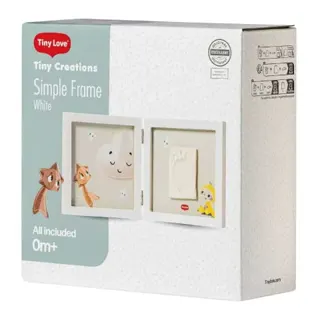 −9 %Tiny LoveTiny Creations Simple Frame baby print frame, white – Tiny Love209 DH
instead of 230 DHView product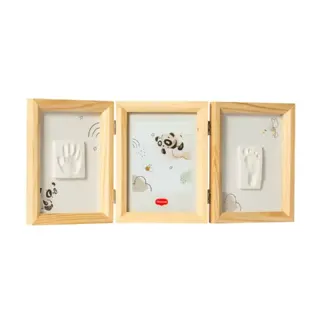 −9 %Tiny LoveTiny Creations wooden double photo and print frame – Tiny Love291 DH
instead of 320 DHView product −9 %Tiny LoveTiny Creations Double Frame baby print frame, white – Tiny Love291 DH
instead of 320 DHView product- The whole aisle · Baby keepsakes6 products online, delivered anywhere in Morocco.Open the aisle
Products sold by La Maison du Bébé, publisher of this magazine. Prices as of 12 October 2026; please check the product page.
Frequently asked questions
Which Arabic girl name means “light”?
Nour (نور) and Noura (نورة) both mean “light”. Nour is given to girls and boys alike, which can leave people abroad unsure whether the child is a girl or a boy. Noura, the feminine form, removes any ambiguity. Both are easy to say in English, French or Spanish, since neither contains a guttural sound.
Can I name my daughter Fatima-Zahra in Morocco?
Yes. Law 36-21 on civil status accepts a compound name made of two names at most, such as Fatima-Zahra (فاطمة الزهراء), which refers to Fatima, the Prophet’s daughter. It does, however, refuse a name made of more than two names, as well as a title such as Lalla placed with the name.
How will my daughter’s name be written on her Moroccan birth certificate?
Civil status records are drawn up in Arabic, and names also appear in Tifinagh and Latin letters (article 19 of Law 36-21). Decide in advance which Latin spelling you prefer, for example Douaa or Doua, Rajae or Rajaa, and keep exactly the same one on every document, especially if your child will live abroad.
Can the Moroccan civil registry refuse an Arabic girl name?
It can be a problem if it breaks article 34 of Law 36-21: no family name, no name of a town, village or tribe, nothing mocking or contrary to public decency, and no more than two names. Since the 2023 implementing decree, the registrar no longer decides alone: they record the declaration and refer the case to the High Commission for Civil Status.
Are Hajar and Sara names from the Quran?
Not strictly speaking. Hajar (Hagar) and Sara (Sarah), both linked to the story of Ibrahim (Abraham), are among the people the Quran mentions without naming them: their names come from tradition. The only woman named in the Quran is Maryam, the mother of Isa (Jesus), who also gives her name to sura 19.
Sources
- Liste de prénoms arabesWikipédia (French edition) · International
- Browse Names: feminine names, description “arabic” (and “Arabic Names” lists)Behind the Name, etymology database of given names · International
- List of people in both the Bible and the QuranWikipedia · International
- Appendix:Arabic given namesWiktionary · International
- List of characters and names mentioned in the QuranWikipedia · International
- Maryam - Ontology of Quranic ConceptsQuranic Arabic Corpus (University of Leeds) · United Kingdom
- Dahir n° 1-21-81 du 14 juillet 2021 portant promulgation de la loi n° 36-21 relative à l'état civil (BO n° 7006 du 22 juillet 2021)Adala legal portal, Ministry of Justice · Morocco
- État civil : les officiers n'ont désormais plus le droit de refuser l'inscription de prénomsTelQuel (14 July 2023) · Morocco