


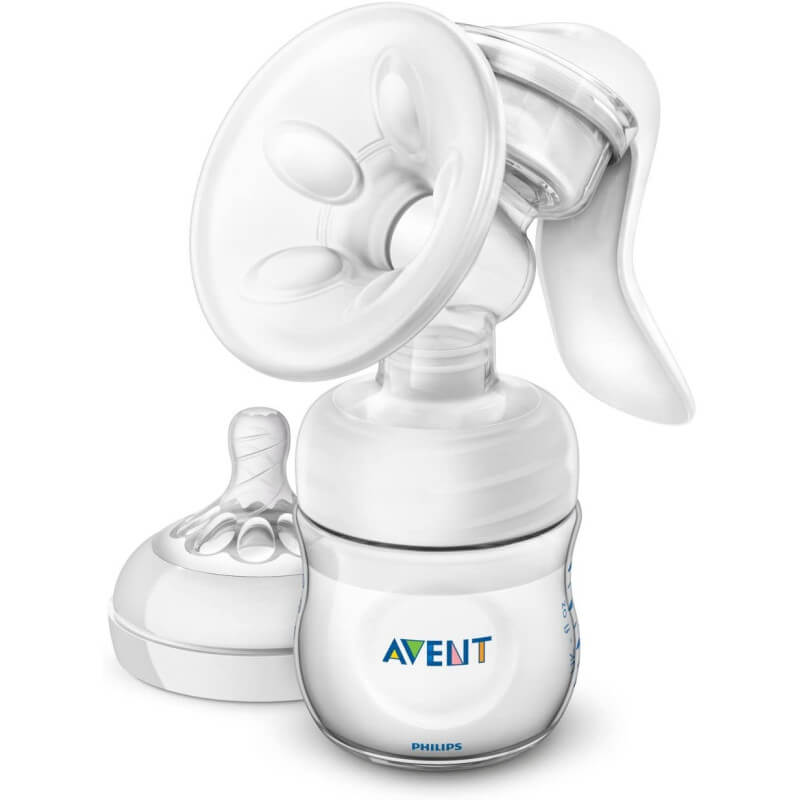
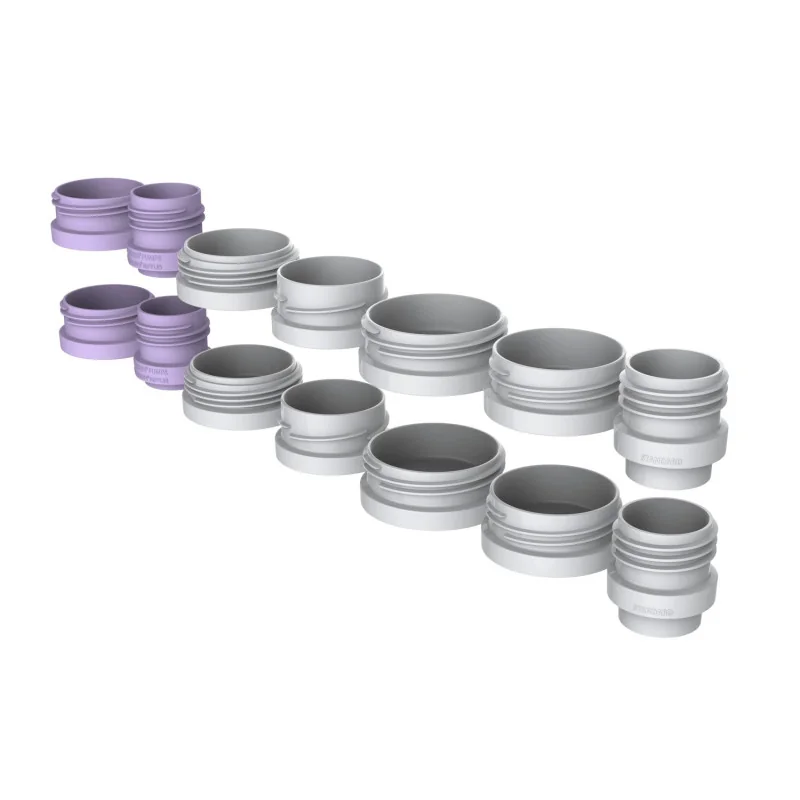

In the photos: Philips Avent Portable Manual Breast Pump, Babymoov Direct-Pump breast pump adapter and Buddy Classic Light Grey Doomoo nursing and maternity pillow.
See the models: our electric and manual breast pumps in stock, with advice at our Maârif showroom and delivery across Morocco.
To choose the right breast pump, start with how you’ll use it: a manual breast pump is enough for expressing now and then, while an electric pump, ideally a double one, is the way to go for daily use, for example when you go back to work. Flange size, comfort and ease of cleaning matter as much as suction power.
Contents:
- Why use a breast pump?
- Types of breast pump
- How to choose
- Using it properly
- Storing breast milk
- Hygiene and mistakes to avoid
- Frequently asked questions
Why use a breast pump?
A breast pump lets your baby enjoy your milk even when you are not by their side:
- going back to work or being away for a few hours;
- a premature or hospitalised baby who cannot breastfeed yet;
- bottle feeds shared with dad or a loved one;
- occasional relief for engorged breasts;
- maintaining your milk supply, on your midwife’s advice.
The different types of breast pump
The manual breast pump
Operated by hand with a lever, it is light, quiet and cordless. Ideal for occasional use, it does take a little effort. The Philips Avent portable manual breast pump, available in Morocco in our shop, slips easily into your changing bag.
The single or double electric breast pump
A motor provides the suction, which you adjust to your comfort. A single pump expresses one breast at a time; a double pump expresses both breasts at once and significantly shortens sessions, a real plus for daily use.
Hands-free and hospital-grade pumps
Hands-free breast pumps fit inside your bra and leave your hands free. Hospital-grade pumps are very powerful and intended for specific situations (prematurity, a difficult start to lactation), usually on medical advice.
| Type | Ideal use | Strengths | Limitations |
|---|---|---|---|
| Manual | Occasional | Light, quiet, cordless | Slower, takes effort |
| Single electric | Regular | Adjustable, less tiring | One breast at a time |
| Double electric | Daily, back to work | Saves a lot of time | Bulkier |
| Hands-free | On the go | Discreet, hands free | Small-capacity cups |
How to choose a breast pump: the key criteria
- How often you will use it: occasionally (manual), regularly (single electric) or daily (double electric).
- Breast shield size: the nipple should move freely in the tunnel without rubbing or pulling in the areola. The wrong size makes expressing uncomfortable and less effective.
- Settings: adjustable suction and rhythm, with a stimulation phase that mimics your baby’s rapid sucking.
- Closed system: a barrier stops milk from flowing back into the tubing and motor.
- Portability: weight, noise level, rechargeable battery for pumping at the office.
- Cleaning: few parts, easy to take apart and wash.
Breastfeeding specialist brands such as Philips Avent and Medela are available in our shop. Browse our selection of breast pumps and our full range of breastfeeding products for mum and baby.
Using your breast pump properly
- Wash your hands and use clean, dry equipment.
- Settle somewhere calm: relaxing helps your milk flow. A photo of your baby or a gentle breast massage can help.
- Centre your nipple carefully in the breast shield.
- Start with low suction, then increase it to the strongest level that still feels comfortable.
- If you are separated from your baby, express at a rhythm close to their feeding times.
To prepare for going back to work, start building a small supply a few weeks ahead.
Storing breast milk safely
Commonly recommended storage times for expressed breast milk:
- Room temperature: 4 hours maximum, less in very hot weather.
- Refrigerator: 48 hours at 4 °C maximum, at the back and never in the door.
- Freezer: 4 months at -18 °C.
- Thawed milk: 24 hours in the refrigerator, and never refreeze it.
Store milk in small, dated portions; Lansinoh breast milk storage bags make storage easy in both the fridge and the freezer. Thaw it in the refrigerator or in a lukewarm water bath, never in the microwave, which heats unevenly; a bottle warmer such as the Babymoov Tulipe gently warms it.
Breast pump hygiene and care
After each session, take apart and wash the parts that come into contact with milk in hot soapy water, then leave them to air-dry. Sterilise them before first use, then regularly according to the instructions, especially if your baby is premature or under 3 months old. The Babymoov Turbo Vapeur(+) electric steriliser sterilises bottles and accessories. Never wash the motor unit with water.
Mistakes to avoid
- Turning suction up to the maximum: this can damage your nipples without necessarily expressing more milk.
- Keeping an ill-fitting breast shield despite discomfort.
- Borrowing a used open-system breast pump.
- Keeping the rest of a partly used bottle for the next feed.
- Getting discouraged by small volumes.
Accessories for stress-free breastfeeding
Complete your kit with our breastfeeding accessories: Medela pregnancy and nursing bras, Lansinoh organic nipple balm to care for your nipples, or nursing pads for small leaks. A nursing pillow helps you find a comfortable position, and our baby bottles and teats, such as the Philips Avent Natural bottle, let you give your milk to your baby.

Frequently asked questions
Manual or electric breast pump: which should I choose?
A manual breast pump suits occasional use: it is light, quiet and needs neither a socket nor a battery. If you express milk every day, an electric breast pump, ideally a double one, will save you time. Discover our breast pumps available in Morocco.
When can I start using a breast pump?
You can express from birth if the situation requires it, for example for a premature baby. If breastfeeding is going well, the usual advice is to wait until it is well established before offering bottles. Your midwife can guide you.
Is it normal for expressing to hurt?
No, expressing should not be painful. Pain often signals a poorly fitting flange or suction that is too strong. If the discomfort persists, see your midwife or a lactation consultant.
How long does expressed breast milk keep?
According to common recommendations: 4 hours at room temperature, 48 hours in the refrigerator and 4 months in the freezer at -18 °C. Always write the date on the container. If in doubt, ask your paediatrician.
Why am I expressing so little milk?
The first sessions often produce small amounts, and a breastfeeding baby is generally more effective than a breast pump. Stress, tiredness or a poorly fitted breast shield can also play a part. With regular sessions, the volume usually increases.
Can I use another mum’s breast pump?
A breast pump is a personal hygiene product. Without a closed system, milk can reach the tubing or the motor, which cannot be disinfected. It is better to choose your own breast pump, with new parts.
Need personalised advice? Our team welcomes you at our showroom in Casablanca, in Maârif, and answers your questions on WhatsApp at 06 61 14 46 02. Delivery within 24 hours across Morocco (by our team in Casablanca, by Amana elsewhere), free from 300 DH.
Our other buying guides
Out and about: Choosing a stroller · Choosing your baby’s car seat · Baby carrier or baby wrap · Choosing a changing bag · Tricycle, balance bike or kids’ bike
Sleep: Choosing a cot and mattress · Crib or bedside crib · Travel cot and playpen · Baby sleeping bags: size and TOG · Choosing a baby monitor
Feeding and breastfeeding: Choosing the right nursing pillow · Choosing a baby bottle and teat · Choosing a bottle warmer · Sterilising baby bottles · Choosing a high chair · Kids’ lunch boxes
Bath, care and comfort: Baby baths and bathing safely · Nasal aspirators and nose cleaning · Choosing the right pacifier · Bouncer, swing or rocker: which to choose
Play and gifts: Educational and Montessori toys by age · Baby shower gift ideas