A bottle warmer heats your baby’s milk quickly: together with the bain-marie, it is one of the two methods recommended by France’s national health insurance (Assurance Maladie), which rules out the microwave. Milk must not exceed 37 °C, should be checked on your wrist and drunk within half an hour. Good to know: warming it isn’t compulsory, as milk can be drunk at room temperature.
- Bain-marie or bottle warmer: the two recommended methods, never the microwave (ameli, Anses).
- 37 °C maximum: shake the bottle, then test a few drops on the inside of your wrist.
- A warmed bottle should be drunk within half an hour. After that, the milk must be thrown away.
- Warming isn’t compulsory: milk can be drunk at room temperature (ameli).
- Breast milk: thaw slowly in the fridge, never refreeze, never use the microwave (NHS).
- Before buying: compatibility with your bottles, automatic shut-off, use at home or on the go.
- How to warm a bottle without a microwave?
- At what temperature should you give a bottle?
- How long can you keep a warmed bottle?
- Bottle warmer or bain-marie: which to choose?
- How to choose a bottle warmer: the key criteria
- Portable bottle warmer: useful when travelling?
- Warming breast milk and baby food jars
- FAQs
How do you warm a bottle without a microwave?
France’s Assurance Maladie and Anses agree: a bottle should be warmed in a bain-marie or a bottle warmer, never in a microwave oven, which Anses describes as “strongly discouraged”. A microwave heats unevenly and creates hot spots that can burn baby’s mouth, explain Health Canada and Naître et grandir.
- Warm quickly, so the milk does not exceed 37 °C.
- Shake the bottle well to avoid burns.
- Check the temperature by pouring a few drops on the inside of your wrist: the milk must not be too hot.
- Give the bottle within half an hour of warming.
In a bain-marie
Place the bottle in a container of hot water, then shake and test on your wrist. This method needs no appliance, but it is up to you to keep an eye on time and temperature.
At what temperature should you give a bottle?
The official guideline is simple: milk must not exceed 37 °C, roughly body temperature. But warming it is not compulsory: according to ameli, milk can be drunk at room temperature. A bottle warmer is therefore a convenience, not a necessity.
- Even with a thermostat, always check the temperature on your wrist before giving the bottle.
- Milk too hot? Wait for it to cool to lukewarm and test again, staying within the half-hour limit.
- Water for preparation: use water suitable for infants.
How long can you keep a warmed bottle?
Timing matters as much as temperature. Here are the guidelines from the French health authorities (ameli, Anses), supplemented by Health Canada and the NHS.
| Situation | Time limit |
|---|---|
| Warmed bottle | Drink within half an hour |
| Prepared bottle, at room temperature | Give within the hour, then throw the milk away |
| Bottle prepared in advance (exceptionally) | In the fridge, at 4 °C maximum. Health Canada sets a limit of 24 hours |
| Partly drunk bottle | Never kept for the next feed, even in the fridge |
| Thawed breast milk | Use immediately, never refreeze (NHS) |
So a bottle that has already been warmed is never warmed a second time: whatever is not drunk within half an hour is thrown away.
Bottle warmer or bain-marie: which to choose?
Both methods are recommended. The difference lies mainly in convenience.
| Criterion | Bain-marie | Bottle warmer |
|---|---|---|
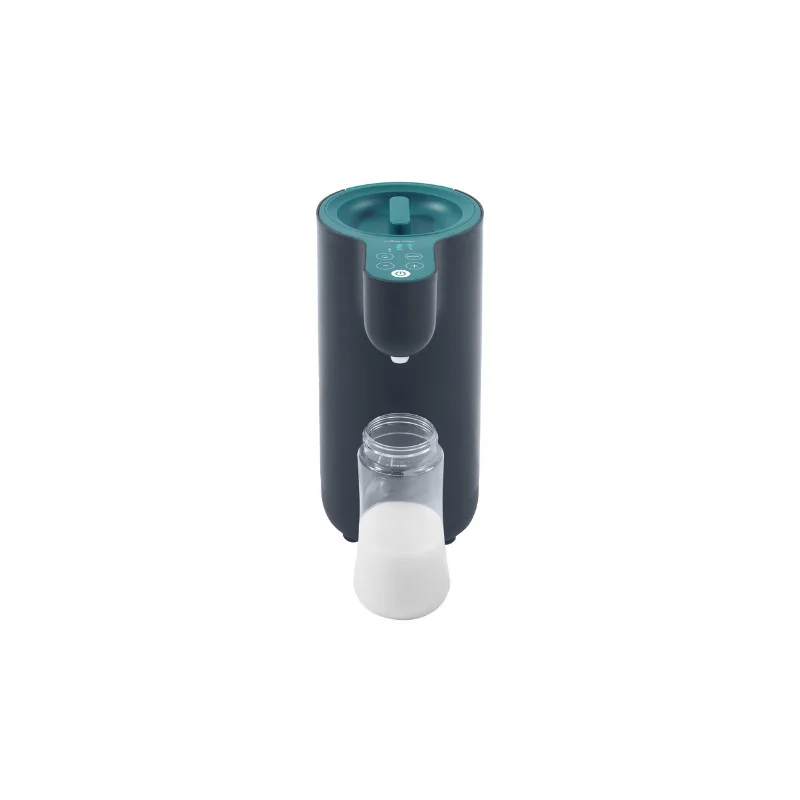
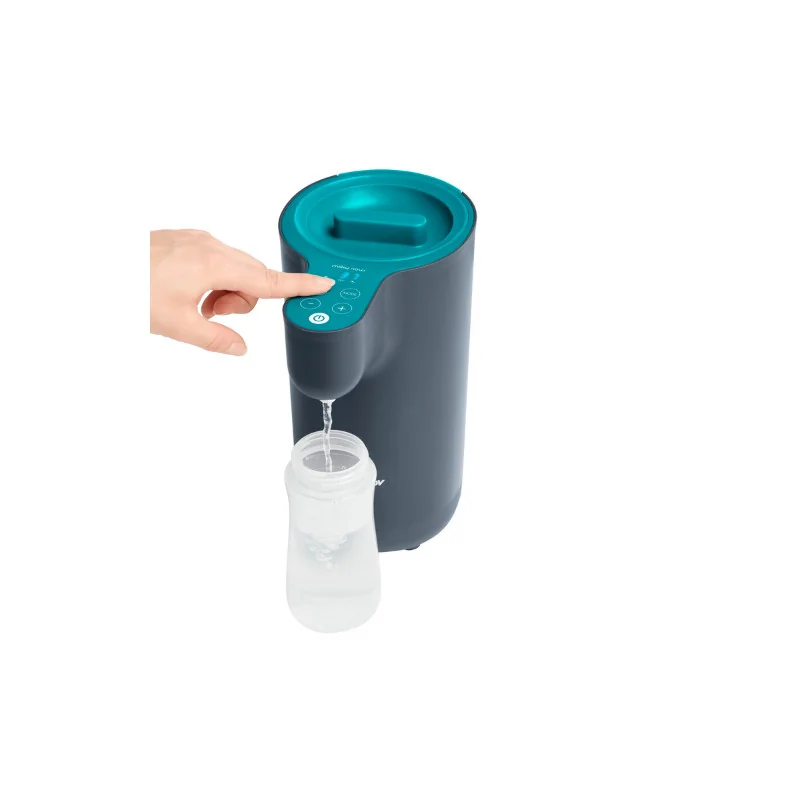
| Equipment | A container of hot water | A dedicated appliance, for home or on the go |
| Time | Variable, needs watching | A few minutes for a standard model, less for an express model, according to manufacturers |
| Control | Fully manual | Automatic shut-off or end-of-warming signal on some models |
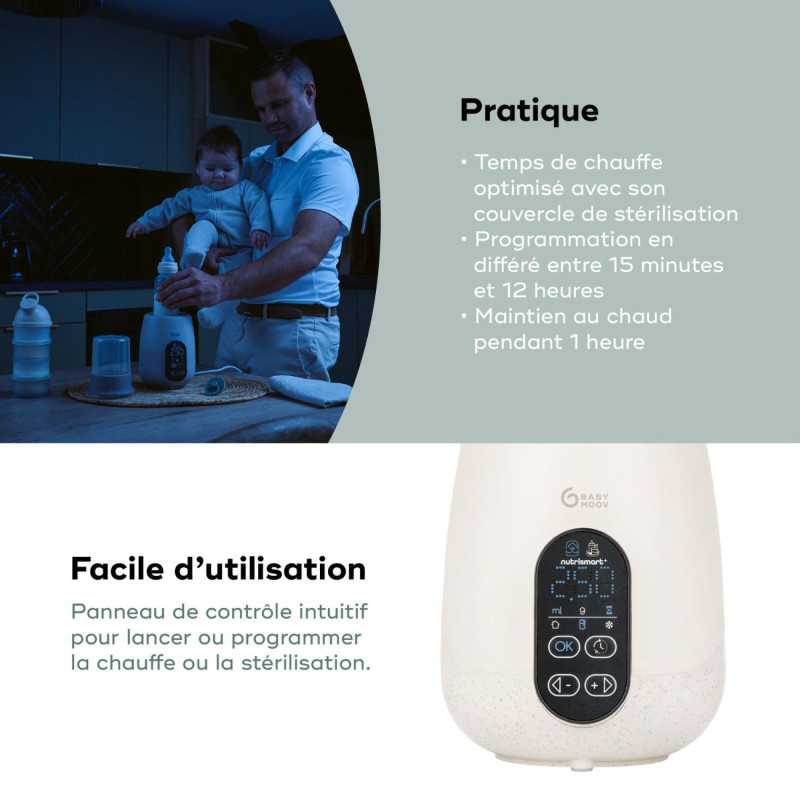
| Night feeds | Less convenient | More practical |
Either way, the same rules apply: shake, test on your wrist, give within half an hour.
How to choose a bottle warmer: the key criteria
- Compatibility: check that the appliance takes your bottles, wide or narrow, and baby food jars if you use them.
- Safety: automatic shut-off and a sound or light signal at the end of warming.
- Keep-warm: a function offered by some manufacturers. It does not change the rule: a warmed bottle must be drunk within half an hour.
- Defrosting: some models also defrost milk or baby food jars, according to the instructions.
- Use: at home, in the car or on outings (see below).
- Maintenance: an appliance that is easy to empty and descale. Follow the instructions for how often to descale.
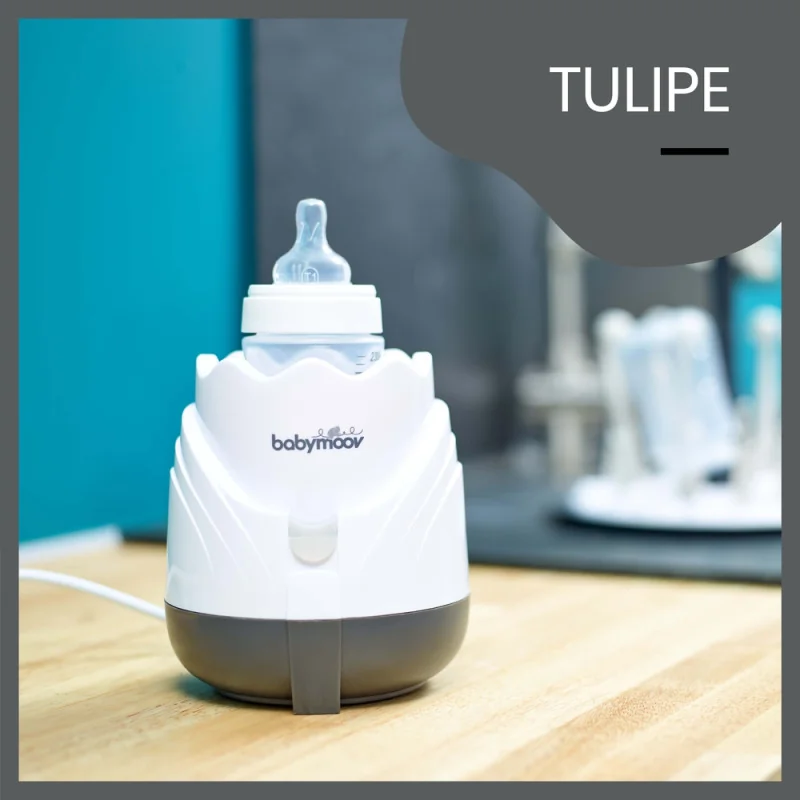
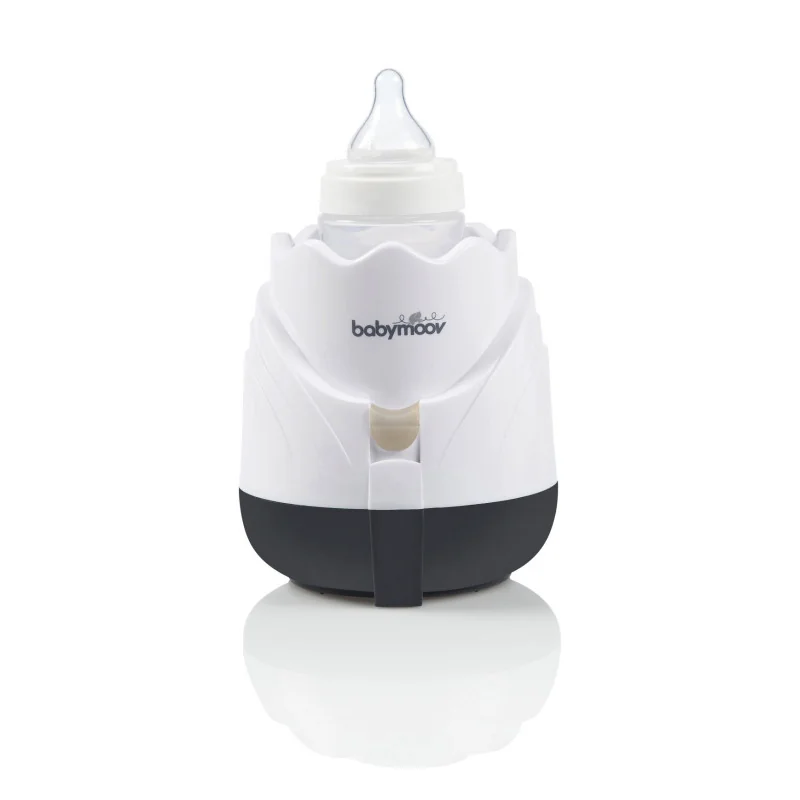
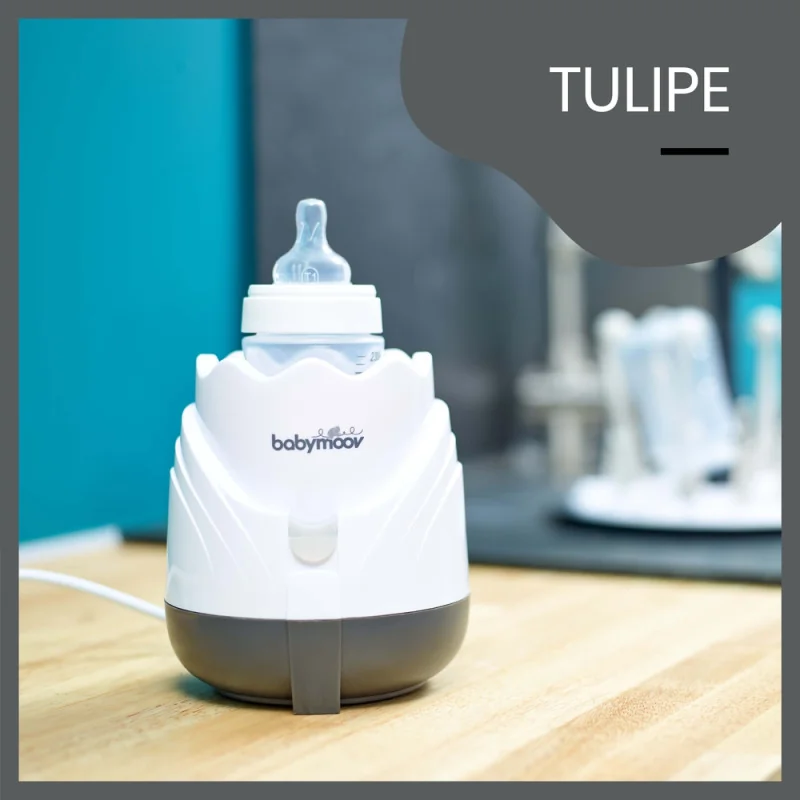
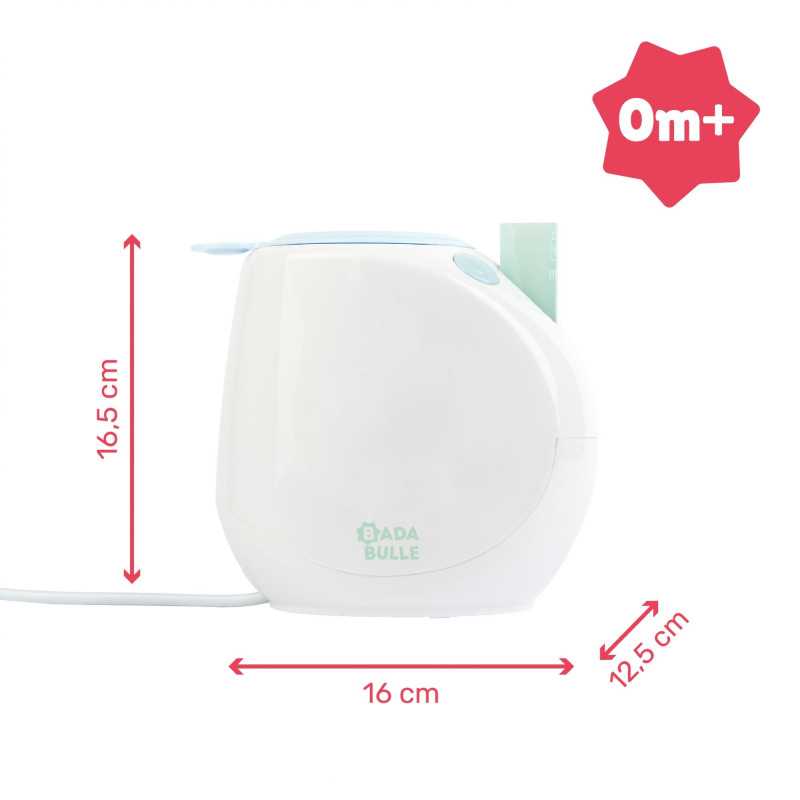
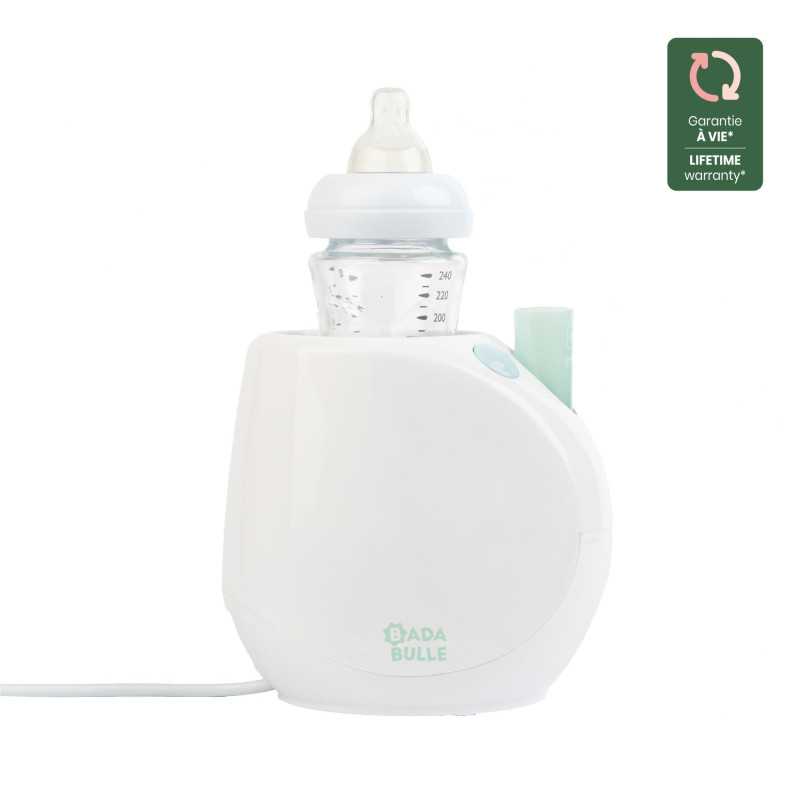
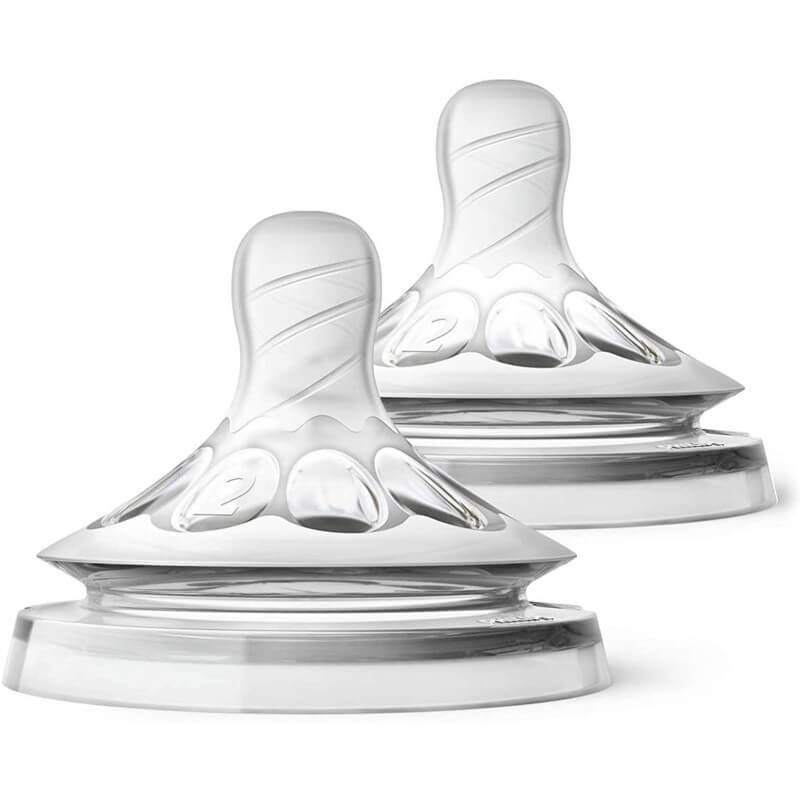
Our bottle warmers department brings together Babymoov and Badabulle models for home, car or outings, as well as combined appliances such as a bottle warmer and steriliser or a bottle maker. For bottles, see our Philips Avent baby bottles and teats. Unsure about compatibility? Our advisers will help you at our showroom in Casablanca (Maârif).
Our selection: Bottle warmers
Portable bottle warmer: useful when travelling?
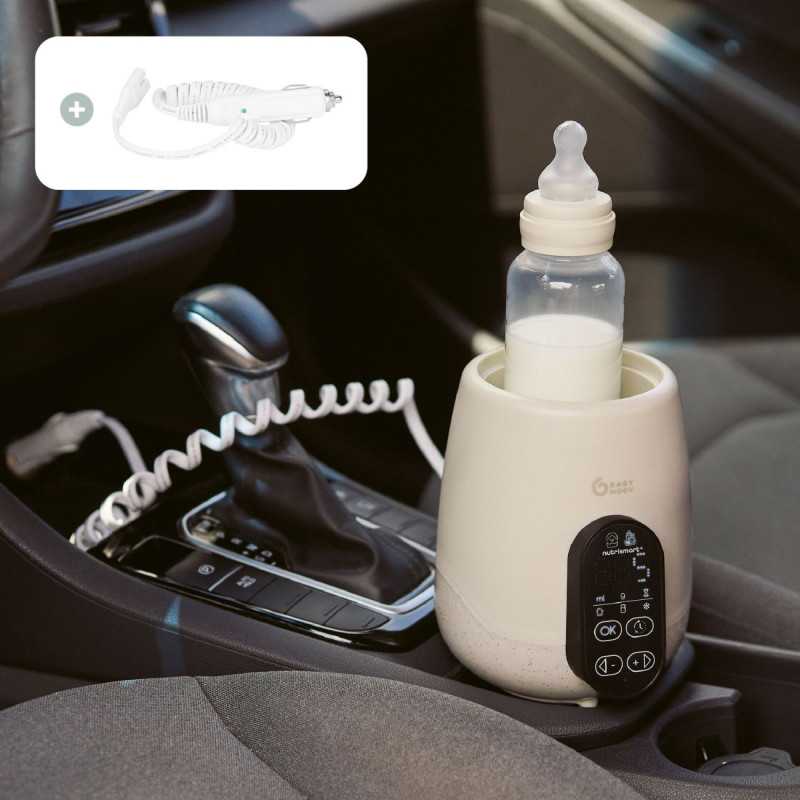
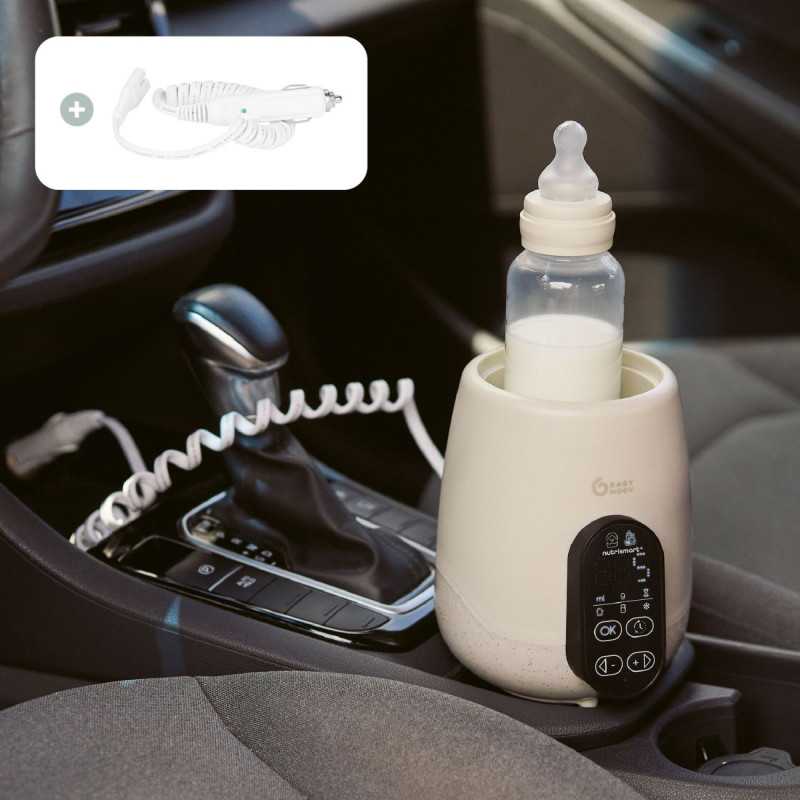
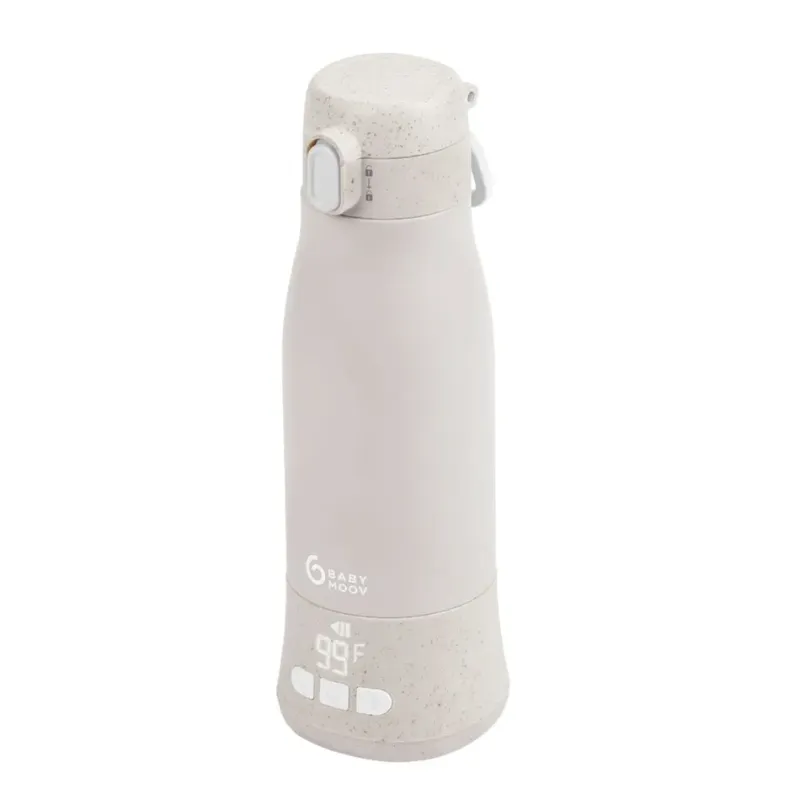
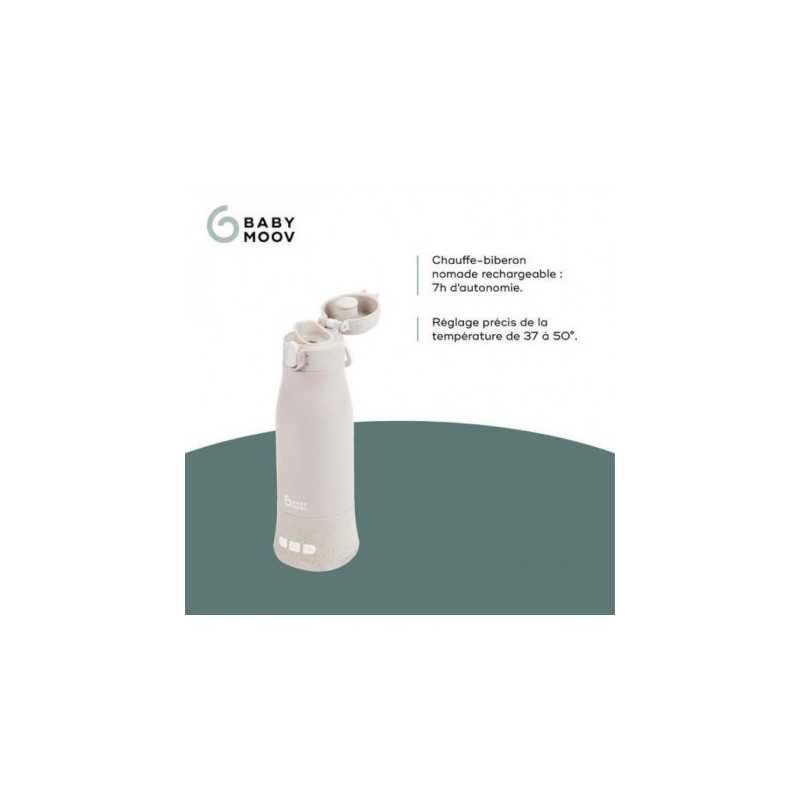
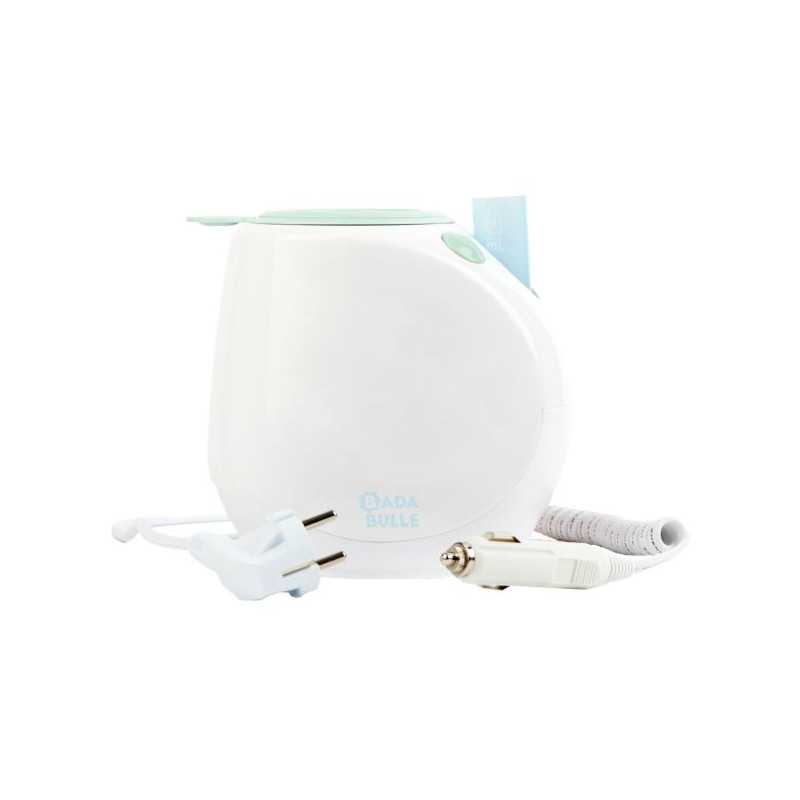
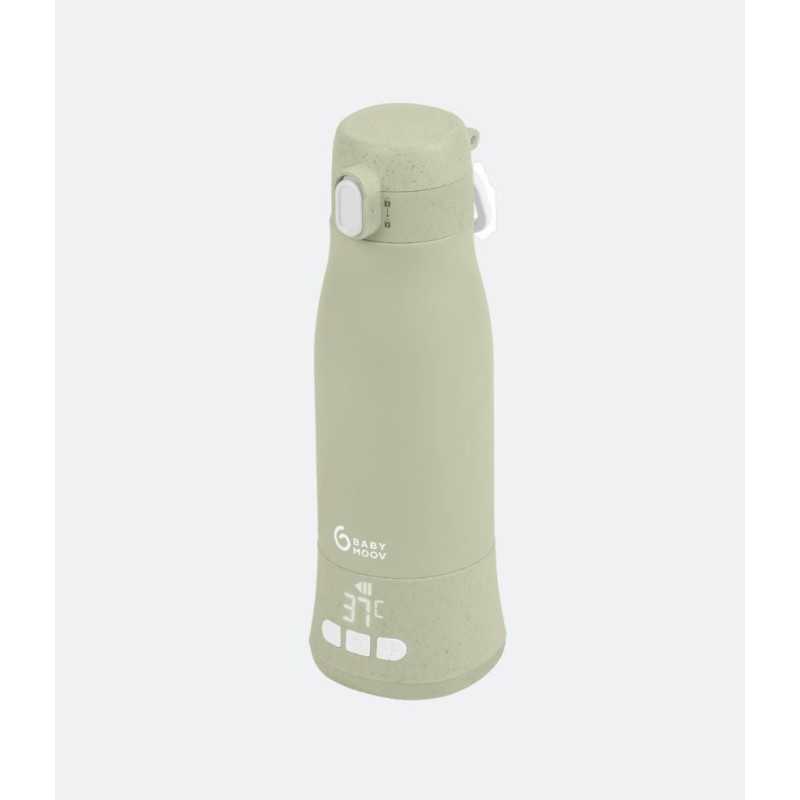
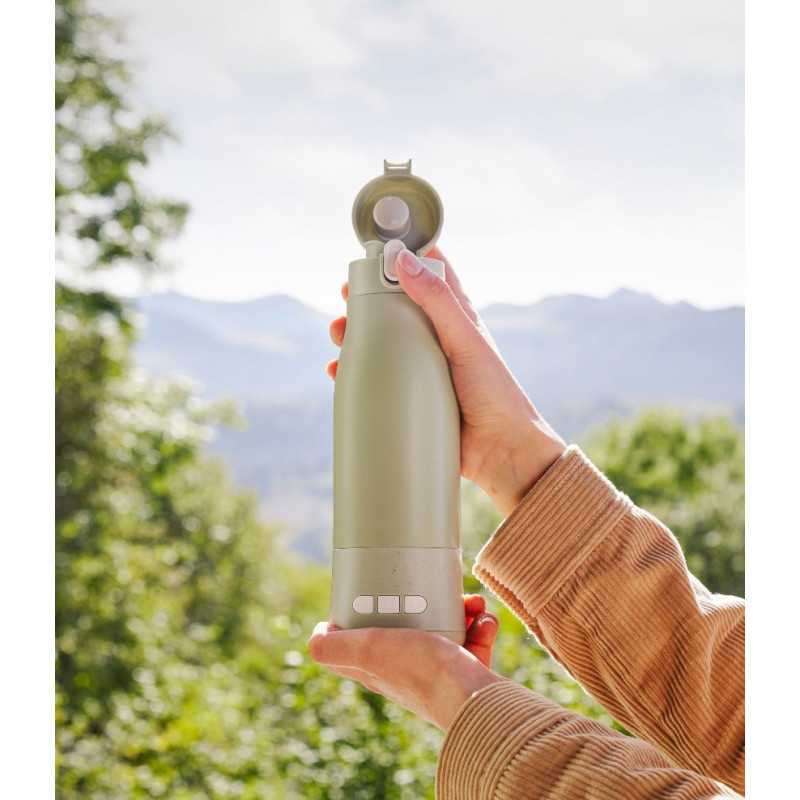
A portable bottle warmer lets you give lukewarm milk in the car, when visiting or when travelling. It remains a convenience: milk can be drunk at room temperature, ameli points out. Depending on the model, it plugs into the car’s cigarette lighter or works without a socket: check the instructions.
- Prepare the milk at the last minute: at room temperature, a prepared bottle must be given within the hour, otherwise it is thrown away.
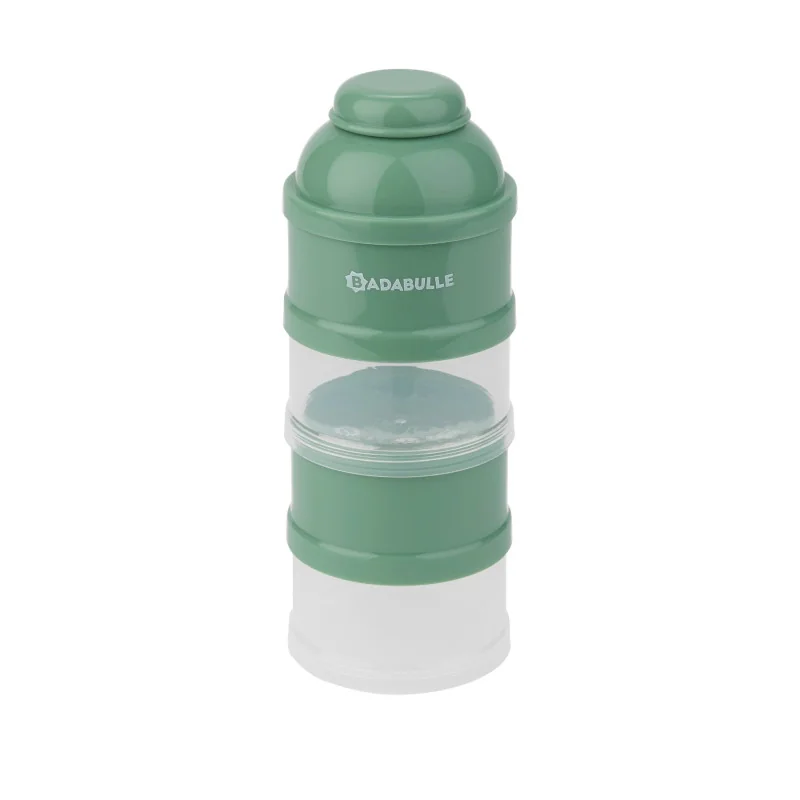
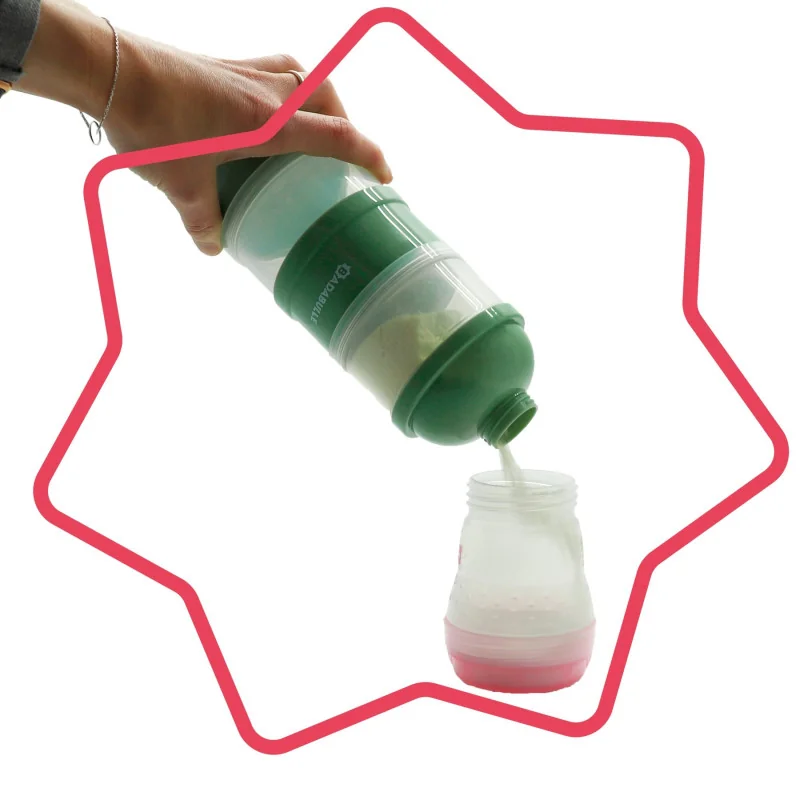
- Take pre-measured doses of formula in a dispenser, to mix with water suitable for infants.
- Keep the same habits: shake, test on your wrist, give within half an hour.
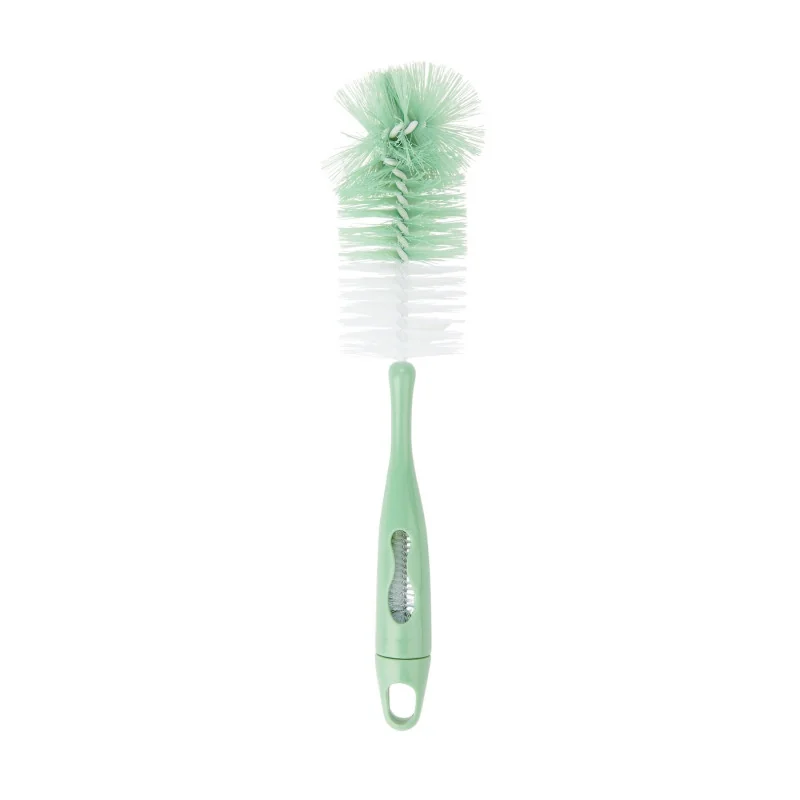
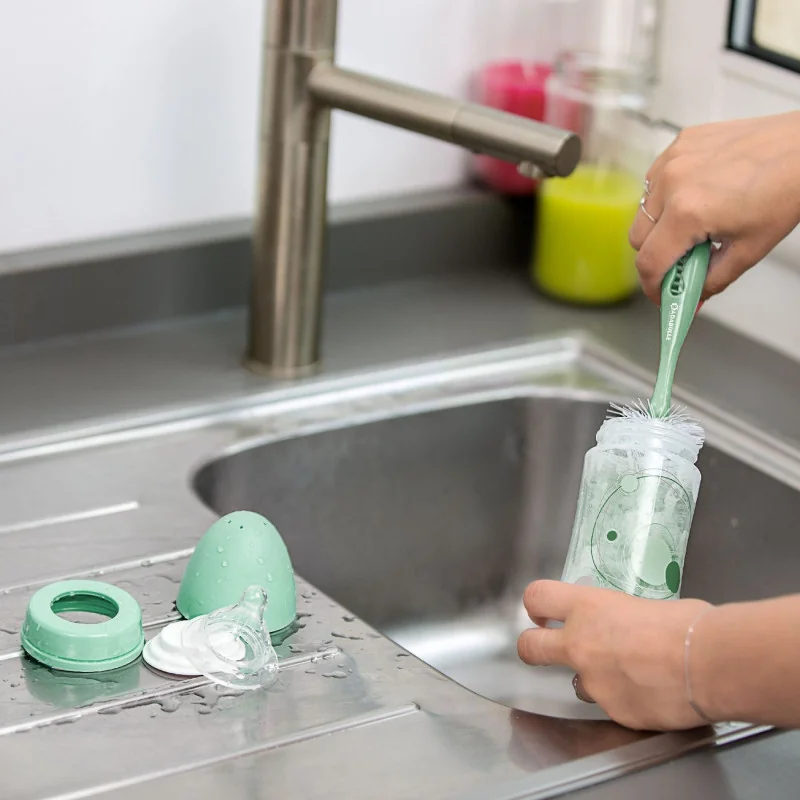
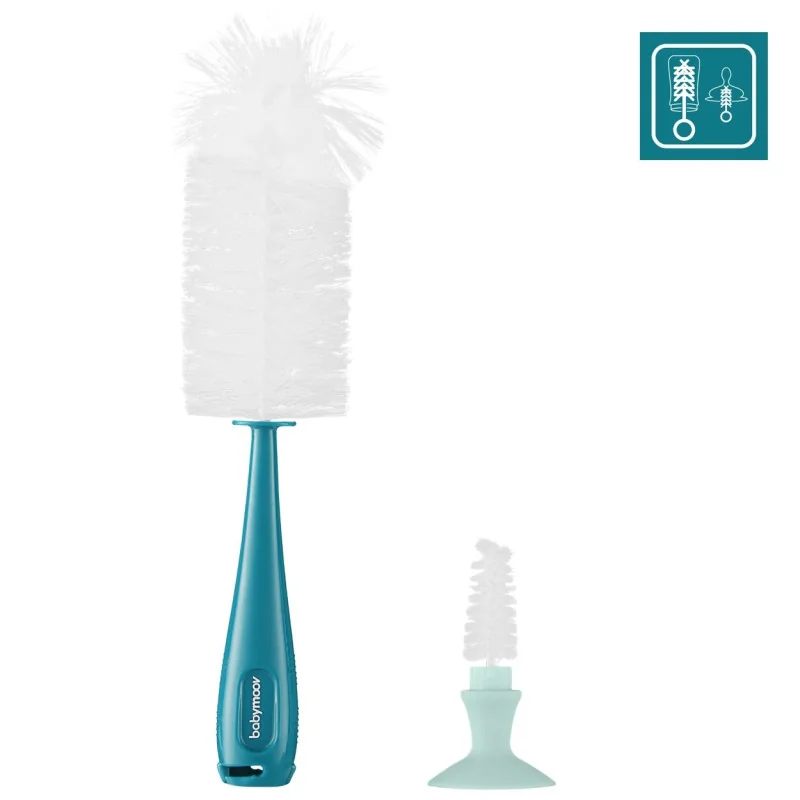
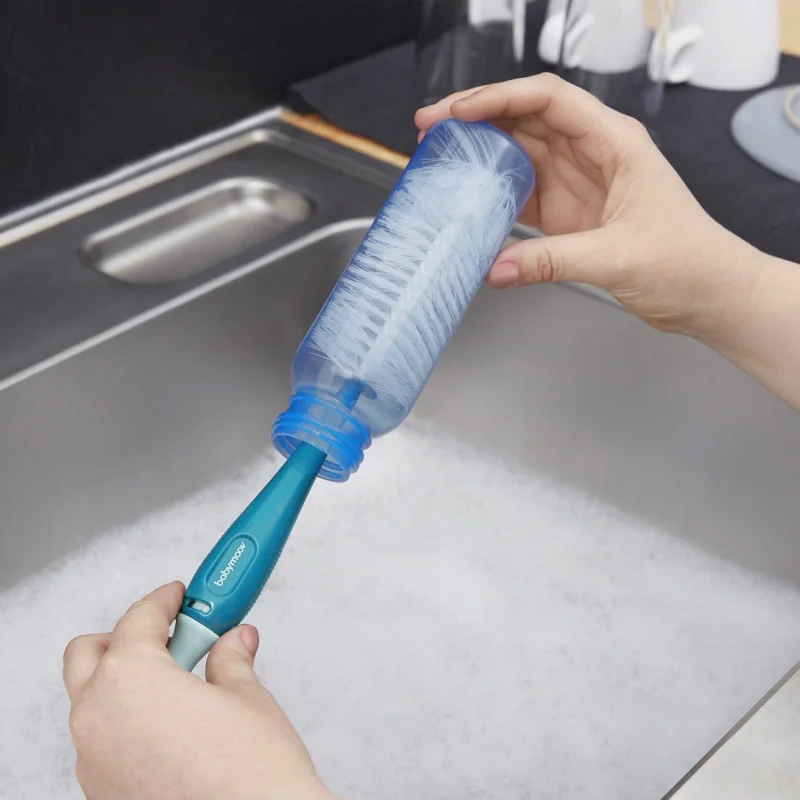
Formula dispensers, bottle brushes and insulated bags are in our bottle accessories, everything you need to complete your changing bag.
Our selection: Bottle accessories
Warming breast milk and baby food jars
For expressed breast milk, the UK health service (NHS) gives clear guidelines:
- Thawing: preferably slowly, in the fridge. Once thawed, the milk must be used straight away and never refrozen.
- Warming: to body temperature, by placing the bottle in a container of warm water or under the warm tap. With a bottle warmer, follow the breast milk settings in the instructions.
- Never in the microwave or on the hob, whether warming or thawing.
- After the feed: any leftover milk is thrown away.
To express and store your milk, see our guide to choosing a breast pump.
What about baby food jars?
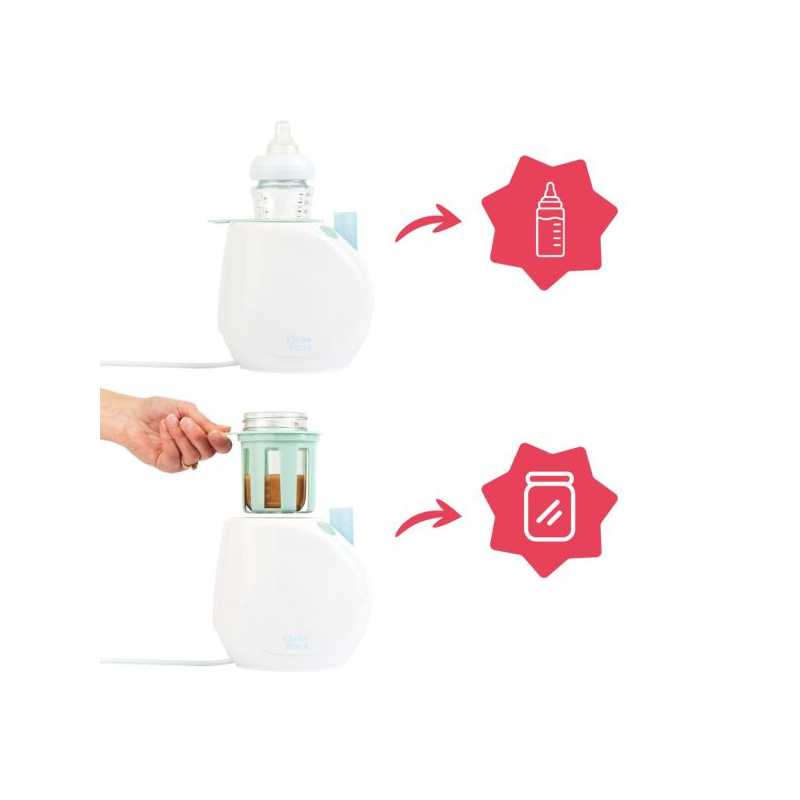
Some bottle warmers also heat baby food jars: the instructions list the containers accepted and the settings. Stir and check the temperature before serving.
Frequently asked questions
How do you warm a bottle without a microwave?
In a bain-marie or a bottle warmer, the two methods recommended by ameli and Anses. Warm quickly so as not to exceed 37 °C, shake well, then test a few drops on the inside of your wrist. Avoid the microwave: it heats unevenly and creates hot spots.
Can you rewarm a bottle that has already been warmed?
No. A warmed bottle must be drunk within half an hour, according to ameli and Anses. After that time, or if it has been started, the milk must be thrown away. Health Canada adds that a warmed bottle should not be put back in the fridge.
At what temperature should you give a bottle?
Milk must not exceed 37 °C. It can also be drunk at room temperature: according to ameli, warming it isn’t essential. In all cases, test a few drops on the inside of your wrist, even with a device that has a thermostat.
Bottle warmer or bain-marie?
Both are recommended by the French health authorities. A bain-marie needs no appliance, but must be watched by hand. A bottle warmer is more practical for frequent feeds and at night, especially with automatic shut-off. The rules stay the same: 37 °C maximum, wrist test, half an hour.
How long can you keep a warmed bottle?
Half an hour at most after warming, according to ameli and Anses. At room temperature, a prepared bottle keeps for one hour, then the milk is thrown away. The keep-warm function on some appliances does not extend these time limits.
Portable bottle warmer: is it useful?
Useful if you travel often and your baby prefers lukewarm milk, but not essential: milk can be drunk at room temperature. Depending on the model, it plugs into the cigarette lighter or works without a socket. The temperature and timing rules stay the same.
Is a bottle warmer really useful?
It isn’t essential, since milk can be drunk at room temperature according to ameli. It becomes handy if your baby prefers lukewarm milk, especially for night feeds. In that case, choose a model compatible with your bottles, ideally with automatic shut-off.
Our other buying guides
Out and about: Choosing a stroller · Choosing your baby's car seat · Baby carrier or baby wrap · Choosing a changing bag · Tricycle, balance bike or kids' bike
Sleep: Choosing a baby cot and mattress · Crib or bedside crib · Travel cot and playpen · Baby sleeping bags: size and TOG · Choosing a baby monitor
Feeding and breastfeeding: Choosing a breast pump · Choosing the right nursing pillow · Choosing a bottle and teat · Sterilising bottles · Choosing a high chair · Kids’ lunch boxes
Bath, care and comfort: Baby baths and bath-time safety · Nasal aspirators and nose cleaning · Choosing the right pacifier · Bouncer, baby swing or baby rocker: which one to choose
Play and gifts: Educational games and Montessori toys by age · Newborn gift ideas
Need advice? Come and see us in Casablanca
Our advisers welcome you at our Casablanca showroom, 93 rue Brahim Nakhai, Maârif, Monday to Saturday, 9:30 am to 8 pm (closed on Sundays).
Phone: +212 5 22 23 35 34 · WhatsApp: 06 61 14 46 02
Delivery across Morocco (by our own team in Casablanca, by Amana elsewhere), free from 300 DH spent. Pickup available at the showroom. 7-day returns.