Buying guide · La Maison du Bébé

A nasal aspirator is used to suck out mucus from your baby’s nose, after loosening it with a few drops of saline solution. But the reference method remains the nasal wash: according to the French national health insurance (ameli), a nasal aspirator clears the nose less effectively. Here are the steps described by the health authorities, how to choose the equipment and the signs that should prompt you to see a doctor.

Key points
  • Before 3 months, babies breathe only through their nose: a blocked nose can disrupt feeding and sleep
  • A nasal wash with single-dose saline solution is the reference method (ameli)
  • Baby lying on their side, head held to the side, to prevent choking
  • The nasal aspirator complements the wash, only when needed, and gently
  • Clean equipment, maintained according to the instructions and kept for one child only
  • At the slightest worrying sign, see a doctor; your pharmacist can also advise you

Why and when should you clear your baby's nose?

A baby under 3 months breathes only through the nose, notes the family health website Naître et grandir. When their nose is blocked, they may struggle to feed, choke or cough during feeds, and sleep less well.

Most often, a blocked nose is a symptom of a cold, a very common and harmless viral infection. There are other causes, such as allergies: if in doubt, talk to your doctor.

The best times to clear the nose

  • Before meals, to prevent vomiting, ameli specifies
  • Just before bedtime
  • As often as needed when the nose is very congested

Nasal washing: the steps recommended by ameli

France's Assurance Maladie describes this technique for babies under 6 months. Use single-use pods of saline solution: mineral or tap water is not recommended. Wash your hands before you start.

  1. Lay your baby on their side (or possibly on their back) and hold their head to the side: this is very important to prevent choking
  2. Gently place the tip of the pod at the entrance of the upper nostril
  3. Squeeze the pod to release its contents into the nostril
  4. Wait until your baby has swallowed properly and the secretions have drained
  5. Wipe their nose with a disposable tissue

For the other nostril, lay your baby on the other side and turn their head. If the nose is already clear, there is no need. On your own with a wriggly baby? Ameli suggests wrapping them in a towel to hold them steady.

From 6 months

Washing can be done lying down or sitting up, with your baby's back against you. With a spray, spray without too much pressure, clean the nozzle with hot water after use and keep the bottle for your child only.

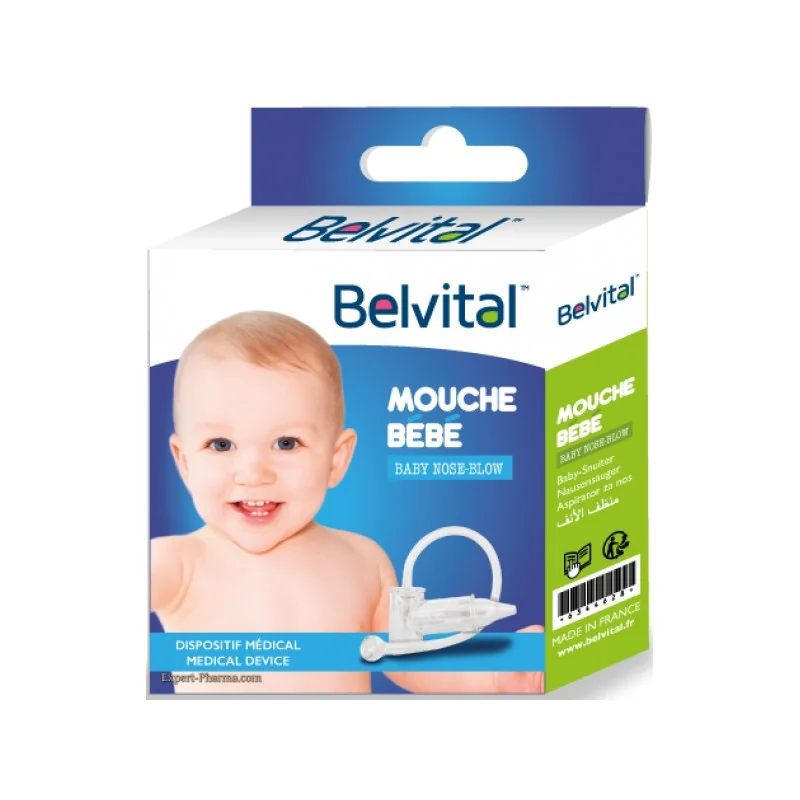
How do you use a nasal aspirator?

The nasal aspirator comes after the saline solution: ameli describes it as a device that sucks out mucus first thinned with a few drops of saline. It adds that it clears the nose less well than washing.

  • Only when needed: this is how Naître et grandir presents its use
  • Gently: your baby's nose is delicate, take care not to irritate it
  • When a blocked nose makes feeding difficult: the Canadian Paediatric Society then suggests a nasal bulb syringe to remove the mucus
  • Follow the instructions: each model has its own instructions, to read before first use

If you are unsure about the technique, ask your pharmacist or doctor to show you. Browse our bath and changing products to complete your baby's care kit.

Manual or electric nasal aspirator: how to choose?

There are manual nasal aspirators, operated by the parent, and electric models. The official sources consulted do not recommend one type over the other: choose the one you will find easy and gentle to use.

  • Easy to take apart and clean, for impeccable hygiene
  • The age stated by the manufacturer in the instructions
  • Spare parts (tips, filters) if the model offers them
  • For one child only: as ameli advises for the spray bottle, keep the equipment for a single child

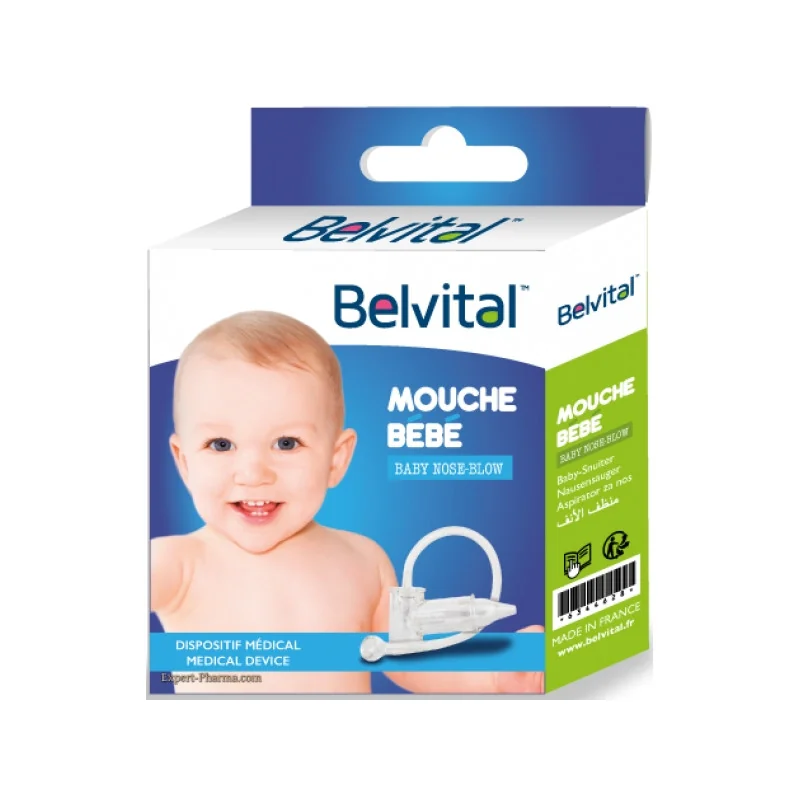
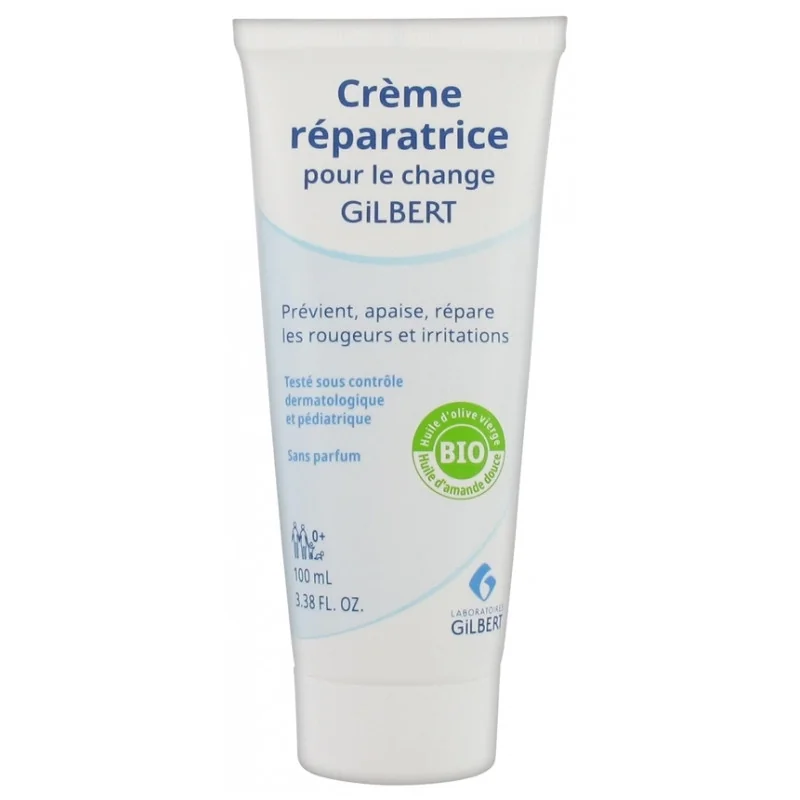
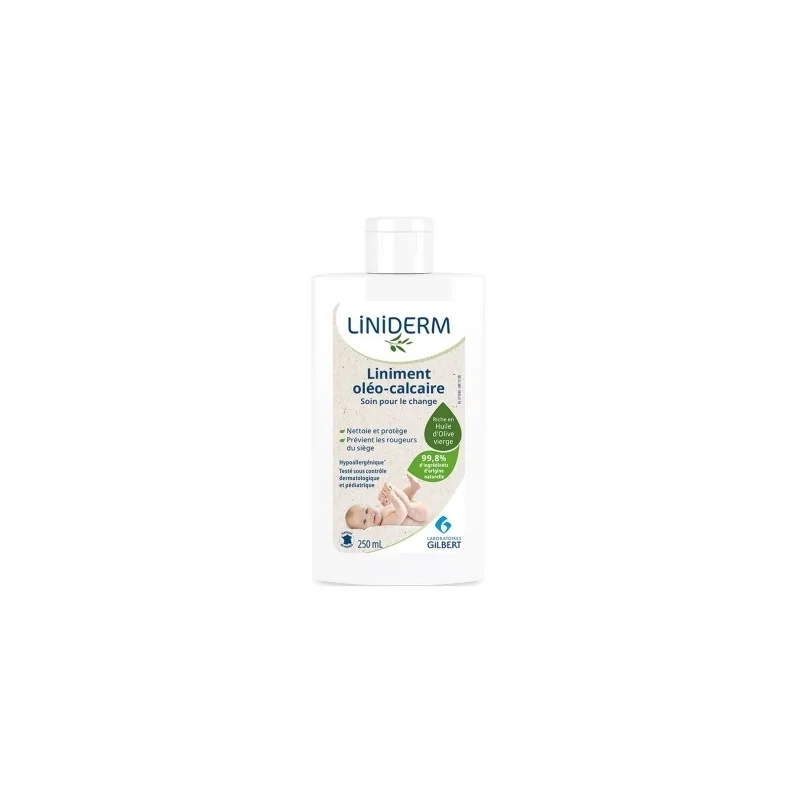
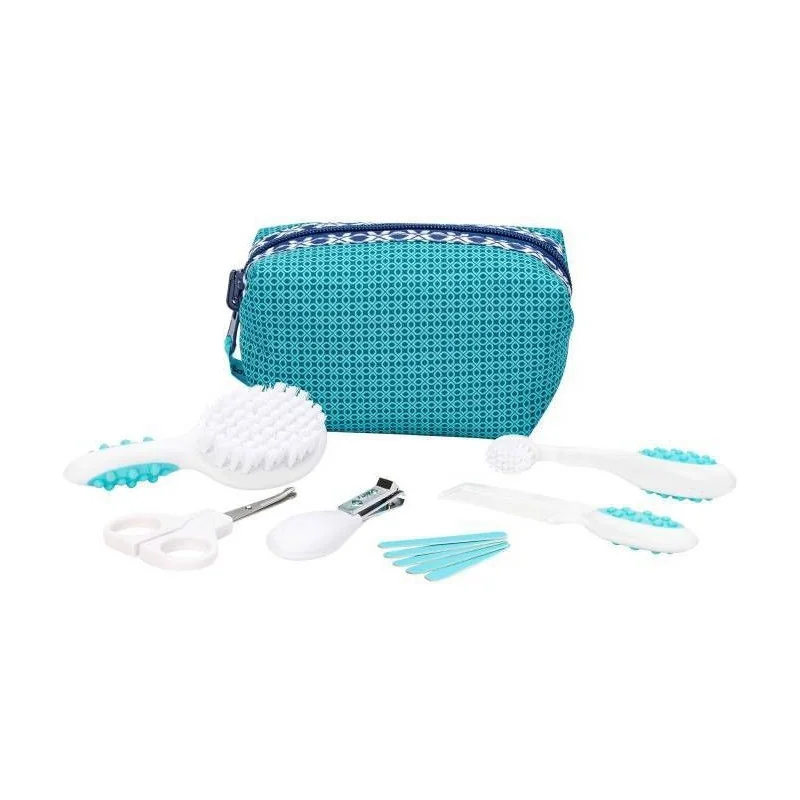
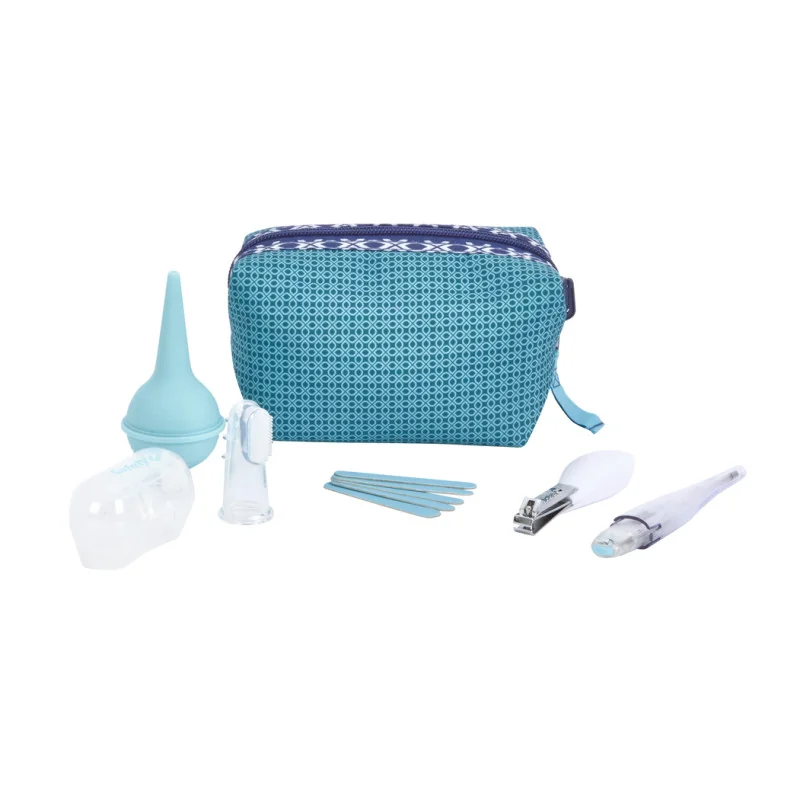
Our nasal aspirators department and our baby care selection bring together products from Babymoov, Pasito a Pasito, Belvital, Saro and Laboratoires Gilbert, with delivery across Morocco. Our advisers at the showroom in Casablanca (Maârif) can also help you choose.

Our selection: Baby care

How to clean the nasal aspirator and equipment

The nasal aspirator comes into direct contact with secretions: regular cleaning is essential.

  • Follow the manufacturer's instructions for taking apart, washing, drying and replacing parts
  • After each use: ameli recommends washing, rinsing thoroughly and drying the nasal irrigator. For the nasal aspirator, follow the method given in its instructions
  • Spray bottle nozzle: clean with hot water after use
  • Single-use pods: once opened, they cannot be kept
  • Clean hands before care, disposable tissues

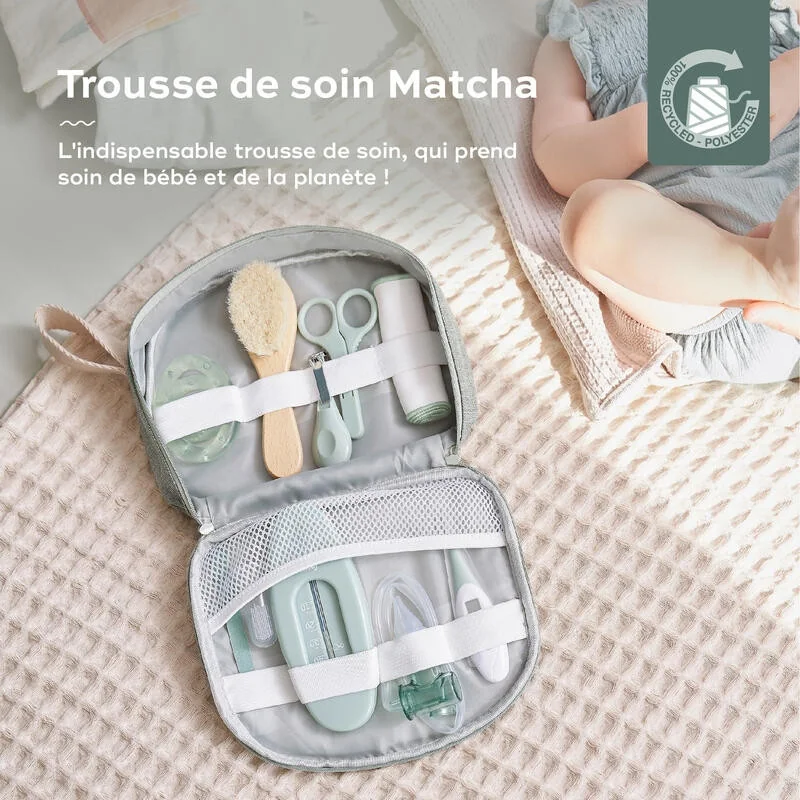
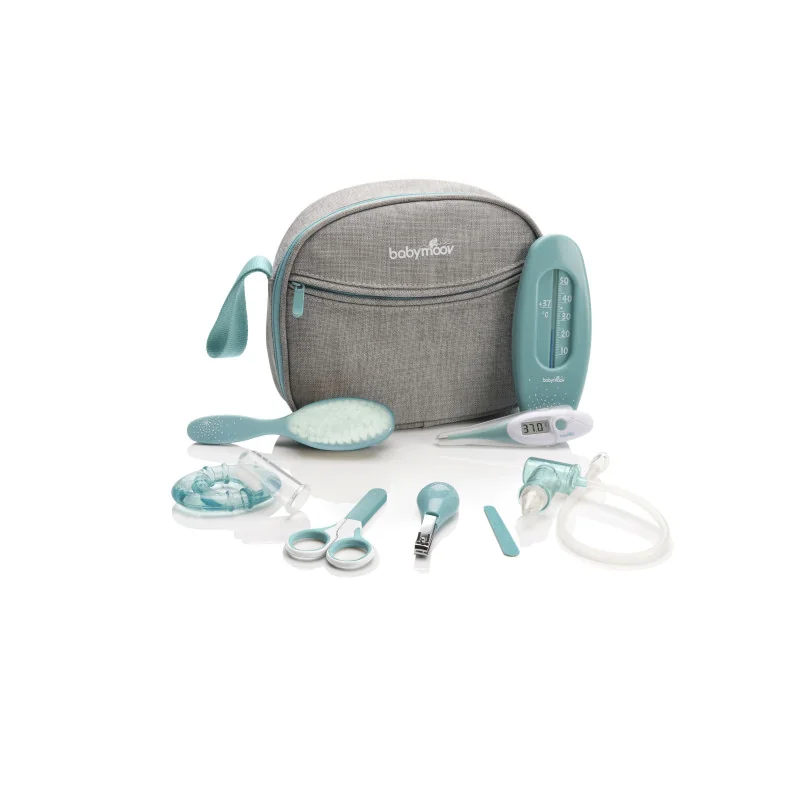
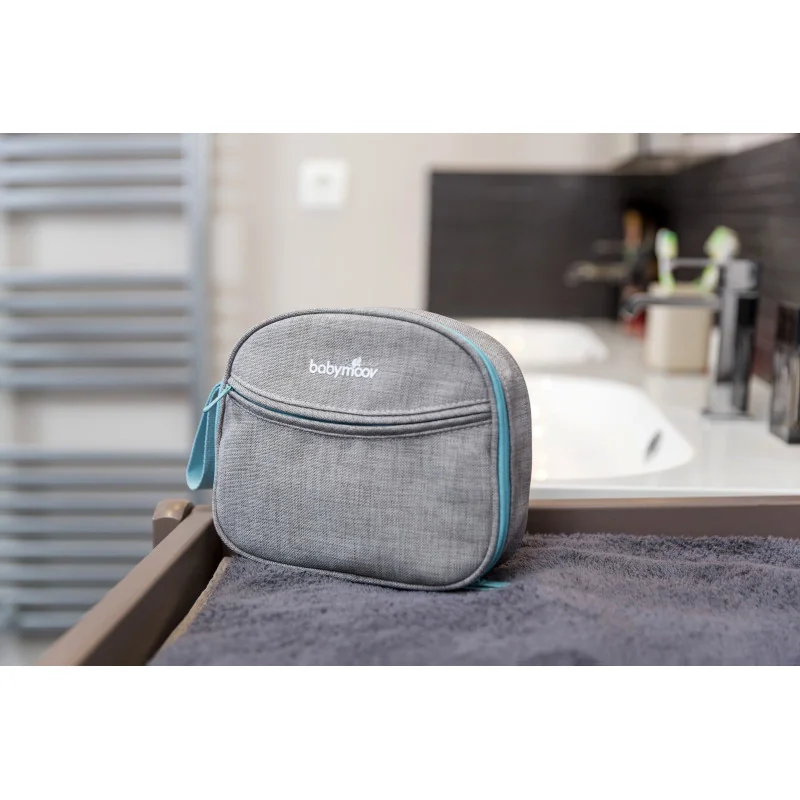
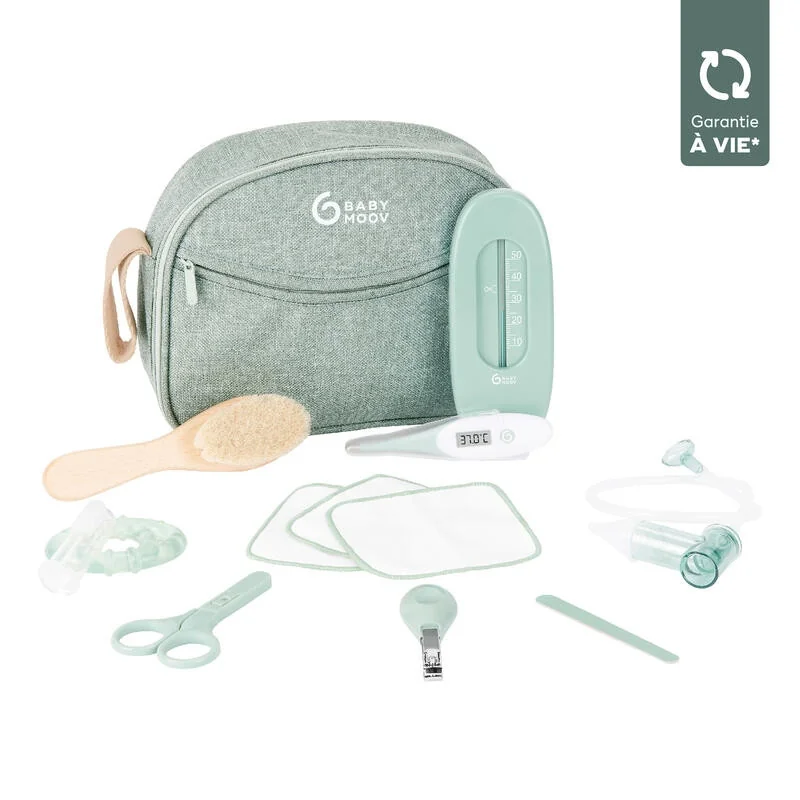
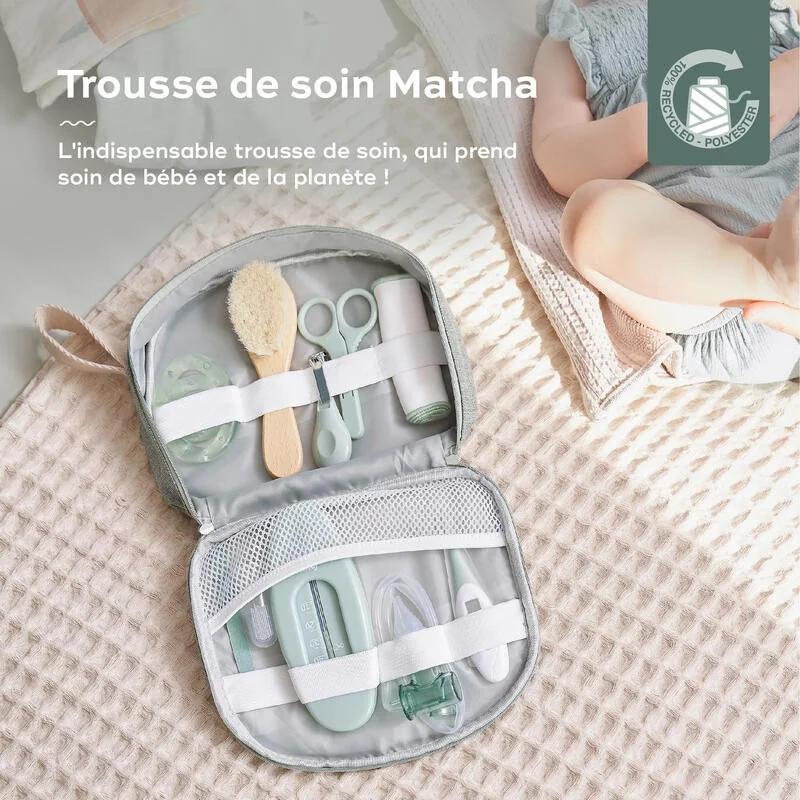
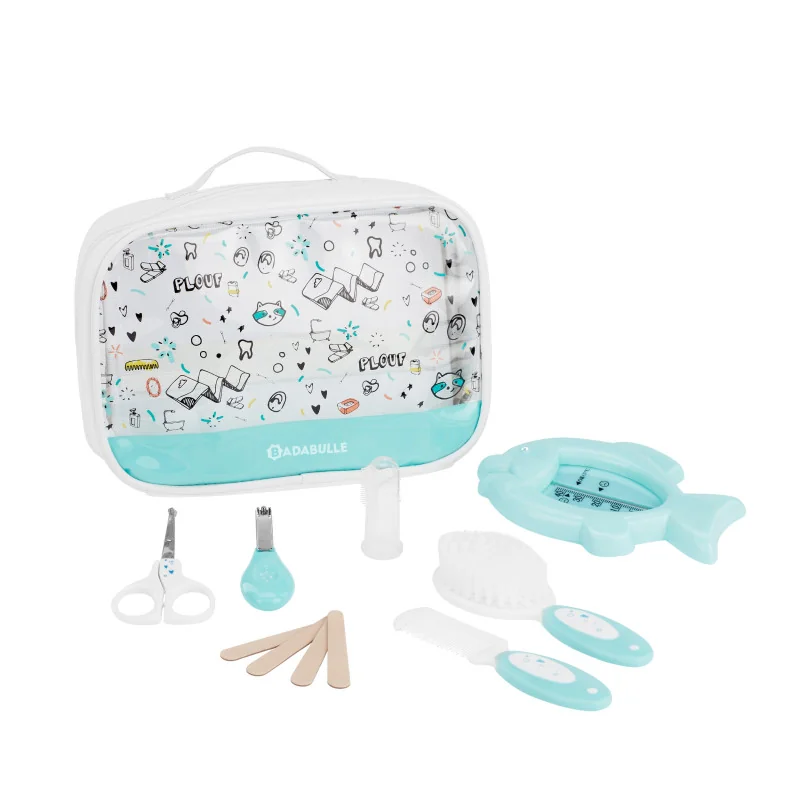
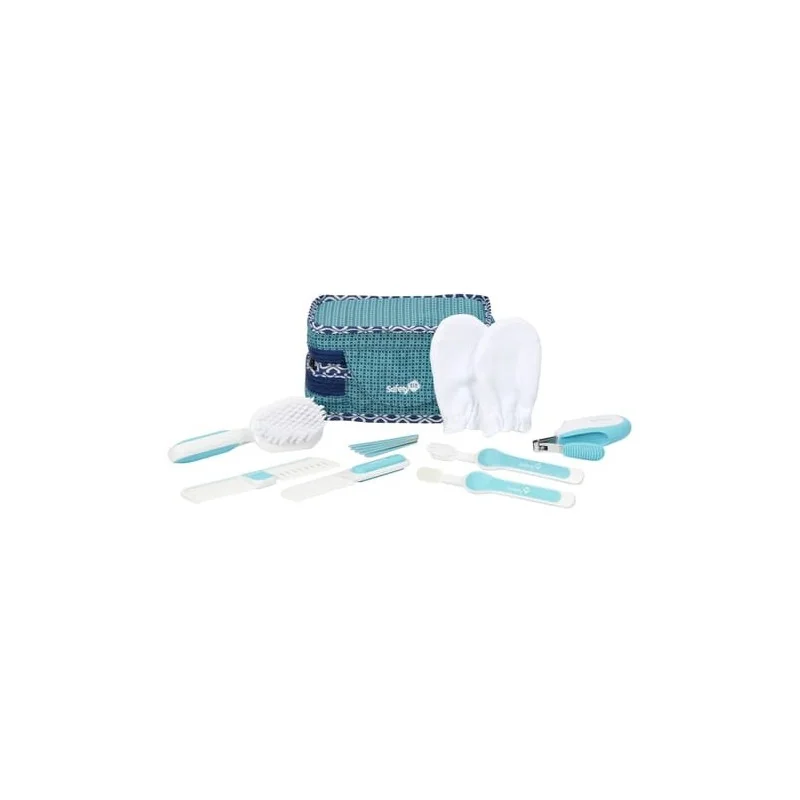
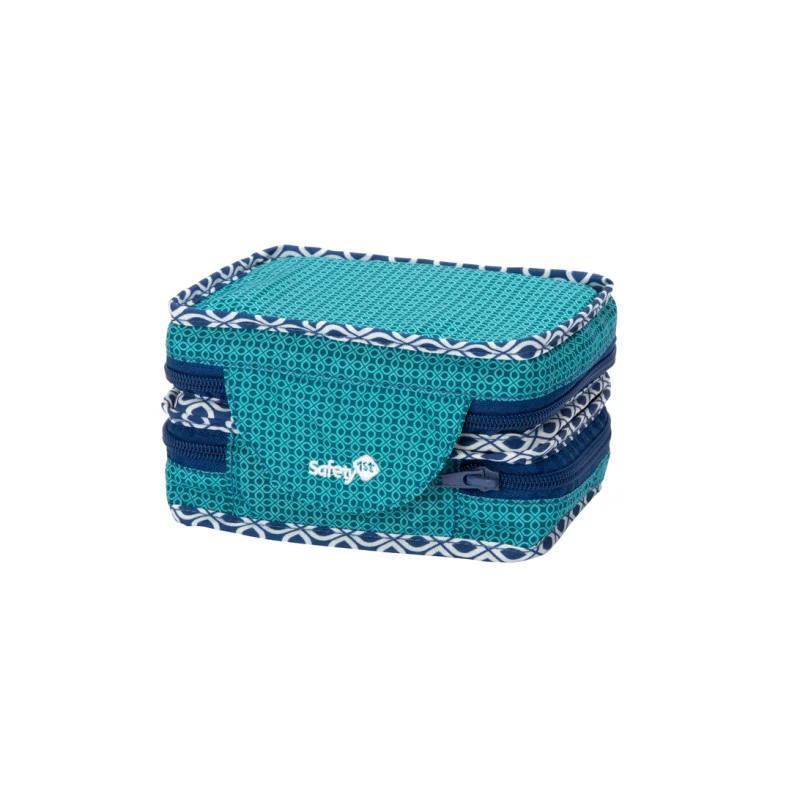
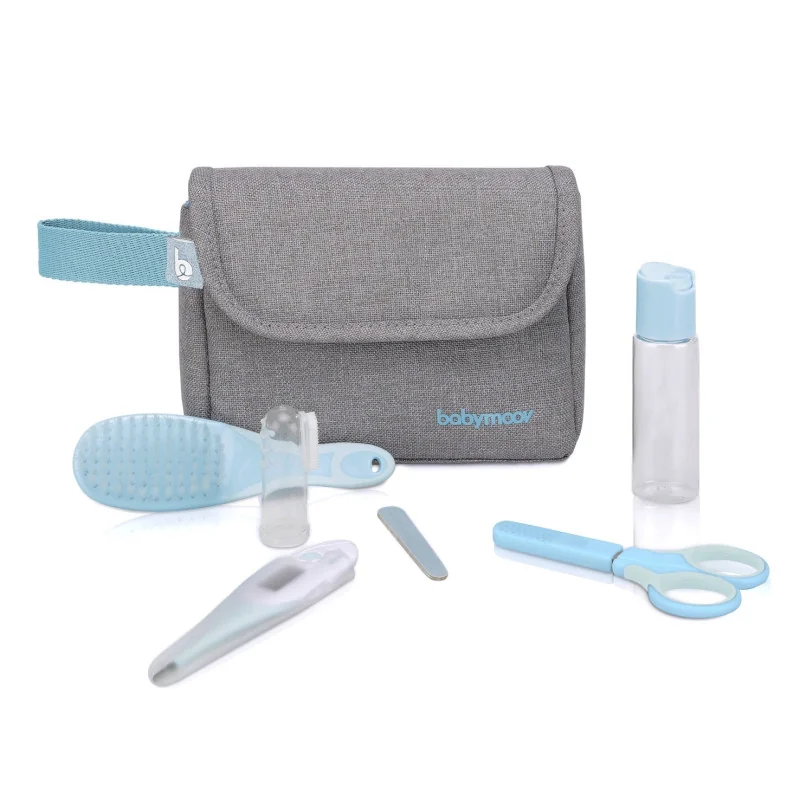
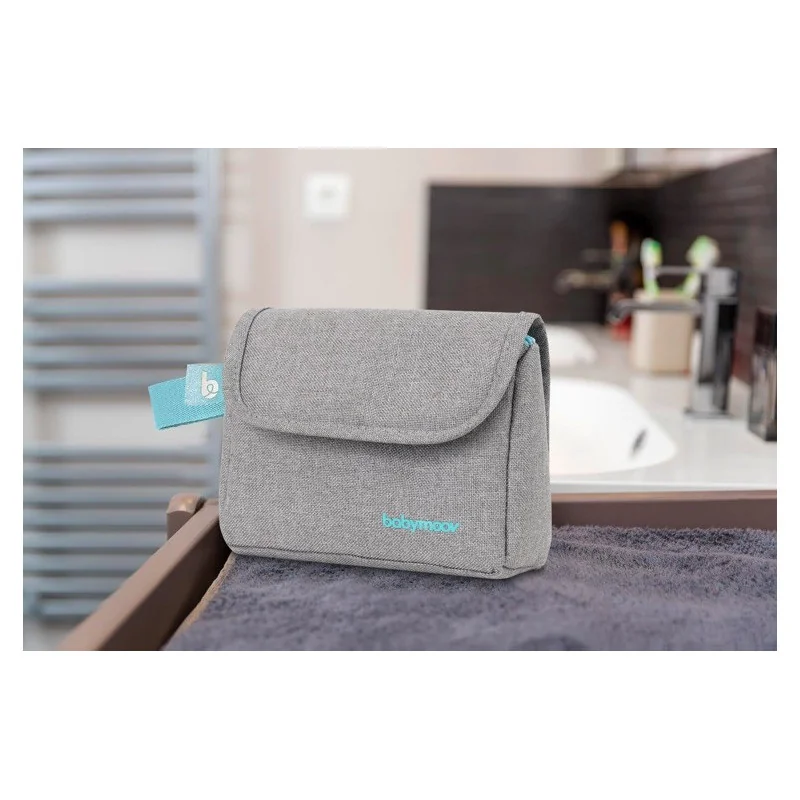
Store everything in a dedicated toiletry bag, together with your baby thermometer.

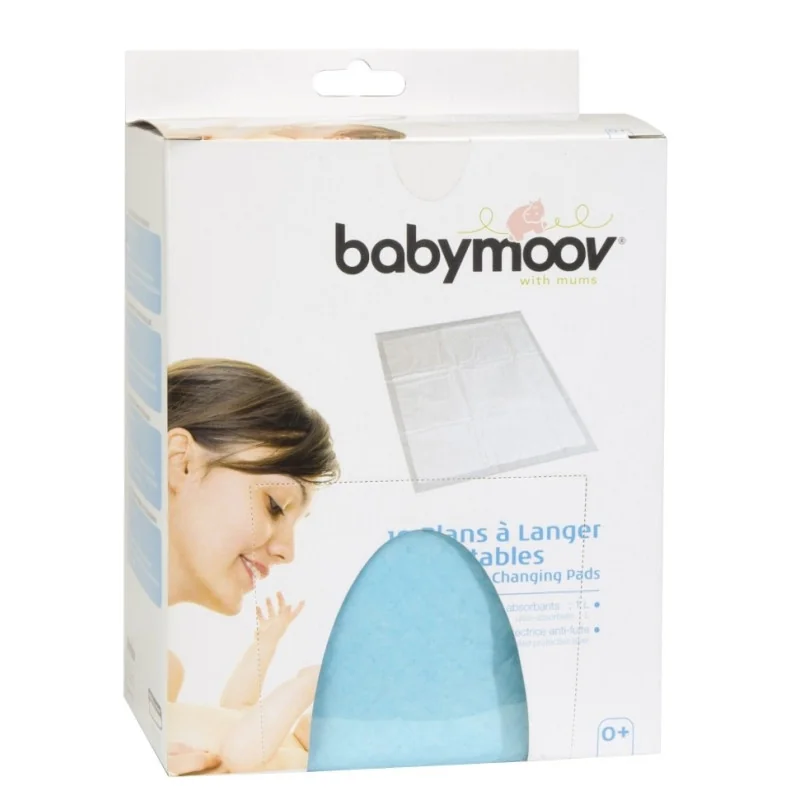
Our selection: Bath and changing

When should you see a doctor?

A blocked nose is often mild, but certain signs should prompt you to see a doctor. If in doubt, call your doctor or ask your pharmacist for advice.

See a doctor if your baby

  • is under 3 months and has difficulty breathing, is not eating, is vomiting or has a fever (Canadian Paediatric Society)
  • has had a blocked nose for more than 10 days
  • has had a fever above 39 °C for 48 hours
  • has runny eyes or a persistent cough
  • is breathing with difficulty or rapidly
  • is vomiting or refusing to eat or drink
  • is very irritable or hard to wake
  • has a skin rash

These signs come from Naître et grandir, unless otherwise stated.

Call emergency services immediately

According to ameli, if your baby has symptoms of bronchiolitis and:

  • is under 2 months, was born prematurely (before 36 weeks of gestation) or has a heart or respiratory condition or an immune deficiency
  • drinks less than half of their bottles over 3 feeds in a row, or cannot breastfeed
  • vomits every time, or sleeps all the time and lacks muscle tone
  • is pale, whimpering, or if their lips and fingers are turning blue
  • is finding it harder and harder to breathe

Do not use decongestant sprays: ameli points out that nasal solutions containing vasoconstrictors are prohibited for children up to the age of 15. For any other product, ask your doctor or pharmacist for advice.

Frequently asked questions

How do you clear a baby’s nose?

Start with a nasal wash using single-dose saline solution, with your baby lying on their side and their head held to the side, as described by ameli. Then wipe their nose with a disposable tissue. If any mucus remains, a nasal aspirator can complete the process, gently.

How do you use a nasal aspirator?

First loosen the mucus with a few drops of saline solution, then suck it out with the nasal aspirator, following the manufacturer’s instructions. Go gently, as your baby’s nose is delicate. Your pharmacist can show you how.

Manual, tip or electric nasal aspirator?

The official sources consulted do not favour any type. Choose a model that is easy to take apart and clean, suited to your baby’s age according to the instructions. Whatever you choose, ameli points out that a nasal aspirator clears the nose less effectively than a nasal wash.

When should you wash your baby's nose?

Before meals, to prevent vomiting, and just before bedtime, ameli recommends. When the nose is very congested, you can repeat it as often as needed during the day.

How do you clean a nasal aspirator?

Follow the manufacturer's instructions for taking it apart, washing and drying. Ameli recommends washing, rinsing and drying nasal washing equipment after each use and keeping the bottle for a single child: a good habit to keep for the nasal aspirator too.

When should you see a doctor?

See a doctor if your baby is under 3 months and has difficulty breathing, is not eating, is vomiting or has a fever, or if their nose stays blocked for more than 10 days. Call emergency services if they are finding it harder and harder to breathe, drink less than half of their bottles over 3 feeds in a row, or if their lips turn blue. If in doubt, your doctor or pharmacist will advise you.

Need advice? Come and see us in Casablanca

Our advisers welcome you at our Casablanca showroom, 93 rue Brahim Nakhai, Maârif, Monday to Saturday, 9:30 am to 8 pm (closed on Sundays).
Phone: +212 5 22 23 35 34 · WhatsApp: 06 61 14 46 02
Delivery across Morocco (by our own team in Casablanca, by Amana elsewhere), free from 300 DH spent. Pickup available at the showroom. 7-day returns.