









Article contents
Key points
- Jealousy, worry and small regressions are normal, whatever the older child's age.
- Announce the pregnancy in simple words, before they hear it from someone else.
- Finish potty training or the move to a big bed before the birth, or wait until baby has settled in.
- Every day, a moment just for them, with a parent or grandparent.
- To be safe, under 5, do not leave the older child alone with the baby: an adult stops any rough gesture.
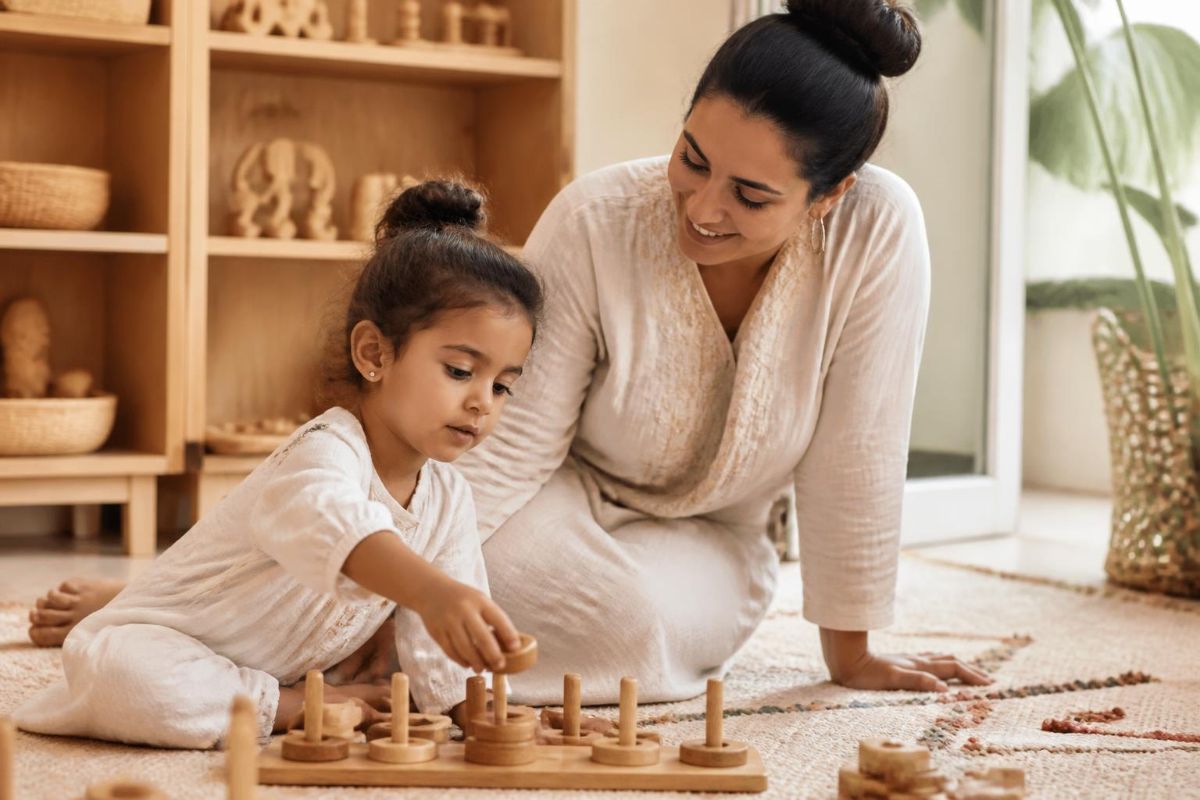
Your 3-year-old son had been potty trained since the summer. Since his baby sister came home from the maternity ward, he wets his pants again, asks for a bottle and strokes the baby a little too hard. This jealousy of the new baby is no parenting failure: it is the expected reaction of a child who sees a rival arrive in their parents' hearts.
Quebec health authorities remind us that worry and jealousy are normal, whatever the older child's age. You cannot prevent them, but you can soften them a great deal. Here is how to prepare your big one during pregnancy, support them through the first weeks, and involve the extended family, who matter so much in Morocco.
Why is the older child jealous of the baby?
Because they fear being dethroned. Until now, they had their parents all to themselves. Suddenly a newborn who cries, feeds and sleeps takes up all the attention, and visitors lean over the cot before saying hello to them. A Swiss clinical psychologist puts it simply: the older child does not want to lose their place, and that is legitimate.
This jealousy sometimes shows openly, through anger or rough gestures. It can also come out as disturbed sleep or a child who "becomes a baby again". It does not rule out affection.
One point is agreed on: you cannot demand that they love the baby. The paediatricians of the Association française de pédiatrie ambulatoire (AFPA) say it clearly, they do not have to love them straight away. The bond builds over time.
When and how to tell the older child about the pregnancy?
After the first trimester, advises the AFPA, but before they hear it from someone else. In a large family, where news travels fast, it is best not to wait too long. The words should stay simple: "You are going to have a little brother or sister. They are in my tummy, they are not ready yet."
Nine months is an eternity for a toddler. Give them a landmark they know, like "after Eid" or "when it gets very hot", rather than a date. And avoid talking about it all the time: the pregnancy does not need to become the only subject in the house.
Guidelines from the American Academy of Pediatrics (AAP), by the older child's age:
| Older child's age | What helps |
|---|---|
| 1 to 2 years | Talk about it early so they get used to the idea; picture books to learn the words "baby", "brother", "sister" |
| 2 to 4 years | Announce it when buying the baby's things or when they ask about your tummy; a baby doll to care for; their own baby photos |
| 5 and over | Taking part in the preparations: tidying the room, choosing clothes, buying nappies |
At every age, be honest. A newborn sleeps a lot, cries, and will not be able to play for a long time, remind the AAP and Quebec public health. An older child who imagines a ready-made playmate risks being disappointed.
During pregnancy: preparing without upheaval
The golden rule: do not pile up changes. The AAP advises finishing potty training or the move to a big bed before the birth, or otherwise waiting until the baby is well settled at home. The AFPA goes the same way: if your child is not yet clean and dry, this is not the time to take away nappies. Our article on potty training will help you choose the right moment.
For the rest, let them get used to the idea at their own pace:
- They talk to the baby, touch your tummy, feel the baby move when they want to.
- You tell them the story of their own birth: how you waited for them, their first photo, the family's joy.
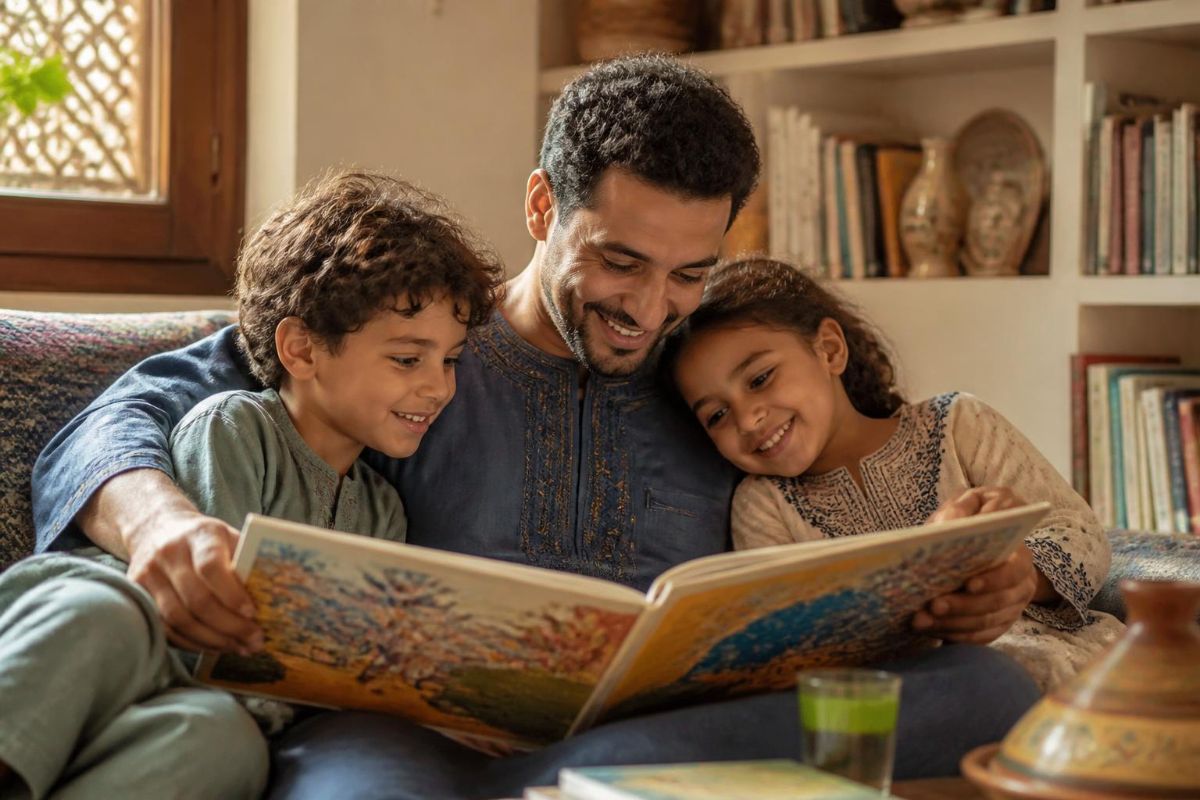
- You read picture books together about a baby's arrival. They show that other children feel the same; our advice on reading with a toddler will guide you.
- They play at "being the parent": the AAP suggests giving them a baby doll to look after. Dolls and baby dolls and pretend-play toys serve this purpose.
Plan for the birth too. Explain that you will be away for a few days and tell them who will look after them: their grandmother, an aunt, their dad. Knowing it in advance avoids them waking one morning without understanding where you are.
From the shop
For the older child, while baby finds their place
A baby doll to look after as mum looks after the baby, a picture book to talk about what they feel, a game to share: small gestures of attention, never a replacement for time spent with them.
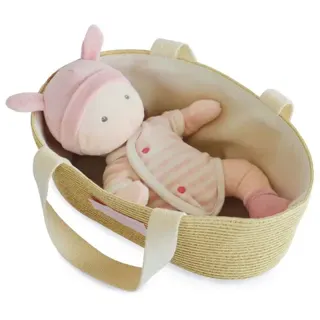 −48 %Doudou et CompagnieComforter doll with crib, pink – Doudou et Compagnie356 DH
instead of 690 DHView product −48 %NathanTake-anywhere emotions picture book – Nathan75 DH
instead of 145 DHView product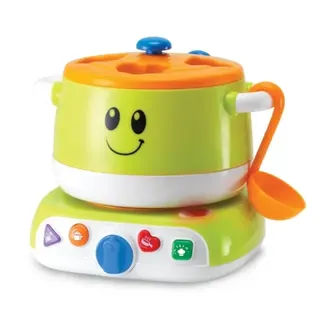 −48 %WinFun3-in-1 magic cooking pot – WinFun112 DH
instead of 215 DHView product −48 %CayroPole-Pole wooden skittles game – Cayro114 DH
instead of 220 DHView product −9 %DoomooYou&Me reversible comforter, Beige – Doomoo255 DH
instead of 280 DHView product- The whole aisle · Dolls and accessories34 products online, delivered anywhere in Morocco.Open the aisle
Products sold by La Maison du Bébé, publisher of this magazine. Prices as of 12 October 2026; please check the product page.
Coming home from the maternity ward and the first visits
If the older child did not come to the maternity ward, the AAP advises having a relative bring them there to meet the baby.
Then come the visits, plentiful in Morocco during the nfissa (the forty days after birth) and around the sbou3, the seventh-day celebration. Gifts pile up for the baby. The AAP suggests two simple gestures: ask visitors to spend a moment with the older child, and have a small present ready for them, given by you or slipped to them by a relative.
The older child becomes a baby again: how to respond?
Wetting the bed or their pants, thumb-sucking, wanting a bottle or the breast, disturbed sleep: the AFPA, the AAP and Quebec public health describe these steps backwards as common and normal.
The best response is the simplest:
- Do not scold, and do not ask them to "stop acting like a baby". The AAP explicitly advises against this kind of remark.
- Give them the attention they are asking for, in cuddles, time together, kind words.
- Praise their big-kid behaviour, when it comes from them.
If a regression sets in for the long term, talk to a professional, advises the AFPA. In many children, the baby's arrival actually has the opposite effect, a real leap in maturity.
A moment just for them, every day
This is probably the gesture that counts most. Quebec public health asks you to give the older child as much interest and attention as the newborn. The AAP suggests setting aside time just for them: reading, playing, listening to music, chatting. What matters is that it is truly theirs, without a phone in your hand.
This time can come from the whole family. The AAP mentions dad, a grandparent or another relative: the grandmother who takes them to the market, the uncle who plays ball with them. For dad, it is often a chance to take his full place; see our article on the role of the new dad.
During feeds, settle them against you with a book or a song, rather than sending them off to play elsewhere.
Involving the older child with the baby, without forcing it
Let the bond come. Quebec public health advises not rushing the older child to become attached to the baby, and staying attentive to what they feel. A Swiss psychologist says it bluntly: do not force them to love them.
Offer small tasks instead, if they want them: bringing a nappy, choosing the day's bodysuit, singing during the bath. Explain that you cared for them in exactly the same way when they were small, with photos to prove it. From about 5 and up, the AAP suggests showing them how to hold the baby, provided they ask first. And notice every tender gesture: "You were very gentle with your sister."
They hit or squeeze the baby too hard: how to respond?
By stopping the act straight away, calmly. The AAP recommends constant supervision of toddlers and preschoolers to prevent aggressive behaviour. To be safe, do not leave an older child under 5 alone with the newborn, even for a few minutes.
When the rough gesture happens:
- Move the older child away without shouting, and check that the baby is fine.
- Name the rule and the emotion: "You are allowed to be angry. You are not allowed to hurt the baby."
- Show them what to do instead: come and find you, say "I'm cross", squeeze their comfort toy.
- Never hit back. The principles are detailed in our article on toddler tantrums, and in our guidelines on positive parenting.
Grandparents, uncles, neighbours: the family's role
In Morocco, a baby's arrival is rarely lived behind closed doors. The extended family can help a great deal, provided they share a few simple guidelines:
- Greet the older child first, before leaning over the cot.
- Avoid comparisons ("the baby is calmer than you were at that age"). The AAP advises against them in front of children, because they make one feel less loved.
- Ban teasing of the "now you're not the favourite any more" kind.
- Offer them time rather than speeches: an outing, a story, a game.
Two children of different ages do not have the same needs. Treating them differently, the AAP reminds us, is not favouritism, it is recognising what makes each one unique.
Frequently asked questions
Should you give the older child a gift "from the baby"?
Nothing requires it, and the sources we consulted do not say that the origin of the gift matters. American paediatricians mainly advise not centring everything on the newborn: a small gift for the older child, or a moment just for them with a parent or grandparent, helps them keep their place. Presenting it as coming from the baby remains a nice family touch, if you like it.
My older child says they want to give the baby back: what do I say?
Take it seriously without alarm. The paediatricians of the AFPA (the French association of community paediatricians) remind us that an older child does not have to love the baby straight away, and that jealousy, fear or anger are normal feelings. You can answer that the baby is now part of the family, that you understand they are upset, and that you love them as much as before. Then offer them a moment together.
My older child asks to breastfeed while I feed the baby: what should I do?
This is a common form of regression: Quebec public health lists a child asking to nurse among the normal reactions, and advises not scolding them. During feeds, you can settle them against you with a book or a song, as the American Academy of Pediatrics suggests. As for the rest, it is up to you to decide what suits you, without guilt.
How should I respond when the family compares the two children?
Gently reframe it, and away from the children. The American Academy of Pediatrics advises against commenting on differences between siblings in front of them: comparison can make one feel less loved or less capable. Repeat to each what makes them unique. Treating two children of different ages differently is not favouritism, it is meeting each one's needs.
Sources
- Preparing Your Older Child for a New Baby: How to Help Siblings Adjust (mis à jour le 10 février 2026)American Academy of Pediatrics (HealthyChildren.org) · United States
- Sibling RivalryAmerican Academy of Pediatrics (HealthyChildren.org) · United States
- 10 Tips to Prevent Aggressive Behavior in Young ChildrenAmerican Academy of Pediatrics (HealthyChildren.org) · United States
- Avant la naissance : comment préparer l'aîné à la venue du petit frère ou de la petite sœurSanté.fr, article by mpedia (Association française de pédiatrie ambulatoire) · France
- Réaction de l'aîné (mis à jour le 17 février 2026)Mieux vivre avec notre enfant, INSPQ · Canada (Quebec)
- Jalousie dans une fratrie, quand le petit frère ou la petite sœur arriveVaud Famille (opinion of a clinical psychologist) · Switzerland