









Article contents
Key points
- Running, kicking a ball, eating with a spoon, putting two words together: the CDC milestones at age 2.
- Their “no” shows a will asserting itself: offer two or three choices rather than a power struggle.
- They still need 11 to 14 hours of sleep a day, naps included, at regular times.
- Potty training most often comes between 2 and 3, when your child shows they are ready.
- Fewer than 50 words or no two-word phrases around age 2: talk to the paediatrician.
They want to put their shoes on by themselves, refuse the bath and then refuse to get out of it, and answer “no” before you have finished the question. A 2-year-old moves fast on every front: running, speaking in little sentences, pretending to cook just like you. The refusals are part of the same surge. They are discovering that they can decide.
Here are the paediatric milestones for this age, what hides behind the “no”, the games that help, sleep, the question of potty training and the signs that should make you see a doctor.
What can a 2-year-old do?
Most 2-year-olds run, kick a ball and put two words together. The milestones below come from the CDC, the American public health agency, and the Canadian Paediatric Society (CPS). The CDC specifies that each step on its list is reached by at least 75% of children of that age: it is a threshold for vigilance, not an average.
| Area | What most children do around age 2 |
|---|---|
| Body | Runs, kicks a ball, walks up a few steps (with or without help), climbs onto a chair and gets down alone |
| Hands | Eats with a spoon, stacks at least 4 blocks, turns board-book pages one at a time, holds a jar with one hand to open it with the other |
| Language | Puts two words together (“more milk”), points to at least two body parts, points to the picture you ask for in a book, blows a kiss or nods to say yes |
| Play and thinking | Tries buttons and switches, plays with several toys at once (puts the plastic food on the plate), starts to pretend |
| Relationships | Notices when another child is crying, looks at your face to know how to react, copies adults, plays beside other children |
The screening booklet used in France asks similar questions at 24 months: do they run, stack 5 blocks, say more than 10 words, play at tea party or garage? Parents and professionals fill it in together, then show it to the family doctor. Finally, a child born early is assessed by their corrected age, the CPS reminds us.

How many words does a 2-year-old say?
At age 2, the CDC expects at least one two-word combination. Beyond that, differences between children are large, and the milestones reflect it: the French booklet asks whether a child says more than 10 words at 24 months, while the CDC describes about 50 words at 30 months. The speech therapy centre in Neuchâtel, Switzerland, advises talking to the paediatrician if, around age 2, a child says fewer than 50 words, struggles to learn new words or makes no two-word phrases.
Understanding matters as much as speech. Do they point to their nose when you ask? Do they point to the bear in the book? To help, the CDC advises repeating the word back correctly, without correcting them: if they ask for “nana”, answer “you want more banana”. The Swiss speech therapists add: avoid “baby talk” and name everyday objects, actions and feelings.
Darija, Arabic, Amazigh, French: many children in Morocco hear several languages from the cradle. What speech therapists say about multilingualism is explained in our article on language milestones from 0 to 3, and our notes on raising a multilingual child cover family situations in detail.
Why does a 2-year-old say “no” to everything?
Because they are discovering that they have a will of their own, and they want to use it. The CPS lists “defiant behaviour” among the behaviours expected at 24 months, alongside growing independence. A trainer from the Association Montessori Internationale sees in it the sign of a will under construction, just as words arrive in numbers.
English speakers talk about the “terrible twos”. It is not a crisis to be crushed, it is a stage to accompany:
- offer limited choices: two or three options at most, advises the CDC, such as the apple or the banana, the red T-shirt or the blue one;
- set few rules, and keep them: the street, the oven or the window are not negotiable, the rest can often wait;
- notice what goes well: the CDC recommends giving more attention to the behaviours you want than to the others, with precise words (“you tidied your blocks, thank you”).
When grandma gives in, auntie scolds and dad negotiates, your child gets three different messages. Agreeing on a few shared rules makes life easier for everyone: our positive parenting advice explains how to stay on course as a group. And if the “no” turns into screaming and tears, see how to react to toddler tantrums.
Which games and toys for a 2-year-old?
Games that make them move, handle things and pretend. The CDC offers a very concrete list for this age:
- balls to kick, roll and throw;
- blocks to build a tower together, then knock it down;
- simple shape sorters and puzzles, naming each piece as it goes in;
- old adult clothes for dressing up;
- cups, spoons and a funnel in the bath or sandpit;
- crayons and finger paint;
- toys with buttons that trigger something.
They also love to help: carrying cups to the table, putting laundry in the basket, opening a drawer. It takes longer, but it is real learning. As for movement, the WHO recommends at least 180 minutes of physical activity a day between ages 1 and 2, at any intensity, spread through the day. The neighbourhood park, the seafront promenade or the family house courtyard all count: dip into our ideas for outdoor play by age.
To choose suitable toys, our guide to educational and Montessori games by age sorts things out, and our pretend play section brings together play kitchens, tools and dolls. Trike or balance bike? The guide to trikes, balance bikes and bicycles compares the options. And for screens, our guidelines by age take stock.
From the shop
Toys for pretending, handling and rolling at age 2
Play kitchen, toy farm, shape fitting, picture book and trike: plenty to pretend, talk and move, at a range of prices. Always check the age shown on each product page.
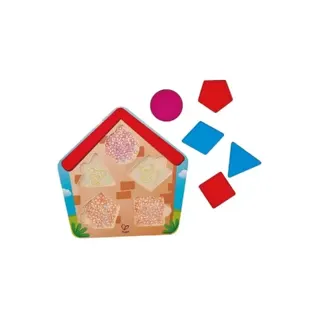 −48 %HapeWho’s in the House wooden peg puzzle – Hape65 DH
instead of 125 DHView product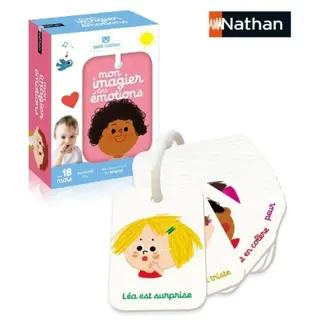 −48 %NathanTake-anywhere emotions picture book – Nathan75 DH
instead of 145 DHView product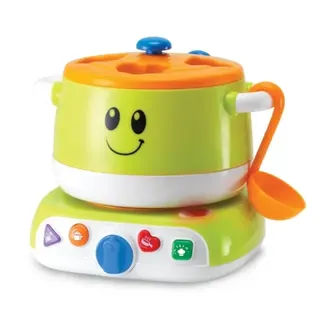 −48 %WinFun3-in-1 magic cooking pot – WinFun112 DH
instead of 215 DHView product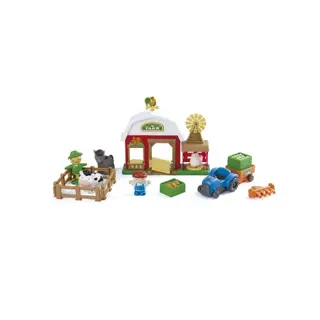 −48 %EurekakidsHappy Farm interactive set – Eurekakids156 DH
instead of 300 DHView product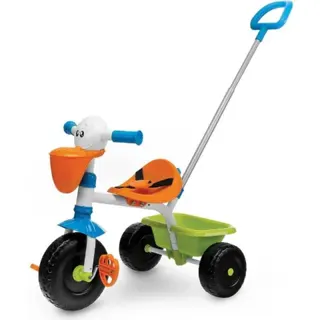 −48 %ChiccoPelican tricycle – Chicco411 DH
instead of 790 DHView product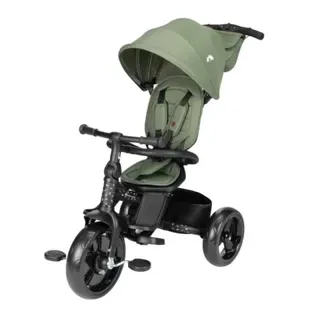 −9 %Bebe ConfortWindy 2-in-1 convertible tricycle, Mineral Green – Bébé Confort1 629 DH
instead of 1 790 DHView product- The whole aisle · Pretend play71 products online, delivered anywhere in Morocco.Open the aisle
Products sold by La Maison du Bébé, publisher of this magazine. Prices as of 12 October 2026; please check the product page.
How many hours does a 2-year-old sleep?
Between 11 and 14 hours per 24 hours, naps included, according to the WHO and the CDC. The WHO stresses regular bedtimes and wake-up times, and the CDC stable routines for sleep as for meals, with a calm bedtime ritual.
In Morocco, summer evenings, family celebrations and Ramadan nights often upset this rhythm. Our article on sleep needs from 0 to 3 offers milestones adapted to late bedtimes.
Should potty training start at age 2?
Not necessarily. The CDC points out that most children cannot be dry before 2 to 3, and that starting too early creates stress and setbacks. The CPS places interest in the potty between 2 and 4 for most children.
The good signs: they stay dry for several hours, they can say they need to go, they take an interest in the potty and want to do it themselves. The gentle method, the equipment and the question of nights are detailed in our guide to potty training.
At nursery: playing beside others, then with them
At age 2, the CPS describes a child who is happy to be with other children and copies them, but mostly plays beside them. Around 30 months, the CDC sees them playing near others, and sometimes with them. Lending a toy is still being learned.
The CDC advises staying alert during these shared moments and showing them how to lend, wait their turn and say in words what they want. If you are looking for childcare, our advice on choosing a nursery and on making settling in work will guide you.
When should you see a doctor?
A doubt should be raised with the doctor without waiting for the next visit. The CDC sums it up: you know your child better than anyone. The paediatrician or the health centre doctor will examine them and refer them, if needed, for a fuller assessment or to a specialist.
Frequently asked questions
How much screen time for a 2-year-old?
As little as possible. The WHO sets a maximum of one hour a day of sedentary screen time at age 2, adding that less is better. The CDC adds a condition: a children’s programme, watched with an adult. Switch the television off during meals. Speech therapists in Neuchâtel warn that before age 4, daily screen viewing clearly raises the risk of language delay.
My 2-year-old eats very little. Should I worry?
Not necessarily. The CDC sums up the division of roles: you offer healthy foods, your child decides whether to eat and how much. Avoid forcing them or replacing a refused dish with a biscuit, and keep family meals, without screens. The doctor tracks their growth at every visit: if their weight stalls or they seem tired, see a doctor without waiting for the next appointment.
Does a 2-year-old still need a nap?
Most of the time, yes. The WHO counts 11 to 14 hours of sleep per 24 hours between ages 1 and 2, naps included, with regular bedtimes and wake-up times. The afternoon nap is therefore part of that total. Between 3 and 4, the need drops to 10 to 13 hours, and the nap becomes optional for some children.
How can I keep a 2-year-old busy without screens while I cook?
By involving them in what you are doing. The CDC suggests letting them pretend to cook with safe kitchen objects: pots, wooden spoons, empty boxes. They can also carry cups to the table or put out napkins. Keep them in your line of sight, away from the hob and the oven, and thank them for their help.
Sources
- Milestones by 2 YearsCenters for Disease Control and Prevention (CDC), Learn the Signs. Act Early. · États-Unis
- Milestones by 30 MonthsCenters for Disease Control and Prevention (CDC), Learn the Signs. Act Early. · États-Unis
- Le développement de votre enfant : À quoi vous attendreSoins de nos enfants, Société canadienne de pédiatrie · Canada
- Livret d'observations partagées Parents & Professionnels de la petite enfance (Repérer et guider)Délégation interministérielle à la stratégie nationale pour l'autisme au sein des TND et Cnaf · France
- 3, 2, 1… Parlez ! Développement du langage : points de repère et signaux d'alerteCentre d'orthophonie de Neuchâtel · Suisse
- To grow up healthy, children need to sit less and play moreOrganisation mondiale de la santé (OMS) · International
- The Development of Independence in the First 3 Years of LifeAssociation Montessori Internationale (AMI) · International
- L'apprentissage de la propretéSoins de nos enfants, Société canadienne de pédiatrie · Canada