










Article contents
Key points
- The bond with baby is not always instant: it is built by looking after them.
- Skin-to-skin, nappies, bath, rocking: dad can do everything except breastfeed.
- Paternity leave: 3 paid days in the private sector, within the month; 15 days for civil servants.
- A father's support helps mum breastfeed, and for longer.
- More than one father in ten has depressive symptoms after the birth: talk about it.
You waited in the maternity corridor, or held your wife's hand. And now this tiny three-kilo person is sleeping against her, and you wonder where to begin. The road to becoming a dad often starts with that feeling of being moved and a little off to the side at the same time. You will build your place by getting your hands busy from the very first days.
Here is what the law says about paternity leave in Morocco, the practical ways to care for baby, how to support mum, including with breastfeeding, and how to look after yourself.
Becoming a dad: a bond that is built
Love at first sight is not always instant, and that is fine. The Quebec fact sheet on fatherhood, aimed at perinatal professionals, reports that some fathers are surprised not to feel an instant bond after the birth, and that others do not know how to help with care or breastfeeding. Many also keep their worries to themselves, to protect their partner.
The bond is woven by looking after baby. Naître et grandir advises throwing yourself in from the start, even if you are not at ease: each small success strengthens your sense of competence, and the wish to continue. According to the Quebec fact sheet, fathers who take an active part in care from the first month gain confidence, which supports their involvement with the child at one year. Naître et grandir also advises mothers to value dad's good moments: criticism risks pushing him to withdraw.
Baby gains too. Naître et grandir cites studies in which children aged 2 to 5 with a present and engaged father have above-average intellectual development, and are said to show fewer signs of anxiety and depression. A father who responds quickly and consistently to crying builds a solid attachment.

Paternity leave in Morocco: what the law says
It is short, so it is worth using well. The rules, according to the site Démarches Maroc:
| Your status | Length | Good to know |
|---|---|---|
| Private-sector employee | 3 paid days (Labour Code, art. 269) | To be taken within the month after the birth. The employer pays the salary and is reimbursed by the CNSS, up to a ceiling; the file is submitted within 6 months. |
| Civil servant in government administrations | 15 paid days (law no. 30-22, since July 2022) | In one go or in several, depending on the needs of the service; tell your manager and provide a copy of the birth certificate. |
Three days go quickly, between the maternity unit, coming home and the paperwork. If you can, add annual leave days, to be negotiated with your employer, so you are there in the first weeks while mum recovers. These days also serve for formalities, such as the birth declaration, due within 30 days. The detail of both parents' rights is in our article on maternity and paternity leave in Morocco.
Skin-to-skin with dad, step by step
It is one of a father's finest gestures, and a useful one. Naître et grandir says its benefits are the same with the father as with the mother: steadier temperature, a calmer heart, much less crying. In one study, babies in skin-to-skin with their father stopped crying within 15 minutes. Fathers who do it tend to look after their baby more, talk to them more and have a better relationship with their partner. After a caesarean, when mum cannot do it, dad can take over.
The method, according to Naître et grandir:
- Sit bare-chested and place baby, in a nappy, directly against your chest.
- Their face always stays visible, nose and mouth clear, chin slightly raised.
- Their head is turned to the side, the neck neither bent forward nor tipped back.
- Their legs are tucked up, their back covered with a blanket.
- If you feel yourself dozing off, lay them on their back in their cot, or hand them to an awake adult.
At home, the same guide suggests one to two hours of skin-to-skin a day until baby is 6 weeks old.
Nappies, bath, rocking: everyday gestures
Everything mum does, you can do, except breastfeed. Naître et grandir lists the gestures that count: changing nappies, rocking, talking, singing, taking baby out in the pushchair or carrier, giving a bath or a massage. A few pointers to get started:
- nappy changes: get everything ready first, and never let go of baby on the changing table; our article on changing baby's nappy step by step details the technique;
- bath and care: eyes, nose, nails, skin folds, water temperature, all in our advice on newborn washing;
- crying: rock, walk, speak softly; our guide to decoding baby's cries helps you understand what baby is asking;
- walks: in a baby carrier, baby against you, mum gets to rest.
From the shop
Gear that helps dad take over
Nothing essential, but enough to look after baby easily: an ergonomic baby carrier for walks, a stable bath, a changing station at a good height and a backpack changing bag that leaves your hands free.
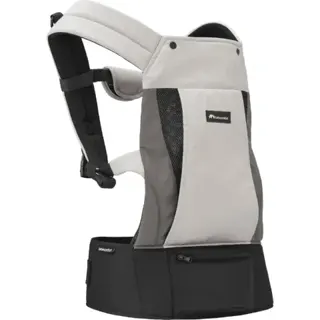 Bebe ConfortPhysionest ergonomic baby carrier, Gray Mist – Bébé Confort990 DHView product
 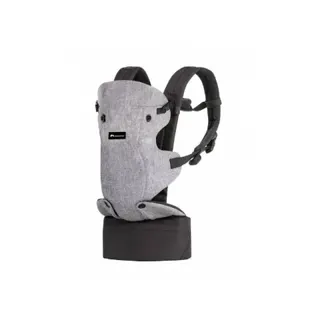 −22 %Bebe ConfortGO4 4-position convertible baby carrier, Black – Bébé Confort537 DH
instead of 690 DHView product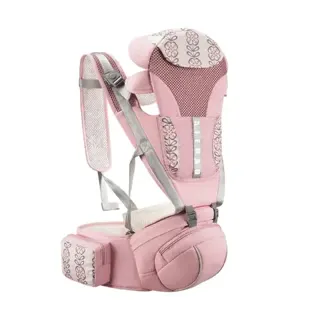 −40 %AiebaoBaby carrier, birth to 15 kg, pink – Aiebao290 DH
instead of 480 DHView product −35 %BadabulleConvertible baby bathtub – Badabulle254 DH
instead of 390 DHView product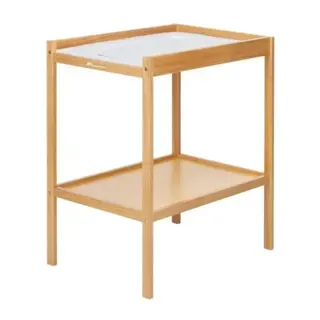 −9 %Bebe ConfortDaisy wooden changing table with changing mat – Bébé Confort1 229 DH
instead of 1 350 DHView product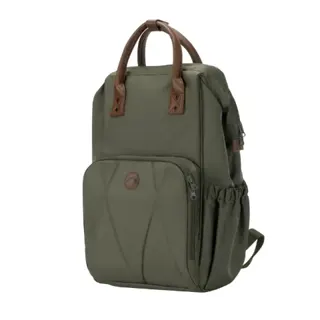 −9 %Bebe ConfortChanging backpack, Mineral Green – Bébé Confort537 DH
instead of 590 DHView product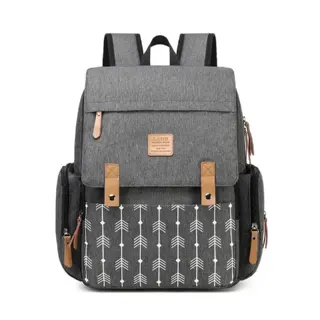 −49 %LandArrow maternity changing bag, grey – Land228 DH
instead of 450 DHView product- The whole aisle · Baby carriers6 products online, delivered anywhere in Morocco.Open the aisle
Products sold by La Maison du Bébé, publisher of this magazine. Prices as of 12 October 2026; please check the product page.
Nights: taking turns to hold out
Broken nights exhaust both parents. Naître et grandir advises taking turns: one gets up, fetches baby, changes and resettles them while the other sleeps. If baby is breastfed, bring them to mum for the feed and take care of the rest; milk expressed in advance also lets you give a feed on some nights. Baby sleeps on the back, in their own cot, close to you: the rules are in our article on safe sleep for baby.
Crying often increases from the second week, peaks around six weeks and eases around three or four months, reminds the INSPQ; some babies cry for more than three hours a day. If tiredness and frustration rise, put baby down in their cot, close the door and step away for a few minutes, checking on them every ten minutes. You never shake a baby: it can seriously injure them, even kill them.
Supporting mum, including with breastfeeding
Your role matters to her too. Naître et grandir notes that mothers supported by their partner are less stressed, less depressed, more patient and available with baby. Protect her rest: short visits, prepared meals, older children looked after.
For breastfeeding, your presence makes a difference: a father's presence and support encourage the mother to breastfeed, and to do so for longer, according to the same guide. Fathers interviewed by Quebec researcher Francine de Montigny say they struggle to find their place in decisions about feeding baby. Take it: read up together, for example with our article on getting breastfeeding off to a good start, help her get settled, massage, rock, comfort, and if a breast pump is needed, it is often dad who handles it.
And you, dad?
Tiredness, doubts and the feeling of being a bit in the way are common. They can go further: according to the Assurance Maladie, more than 10% of fathers have depressive symptoms in the two months after the birth, especially when their partner is depressed herself. Our article on baby blues and postnatal depression helps recognise the signs in either of you.
Talk about what you are going through with your wife, a friend, other fathers. Sharing tasks and the couple each have their own article: the mental load of mothers and life as a couple after baby.
Frequently asked questions
How many days of paternity leave in Morocco in 2026?
In the private sector, the Labour Code grants 3 paid days on the occasion of the birth, to be taken within the following month. The employer pays the salary, then is reimbursed by the CNSS up to a ceiling. Civil servants in government administrations are entitled to 15 paid days under law no. 30-22 of 2022, taken in one go or in several, depending on the needs of the service.
Can dad do skin-to-skin from birth?
Yes. Naître et grandir says the benefits are the same with the father as with the mother, and that the father can stand in if she cannot, after a caesarean for example. Bare chest, baby in a nappy against it, face clearly visible, back covered with a blanket. If he feels himself falling asleep, he lays baby on the back in their cot or hands them to an awake adult.
How can I help when baby is breastfed?
By doing everything else. Bringing baby for the feed, settling mum, changing baby, rocking, massaging, skin-to-skin, going for walks: Naître et grandir reminds us that a father's presence and support encourage the mother to breastfeed, and to do so for longer. Protecting her rest, filtering visitors and preparing meals count just as much.
I do not feel attached to my baby yet: is it serious?
No, it is common. The Quebec fact sheet on fatherhood reports that some fathers are surprised not to feel an immediate bond after the birth. Attachment is built through care: changing, rocking, talking to baby, skin-to-skin. Taking an active part from the first month strengthens a father's confidence, according to the same sheet. If distress sets in, talk to a doctor.
Sources
- Congé de paternité au MarocDémarches Maroc (updated 17 February 2026) · Morocco
- Devenir pèreNaître et grandir · Canada (Quebec)
- Le contact peau à peauNaître et grandir · Canada (Quebec)
- Allaitement : valoriser le rôle des pèresNaître et grandir · Canada (Quebec)
- Manque de sommeil chez les nouveaux parentsNaître et grandir · Canada (Quebec)
- Paternité : fiche complèteInstitut national de santé publique du Québec (INSPQ), Information périnatale · Canada (Quebec)
- Les pleursMieux vivre avec notre enfant, INSPQ · Canada (Quebec)
- Après l'accouchement : baby blues et dépression du post-partumAssurance Maladie (ameli.fr) · France