








Article contents
Key points
- Ages 3 to 5: 10 to 13 hours of sleep per 24 hours, nap included.
- No screens for at least an hour before bed, and none in the bedroom.
- A routine of about 15 minutes, always in the same order, announced in advance.
- Gentle but firm: walk them back to bed without negotiating or scolding.
- Loud, regular snoring or pauses in breathing: see a doctor.
9:30 pm. Third glass of water, second trip to the toilet, a story that is "really the last one". Your 3-year-old comes out of their room for the fifth time, and you can feel your patience wearing thin. A child who won't sleep is one of the most common difficulties between ages 2 and 6: according to the French site Santé.fr, 20 to 30% of children under 6 have sleep problems.
The good news: in the vast majority of cases it is not a serious disorder, but a rhythm or a routine to adjust. You still need to find the real cause, because resistance at bedtime sometimes hides another one.
How much sleep does a child aged 2 to 6 need?
Less than a baby, but more than you might think. The WHO and the American Academy of Sleep Medicine, as relayed by the Canadian Paediatric Society, give these guidelines per 24 hours, nap included:
| Age | Recommended sleep per 24 h | Nap |
|---|---|---|
| 1 to 2 years | 11 to 14 hours | often one afternoon nap |
| 3 to 5 years | 10 to 13 hours | possible; most keep it until age 4 or 5 |
| 6 to 12 years | 9 to 12 hours | not specified by these sources |
These figures are ranges: some children are light sleepers, others heavy sleepers. A child who wakes in a good mood and gets through the day without collapsing probably sleeps enough. For younger ones, our article on sleep needs from 0 to 3 years details the guidelines.

Why your child refuses to go to bed
Naître et grandir and Santé.fr list several families of causes. Often, several combine.
- Bedtime falls at the wrong time. Too early, and your child is not sleepy. Too late, and they pass the peak of tiredness and become overexcited, aggressive or tearful.
- The nap is too late or too long. The Canadian Paediatric Society advises avoiding naps late in the afternoon. Our article on naps helps you place them.
- Evening screens. Studies show that too much screen time harms sleep, Naître et grandir points out.
- A day that is too sedentary: little outdoor play, little daylight, dinner eaten just before bed.
- A need for attention that was not met during the day. Bedtime becomes the moment to hold on to mum or dad.
- Refusal that has become a game: every exit from the bedroom triggers a reaction, and your child starts over.
- A worry: fear of the dark or of monsters, separation anxiety, a move, the start of school, a new baby, parents separating.
- A physical cause: teething, fever, blocked nose, digestive troubles, asthma, or a breathing problem during sleep.
In Morocco, summer evenings, late family dinners and Ramadan nights also push bedtimes later. Nothing is forbidden now and then, but the WHO points out the value of regular bedtimes and waking times.
Screens: the first thing to change
Switch off all screens at least an hour before bedtime, recommend the American Academy of Pediatrics and Naître et grandir. Television, tablets and phones do not belong in the bedroom, adds the Canadian Paediatric Society. The cartoon "to calm them down" often has the opposite effect.
The WHO recommends at most one hour of screen time a day between ages 2 and 4, and less is better. Our article on screens and young children details these guidelines and suggests alternatives.
A short, predictable routine, always in the same order
A good routine prepares for separation. Naître et grandir recommends that it lasts about 15 minutes, with the same calm gestures every evening. The American Academy of Pediatrics sums up the idea in three steps: brush teeth, read a book, go to bed.
- Warn them in advance: "After your bath, it's story time and bed." A child who knows what is coming resists less.
- Check they are neither hungry nor thirsty before you begin.
- Always go in the same order: wash, pyjamas, teeth, story, cuddle, lights out.
- Set the limits in advance, such as the number of books, advises the Canadian Paediatric Society. Two stories means two stories.
- End with a ritual phrase, always the same, then leave.
Start the routine before tiredness spills over: yawning, red eyes or, on the contrary, sudden restlessness. The main principles of the bedtime ritual apply from early childhood.
They keep getting up: setting limits kindly
The Canadian Paediatric Society sums up the attitude to adopt: gentle but firm. When your child comes out of their room, walk them back to bed calmly, with few words and the same phrase. No argument, no extra story, no screen to negotiate. If every exit triggers a long discussion, the game goes on.
For a child who needs reassurance, Naître et grandir suggests telling them they can sleep peacefully because you are very close by, in the living room. Santé.fr insists on a routine without a prolonged adult presence in the bedroom and on the habit of sleeping in their own bed. And the bed must never be used as a punishment.
Fear of the dark: reassuring without feeding the fear
Fear of the dark and of monsters is among the common fears at this age, notes Naître et grandir. Take it seriously without amplifying it. The Quebec site advises against offering to "chase the monsters" out of the bedroom: simple, reassuring words are better, along with reminding your child that you are very close.
A transitional object, a doudou or soft toy, can help, notes the Canadian Paediatric Society. A night light or projector with a soft glow also lets your child recognise their room if they open their eyes. Choose a low light, one that does not turn the bedroom into a playroom. If tearful wakings keep happening in the night, our article on nightmares and night terrors helps you tell the difference.
From the shop
For a reassuring bedtime
A soft-light night light for a child afraid of the dark, a doudou or soft toy that marks bedtime: small landmarks, no screens.
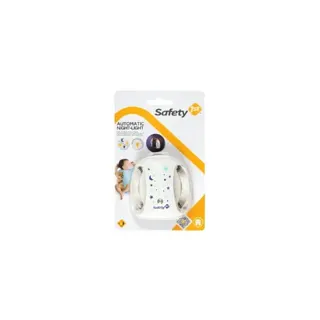 −35 %Safety 1stArctic automatic night light – Safety 1st150 DH
instead of 230 DHView product −61 %BadabulleLily the Sheep portable night light lamp, pink – Badabulle215 DH
instead of 550 DHView product −42 %ChiccoNext2 Stars projector, neutral beige – Chicco380 DH
instead of 650 DHView product −9 %BabymoovSqueezy night light, pink – Babymoov410 DH
instead of 450 DHView product −9 %DoomooYou&Me comforter with reversible head, Green – Doomoo255 DH
instead of 280 DHView product −48 %Doudou et CompagnieYoca the Koala pyjama-holder plush – Doudou et Compagnie504 DH
instead of 970 DHView product- The whole aisle · Night lights and projectors5 products online, delivered anywhere in Morocco.Open the aisle
Products sold by La Maison du Bébé, publisher of this magazine. Prices as of 12 October 2026; please check the product page.
Snoring, sleep apnoea: the signs that call for a doctor
Sometimes a child sleeps badly because they breathe badly. The Mayo Clinic describes the signs of obstructive sleep apnoea in children: loud snoring with pauses in breathing, restless sleep, mouth breathing, night sweats, and bedwetting that returns after a long dry period. In the daytime, they may have morning headaches, be sleepy, restless, impulsive or struggle to concentrate.
The most common cause in young children is the size of the tonsils and adenoids. The Canadian Paediatric Society reminds us: a child who snores loudly and regularly should be seen by a doctor. And if bedwetting worries you, see our article on bedwetting.
Frequently asked questions
What time should a 3-year-old go to bed?
There is no universal time: you start from the waking-up time. A child aged 3 to 5 needs 10 to 13 hours of sleep per 24 hours, nap included. If they get up at 7 am and nap for an hour, a bedtime between 7:30 and 8:30 pm often works. What matters most is regularity, weekends included, as the WHO and the American Academy of Pediatrics recommend.
Should I drop the nap if my child won't fall asleep in the evening?
Not too quickly. Naître et grandir points out that most children nap in the afternoon until age 4 or 5, and that missing sleep often makes a child more wound up at bedtime. Start by moving a late nap earlier or shortening it, as the Canadian Paediatric Society advises. If your child truly can no longer sleep in the afternoon, replace it with some quiet time.
My 4-year-old wants to sleep in our bed: what can I do?
First decide together what suits you. If you want your child to sleep in their own bed, the French site Santé.fr advises a routine that prepares for separation and the habit of sleeping in their own bed. Walk them back calmly each time, with the same phrase, and reassure them during the day. A recent sibling or a change can explain this need for closeness: it often passes with time.
Does a night light help a child who is afraid of the dark?
Often, yes. Choose a low light that lets your child recognise the room without lighting it up like broad daylight, and avoid bright screens. Reassure them with simple words and remind them you are very close by. Naître et grandir does advise against offering to chase the monsters out of their bedroom.
Sources
- Le sommeil: aider son enfant à s'endormirNaître et grandir · Canada (Quebec)
- De saines habitudes de sommeil pour votre bébé et votre enfantSociété canadienne de pédiatrie, Soins de nos enfants · Canada
- Troubles du sommeil chez l'enfantSanté.fr, Service public d'information en santé · France
- Healthy Sleep Habits: How Many Hours Does Your Child Need?American Academy of Pediatrics (HealthyChildren.org) · United States
- Pediatric obstructive sleep apnea: Symptoms and causesMayo Clinic · United States
- To grow up healthy, children need to sit less and play more (24 avril 2019)Organisation mondiale de la santé (OMS) · International