






Article contents
Key points
- Around 4 months: 3 naps; from 6 to 12 months: 2 naps, until about 18 months.
- Between 2 and 3 years, a single afternoon nap, often kept until 4 or 5.
- A nap lasts between 30 minutes and 2 hours: a short nap is not a problem in itself.
- For naps, a little light helps your baby tell day from night.
- Asleep in the pushchair, car or swing? Lay them on their back, flat, afterwards.
It is 2 pm, the family lunch drags on and your baby, already yawning at the table, ends up falling asleep on their aunt's shoulder. Should you lay them down, leave them, wake them to keep their rhythm? The baby nap raises plenty of questions, because everything changes fast: the number of naps, their length, their timing.
Good news: the guidelines are fairly simple, and health sources agree on the essentials. Here is what you need to know, from birth to the end of naps, around 4 or 5 years.
How many naps at each age?
The number of naps falls as night sleep gets longer. According to the Canadian Paediatric Society (CPS), Naître et grandir and the Réseau Morphée:
| Age | Naps per day | Good to know |
|---|---|---|
| 0 to 3 months | No fixed rhythm | A newborn sleeps up to 18 hours a day, in stretches of 3 to 4 hours (CPS) |
| Around 4 months | 3 naps: morning, afternoon, end of day | The Réseau Morphée describes the same rhythm from 4 months |
| 6 to 12 months | Moving from 3 to 2 naps, morning and afternoon | Each lasts between 30 minutes and 2 hours (Naître et grandir) |
| 12 to 18 months | Most often 2 naps | Around 18 months it varies: morning, afternoon, or both (Réseau Morphée) |
| 2 to 3 years | 1 nap, in the afternoon | About 2 hours according to the Réseau Morphée; avoid naps that are too late (CPS) |
| 3 to 5 years | 1 nap, then none at all | Some stop around 3 (CPS), most keep it until 4 or 5 (Naître et grandir) |
These figures are averages. The durations given by the sources also vary: the Réseau Morphée counts 2 to 3 hours of morning nap at 6 months, while the CPS stresses that length varies a lot from baby to baby. For total sleep needs over 24 hours, see our article on baby sleep by age.

When should you put your baby down for a nap?
When they show signs of tiredness. The Réseau Morphée advises putting them in their cot at the first signals: rubbed eyes, staring into space. Naître et grandir adds yawning, heavy eyelids, needing to snuggle against you and, around 6 to 12 months, losing interest in their toys.
In a toddler aged 1 to 3, tiredness is disguised: reddening eyes, overexcitement, aggression, crying. Naître et grandir warns that a child put down when these signs are already well established may be too exhausted to fall asleep easily.
And "wake windows", those tables of awake times by age widely shared on social media? The guidance consulted for this article (CPS, AAP, NHS, Naître et grandir, Réseau Morphée) does not give any: it relies on observing the child. A simple method: note for a few days the time of the first yawns, and you will see their rhythm emerge.
Two principles complete these signals. The Réseau Morphée recommends naps at regular times, in the same conditions. And the CPS reminds us that depriving a newborn of daytime sleep does not improve their nights.
Short naps: is 30 minutes enough?
Often, yes. A nap lasts between 30 minutes and 2 hours, says Naître et grandir. The same site notes that a sleep cycle lasts 50 to 60 minutes in a newborn, and 60 to 75 minutes between 3 and 6 months: a nap of a little under an hour therefore corresponds to a single cycle, at the end of which your baby may wake. If they wake smiling and stay in a good mood, that nap was enough.
If they wake grumpy, there are several options:
- Give them a chance to fall back asleep. When a baby does not feel like sleeping, the Réseau Morphée advises leaving them a while in their cot to find sleep, but picking them up if they keep crying and carrying on with the day.
- Do not push it. Naître et grandir suggests moving on to something else after 15 to 20 minutes of unsuccessful trying, and trying again later.
- Bring the next nap forward, at the first signs of tiredness.
- Bring the evening bedtime forward a little after a day of cut-short naps. The CPS notes that a child who has not slept enough in the day can become irritable and have trouble staying asleep at night.
A quiet spot helps, but you do not need absolute silence: the NHS advises not worrying too much about everyday noises during daytime naps.
Where to nap: cot, pushchair, arms?
The cot remains the best place, but not the only one. Naître et grandir points out that a nap can perfectly well happen outside the cot, and that many babies fall asleep in the pushchair or the car. Safety rules apply to every sleep, naps included:
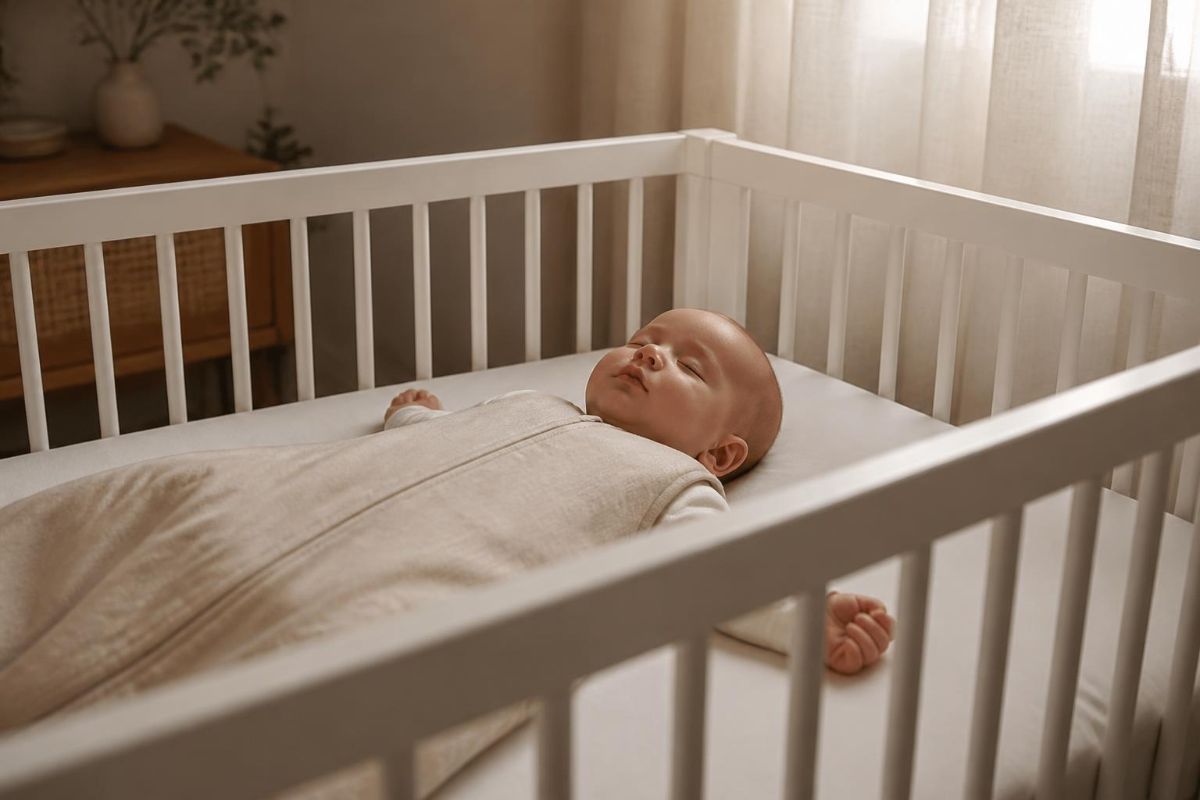
- On the back, flat. Once you are home, lay your sleeping baby in their cot: they are safer on a flat surface, insists Naître et grandir.
- In the pushchair, the INSPQ reminds us that a baby is safer and more comfortable sleeping lying on their back, in the carrycot or with the backrest fully reclined.
- In the car, check that their head does not fall forward. The CPS explains that in a sitting position a baby's head can tip and interfere with breathing.
- In a car seat, pushchair or swing, the American Academy of Pediatrics (AAP) asks that you move them as soon as possible to a firm surface, on their back. A baby bouncer can soothe an awake baby, under your eyes; it is not a place for naps.
- No banquette or sofa. With their soft cushions, they are no substitute for a firm, empty bed. At family homes, a travel cot with its own mattress only will do.
For light, the Réseau Morphée advises against complete darkness during naps, so that your baby can tell day from night. In summer, half-closed shutters keep the room cooler without plunging it into darkness. The other rules, from the mattress to the items to take out of the cot, are in our article on safe sleep.
From the shop
For calm naps, at home and elsewhere
A well-fitted sheet for their bed, a mobile for the nap routine, a travel cot for naps at family homes and a baby monitor if your baby sleeps far from you: choose according to your daily life.
 −74 %BabiduFitted sheet, 60 x 120 cm, white – Babidu65 DH
instead of 250 DHView product −48 %SaroWinter Friends musical mobile, yellow – Saro312 DH
instead of 600 DHView product −9 %Tiny LoveTake Along 3-in-1 portable musical mobile, Born to Party – Tiny Love328 DH
instead of 360 DHView product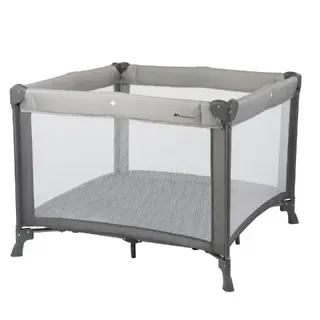 −46 %Bebe ConfortTravel playpen cot, Gray Mist – Bébé Confort857 DH
instead of 1 590 DHView product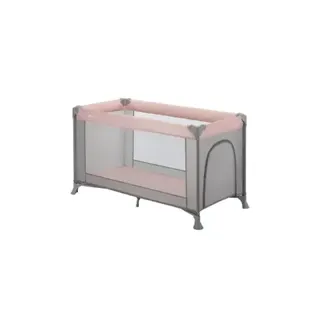 −9 %Bebe ConfortSweet Dreams travel cot, Pink – Bébé Confort1 083 DH
instead of 1 190 DHView product −46 %BabymoovYOO-Travel video baby monitor – Babymoov1 394 DH
instead of 2 590 DHView product- The whole aisle · Night lights and mobiles21 products online, delivered anywhere in Morocco.Open the aisle
Products sold by La Maison du Bébé, publisher of this magazine. Prices as of 12 October 2026; please check the product page.
My baby won't nap: what can I do?
First, check the timing. Put down before they are sleepy, a baby protests; put down too late, they may be too exhausted to fall asleep easily, warns Naître et grandir. Go back to their signs of tiredness, and keep a small nap routine, shorter than the evening one: a song, curtains half drawn, the same bed. Our ideas are in the article on the routine for getting a baby to sleep.
Next, look at the transitions. Between 6 and 12 months, your baby goes from 3 naps to 2; around 18 months the Réseau Morphée describes a "variable" rhythm, with a nap in the morning, the afternoon or both. Refusing one of them is often part of these passages: it is time to adjust their rhythm, not a sign that they sleep badly.
Finally, do not drop the nap too early. Naître et grandir reminds us that most toddlers need it until 4 or 5, and that lack of sleep can cause restlessness, then an even harder bedtime in the evening. Before stopping it, watch their mood at the end of the day.
Nursery, grandparents, summer: keeping a rhythm without being locked into it
At nursery, the organisation of the day is not the same as at home: ask how naps go, and tell the staff about their habits: their signs of tiredness, their sleeping bag, how they fall asleep, their comfort toy if they are over a year old. For the first weeks, plan a slightly earlier bedtime in the evening. Our article on settling in at nursery details this period.
At the grandparents', the rhythm often loosens, and that is fine from time to time. In summer, between scorching afternoons and evenings that run late, keep the nap even when the household rhythm changes. Dress your baby lightly, lay them in the coolest room and see our guidelines for dressing them according to the temperature.
If nights stay restless despite regular naps, our article on night wakings can help you sort it out.
Frequently asked questions
Should I wake my baby after a very long nap?
During the first four months it is better not to wake a sleeping baby, according to the Réseau Morphée, unless the maternity unit or your paediatrician says otherwise. In toddlers, the Canadian Paediatric Society mainly advises avoiding naps that are too late, which can get in the way of falling asleep in the evening: you can then gently shorten the late-afternoon one.
My baby only naps in my arms: is that serious?
No. Naître et grandir points out that a nap can perfectly well happen outside the cot. The only limit is safety: if you feel you are about to fall asleep too, especially on a sofa or banquette, lay them in their cot first, on their back. To get them used to their bed gradually, try putting them there for one nap a day.
Do naps need to be in total darkness?
Not necessarily. The Réseau Morphée advises avoiding complete darkness: a little light helps your baby tell a nap from night sleep. Naître et grandir suggests a compromise for a baby who struggles to fall asleep: settle them in dim light, then open the curtains once they are asleep. In summer, half-closed shutters also protect against the heat.
My 3-year-old no longer wants a nap: should I insist?
You cannot force a child to sleep, but do not give up too quickly. Naître et grandir reminds us that most children still nap until 4 or 5, and that lack of sleep can make bedtime harder. Watch their signs of tiredness at the end of the day: if they are exhausted, a quiet moment in bed after lunch is still useful.
Sources
- Le sommeil de bébéNaître et grandir · Canada (Québec)
- Le sommeil: aider son enfant à s'endormirNaître et grandir · Canada (Québec)
- De saines habitudes de sommeil pour votre bébé et votre enfantCaring for Kids, Canadian Paediatric Society · Canada
- Dormir en toute sécuritéCaring for Kids, Canadian Paediatric Society · Canada
- Les bonnes pratiques pour préserver le sommeil du bébéSanté.fr (Réseau Morphée content) · France
- Helping your baby to sleepNHS · United Kingdom
- How to Keep Your Sleeping Baby Safe: AAP Policy ExplainedHealthyChildren.org, American Academy of Pediatrics (AAP) · United States
- Dormir en sécuritéMieux vivre avec notre enfant, INSPQ · Canada (Québec)