









Article contents
Key points
- Pointing is learned between 9 and 12 months: answer by naming what he shows you.
- Cruising along furniture is expected in most babies by about 12 months.
- The CDC advises against baby walkers, which have been banned in Canada since 2004.
- No honey before age 1, and no whole nuts before age 5.
- TV and furniture fixed to the wall, and never alone on a balcony.
He stretches out his index finger toward the cat passing along the low wall, then turns to you to check that you saw. That little pointing finger, followed by a look, is one of the big events in the life of a 10-month-old baby. He is not talking yet, or hardly, but he is already telling you: "Look, this interests me."
Around this gesture, everything speeds up. He claps when the family applauds, waves goodbye and moves around standing, from the coffee table to the sofa. How do you support him without rushing him? The official milestones offer a few pointers.
Why the pointing finger matters so much
Pointing is learned between 9 and 12 months, according to the Quebec guide Mieux vivre. At this age the child's attention is still short, but he looks at what an adult shows or points to. The French screening chart for 12 months, drawn up by the interministerial delegation on autism and the Cnaf, indeed asks whether he looks at an object you point out.
Why so much attention to this gesture? UNICEF counts it among the signs to watch: it recommends seeing a doctor if a one-year-old does not point. At 10 months there is no hurry, but you can encourage him.
The US CDC sums it up in two instructions: show him what is interesting, and respond when he points. Name the object ("Yes, the cat! He says miaow"), wait for his reaction, then carry on.

Clapping, waving, peekaboo: he copies you
Mieux vivre describes, between 9 and 12 months, a child who increasingly imitates the gestures and actions of others, communicates by shaking his head or saying "bye bye", and babbles while accompanying his sounds with gestures. Around age 1 the CDC expects a baby who waves goodbye and plays hand games with you such as "pat-a-cake".
To feed this taste for imitation:
- Action songs, in French as in darija: our selection of nursery rhymes for babies has something for every taste.
- Narrating everyday life: tell him what you are doing as you dress him or prepare the meal, and sing during these moments, as the CDC suggests.
- Saucepans and a wooden spoon, which the CDC mentions for making noise.
- Flap or touch-and-feel books, which you read together while pointing to the pictures.
No screens, though: the CDC advises against screens before age 2, video calls aside. Video calls with family living abroad are therefore still fine.
From furniture to furniture, standing
Mieux vivre places between 9 and 12 months the time when a child starts to pull himself up and then move along furniture. The CDC only expects this cruising in most children at 1 year, and the WHO observed walking with assistance between 5.9 and 13.7 months in babies with no health problems at all. A 10-month-old who is still only pulling himself up is therefore well within the norm.
To help him, the CDC advises sturdy furniture, your hands, then stable push toys. It also recommends avoiding baby walkers, banned in Canada since 2004, as the Montreal Children's Hospital reminds us. A low ride-on toy recommended from 10 months can complement, on a flat floor. The rest of the adventure is told in our article on when baby walks.
"No": what he understands, and how to say it
Your baby understands "no" between 9 and 12 months, according to Mieux vivre, and the CDC expects him around age 1 to pause or stop when told. The CDC advises keeping this word for dangerous behaviour, said firmly, and redirecting his attention the rest of the time: another toy, another place. Show him what he can do, and praise him when he does it.
Sharing the family's dishes, with a few exceptions
Around 10 months, the UK's NHS describes a baby who has three meals a day, eats a wider variety of finger foods and holds his cup more confidently. The CDC advises varying tastes and textures, and offering a food several times before concluding he does not like it.
Sharing the family meal does not mean sharing everything. The NHS advises against added salt and salty foods, rules out honey before age 1 because of the risk of infant botulism, and whole nuts before age 5. So the almonds and walnuts of Ashura, like the honey-dipped chebakia of Ramadan, will wait. Cut round foods into small pieces, as the Montreal Children's Hospital asks for grapes.
Sleep needs are still high
The CDC estimates needs at 12 to 16 hours per 24 hours, naps included, and reminds us that regular bedtimes help. Mieux vivre notes that separation anxiety is still present between 9 and 12 months.
What he reaches when standing: tablecloth, coffee table, balcony
A baby who stands reaches new heights. The tea tray or the tagine on the low table, the tablecloth that can be pulled, the TV on a light cabinet: everything becomes accessible. The Montreal Children's Hospital asks you to keep hot drinks out of reach, to fix shelves and TVs to the wall, to fit windows with safety devices, and reminds us that a balcony is never a place to leave a child without an adult. The CDC adds: put sharp or fragile objects out of reach. For table corners, corner guards limit bumps, and our safe home checklist goes through every room.
From the shop
Toys for a baby who pulls up and explores
Toys recommended from 10 months for moving, fitting together and splashing, and two protections for table corners and stairs. Check the age and dimensions on each product page.
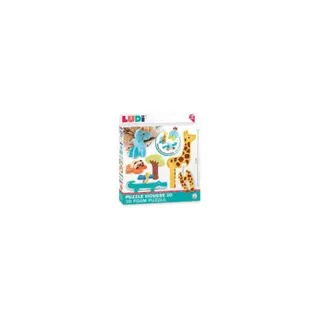 −42 %Ludi3D foam puzzle, from 10 months – Ludi73 DH
instead of 125 DHView product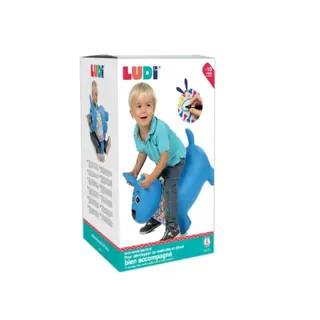 −48 %LudiMy Bouncing Dog inflatable toy, from 10 months – Ludi190 DH
instead of 365 DHView product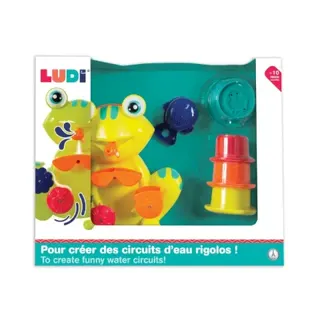 −48 %LudiFrog bath set, from 10 months – Ludi117 DH
instead of 225 DHView product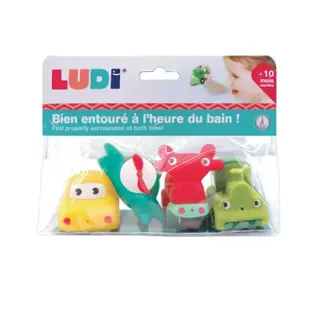 −48 %LudiTransport squirters bath toy, from 10 months – Ludi49 DH
instead of 95 DHView product −17 %Safety 1stSoft corner protectors, x4 – Safety 1st91 DH
instead of 110 DHView product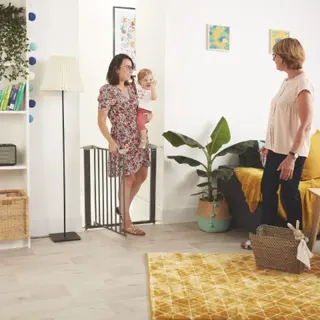 −9 %BadabulleSafe & Lock metal safety gate – Badabulle901 DH
instead of 990 DHView product- The whole aisle · Early learning25 products online, delivered anywhere in Morocco.Open the aisle
Products sold by La Maison du Bébé, publisher of this magazine. Prices as of 12 October 2026; please check the product page.
The 9-month check-up, if it has not happened
Now is the time to book it: our advice for the 9-month visit will help you prepare. Vaccine boosters are in the Moroccan national immunisation schedule. First steps for some, first words for others: that is the programme for baby at 11 months.
Frequently asked questions
My 10-month-old does not point yet. Should I worry?
Not yet. The Quebec guide Mieux vivre places learning to point between 9 and 12 months. Watch whether he looks at what you point to, and show him things yourself while naming them, as the CDC advises. UNICEF recommends seeing a doctor if, at 1 year, he still does not point.
Can a baby walker help him walk sooner?
No. The CDC advises avoiding baby walkers, and the Montreal Children's Hospital reminds us they have been banned in Canada since 2004. To practise, the CDC suggests stable furniture to hold on to, your hands, then a sturdy push toy. A low ride-on toy suited to his age can also help, on a flat floor and under your eye.
Which toy suits a 10-month-old who is pulling up?
Objects that get hands and body moving: stacking cups, a box to put cubes in and take out, saucepans and a wooden spoon for noise, lift-the-flap board books, a foam puzzle with big pieces, a stable low ride-on toy suited to his age. The CDC lists push toys and touch-and-feel books among good ideas around age one.
Can I give honey or nuts to a 10-month-old?
No honey before age 1: the UK's NHS explains it may contain bacteria that cause infant botulism. Whole nuts, such as almonds or walnuts, are not allowed before age 5 because of the choking risk. Ground or finely milled, however, they can go into his dishes from the start of solids.
Does my 10-month-old understand the word “no”?
Often, yes. Mieux vivre describes it between 9 and 12 months, and the CDC expects, around age 1, that he stops or pauses when told. Keep the word for real dangers, said firmly, advises the CDC. The rest of the time, redirect his attention to another game or move him elsewhere.
Sources
- Étapes du développement de l'enfantMieux vivre avec notre enfant de la grossesse à deux ans, INSPQ · Canada (Quebec)
- Milestones by 1 YearCenters for Disease Control and Prevention (CDC), Learn the Signs. Act Early. · United States
- Les grandes étapes du développement de votre enfant à 1 anUNICEF Parenting · International
- Livret d'observations partagées Parents & Professionnels de la petite enfance (Repérer et guider)Interministerial delegation for the national autism strategy within neurodevelopmental disorders, and Cnaf · France
- Motor development milestonesWorld Health Organization (WHO), child growth standards · International
- Bébés et bambins, 0-24 mois (Les meilleurs soins pour les blessures traumatiques)Trauma Centre, Montreal Children's Hospital · Canada (Quebec)
- Foods to avoid giving babies and young childrenNHS · United Kingdom
- Your baby's first solid foodsNHS · United Kingdom